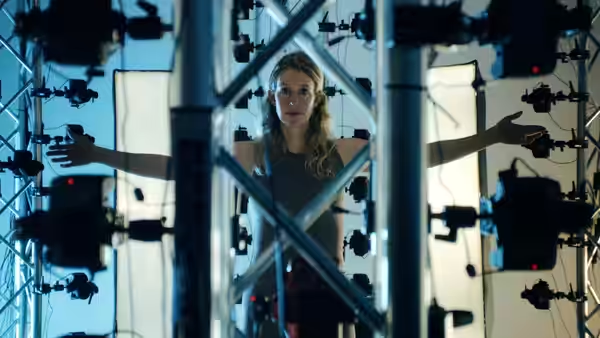
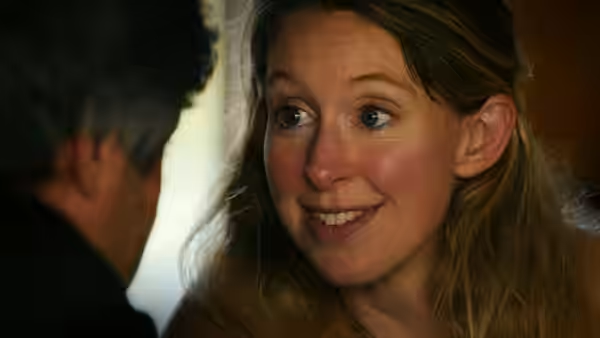
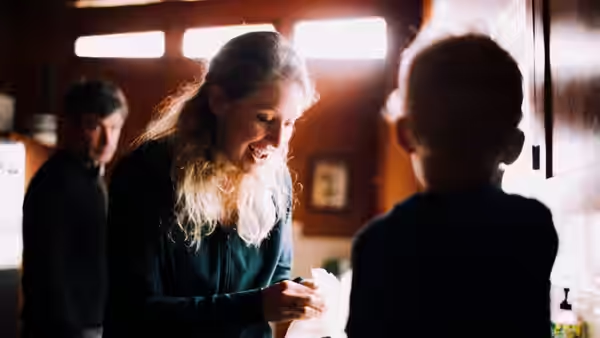
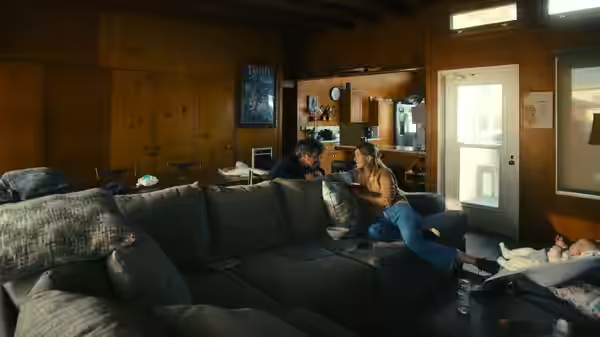
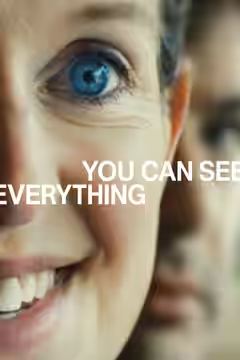
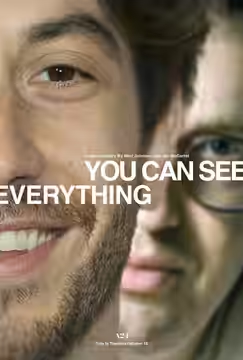
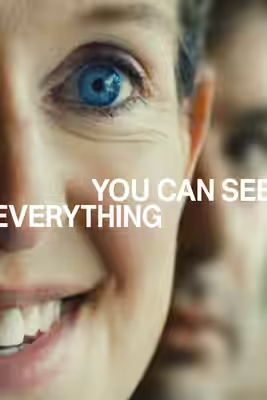
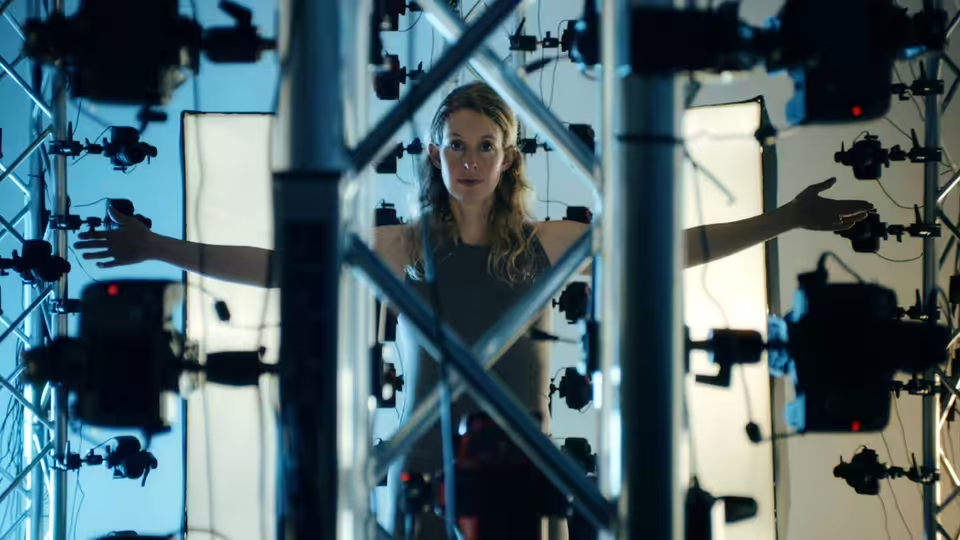
A woman stands among camera rigs with her arms extended between illuminated panels
Film review

You Can See Everything

2026 · Directed by Nathan Fielder, Lance Oppenheim · 2h 54m · MPA R

In a sentenceElizabeth Holmes meets the one interviewer in America who blinks less than she does

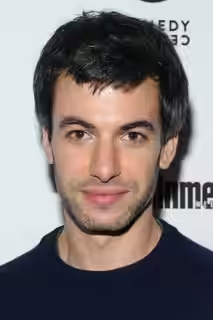
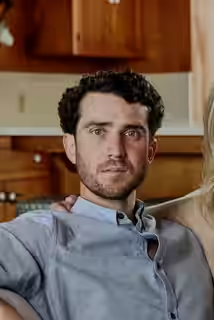
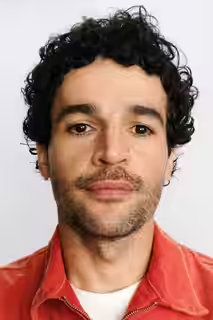
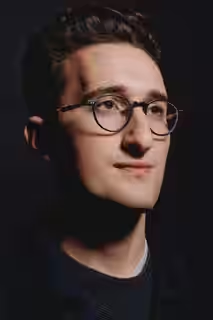
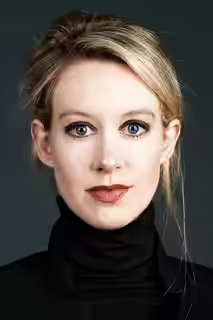
Nathan Fielder, the comedian who made The Rehearsal, sets out with co-director Lance Oppenheim to make a documentary about Elizabeth Holmes, the founder of Theranos, who was convicted of fraud in 2022. Holmes agrees to talk. So does her partner Billy Evans, who is present for a good deal of it and does not always look as if he wants to be. Fielder asks his questions in the flat, courteous tone he uses on everyone, and Holmes answers in hers, and for a while that is the film. Then the directors bring in Amanda Seyfried, who played Holmes in The Dropout, to play her again, in reconstructions built for the purpose. The couple’s children, William Holmes Evans and Invicta Holmes Evans, also appear. What the film is actually about takes some time to come clear.

Plays from YouTube when you press play; nothing loads from them until then.

Fi1m review

Nathan Fielder and Lance Oppenheim spend 174 minutes with Elizabeth Holmes and come away with a film about whether a camera can tell when it is being lied to. It is unnerving, funny and a good half-hour too long.

The question You Can See Everything sets itself is a simple one. Elizabeth Holmes persuaded a great many clever people that a machine could do something it could not, and was convicted of fraud for it in 2022. If you put a documentary camera in front of her now, what do you get: the person, or another performance? Nathan Fielder and Lance Oppenheim, who direct and produce together, decide fairly early that they cannot answer this by watching Holmes harder. So they turn the camera round and watch themselves watching her, and the film runs 174 minutes because they keep finding new ways to do it.

The first hour is the plainest and in some ways the best. Fielder sits across from Holmes and asks questions a reporter would ask, in the level, slightly apologetic voice he has used on the people in his television work for years, and Holmes answers in a voice that is just as level. Neither gives anything. We laughed, more than once, at the sheer length of the pauses, and then felt uneasy about laughing, because the pauses are the point: two people who have both made careers out of not reacting, waiting each other out. Billy Evans often sits in on the interviews, and the film is quietly alert to him. He is the one person on screen who does react, and the tension between him and Fielder gives the early scenes a pulse the interviews alone would not have.

Then Amanda Seyfried arrives. She played Holmes in The Dropout in 2022, and the directors have her play her again, in reconstructions staged on sets by Alex DiGerlando that look like the real rooms with the corners not quite right. David Bolen shoots these with a cleaner, warmer light than he gives the actual interviews, so the copy is always a little more handsome than the original, which we took to be deliberate and a joke. Seyfried is eerie in them. She has the voice and the stare, and the film cuts between her Holmes and the real one until we stopped being certain, in a couple of shots, which was which. That is the moment the film earns its title.

Adam Locke-Norton’s editing is what holds the two halves together. The first half is patient to the point of stubbornness, long takes, few cuts; the second half, which takes a turn we will not describe, moves faster and starts to fold earlier scenes back in, so that things we watched as plain documentary come round again looking staged. Ari Balouzian’s score helps here: a thin, repeating figure that sounds almost like a tuning note, and that we only noticed had been there all along when it stopped.

The cost of all this is length. There is a stretch after the Seyfried material has been established and before the last movement begins where the film is restating its idea rather than developing it, and we were bored, and then faintly cross about being bored by a film this clever. Fielder and Oppenheim have different instincts: Oppenheim, who made Some Kind of Heaven, likes to let a scene sit and get beautiful; Fielder likes to interrupt it. For most of the running time the two pull in a useful direction. For perhaps thirty minutes in the middle they simply pull. A tighter cut would have lost nothing we could name.

The reviews so far put it a little under 90, and the praise clusters where ours does, on the Seyfried reconstructions and the last act. We land a few points lower, and the difference is almost entirely the middle hour. It is also fair to say that Holmes herself, by the end, has slightly receded: the film becomes about Fielder’s problem with filming her rather than about her, and if you came for the woman who ran Theranos you may feel she got away again.

Still, it is a documentary that does something we have not seen done this way, and it does it with a straight face. See it with other people if you can, because the laughter around you will tell you things about the film that the film is too polite to say.
Critical consensus AI synthesised

88
Positive
18
Mixed
0
Negative
0

The reviews are unanimously positive, with praise centred on how Fielder and Oppenheim question documentary truth while keeping their encounters with Elizabeth Holmes tense, funny and unsettling. Most critics admire the filmmakers’ willingness to examine their own methods and assumptions rather than simply scrutinise their subject. Fielder’s deadpan questioning draws particular approval, while Amanda Seyfried’s performance earns praise for its emotional intensity and growing eeriness. The visual craft and open-ended approach also find strong support.

The differences concern the degree of enthusiasm rather than any outright rejection. The Playlist finds the runtime indulgent, though it considers the later stretches engrossing enough to forgive the excess. The Ringer probes ethical contradictions while remaining absorbed by the film’s intimacy. Screen Daily offers the most restrained assessment, focusing on the difficulty of capturing such an elusive subject. Across the reviews, uncertainty is generally treated as a strength rather than a failure to provide answers.

IndieWire
7 September 2026 · A · Cortlyn Kelly
95

Kelly finds the documentary boundary-pushing, absurd, and disquieting, while praising its ability to leave viewers curious even after its lengthy runtime. She singles out Fielder and Oppenheim’s unsettling, open-ended approach and the film’s craft, which balance tension with comedy.

Read the full review →
The Guardian
1 October 2026 · festival review · Adrian Horton
95*

Horton calls the documentary a thrilling, destabilizing masterpiece that lives up to the hype. She especially praises how the filmmakers’ contrasting styles turn Holmes and Fielder’s uneasy interactions into a compelling study of trust and deception.

Read the full review →
The AV Club
7 October 2026 · A- · Monica Castillo
90

Castillo calls the documentary a stunning, convention-defying reevaluation of what documentaries can do. She praises its probing approach to Holmes and the stylish visual flourishes that sharpen the tension between Fielder and Evans.

Read the full review →
The New Yorker
9 October 2026 · Richard Brody
90*

Brody finds the film fascinating, ingenious, and strangely beautiful despite its unsettling confrontations. He praises how its scrutiny of Holmes gradually turns into a searching examination of the filmmaker’s own assumptions about truth and love.

Read the full review →
Vulture
2 October 2026 · Alison Willmore
90*

Willmore calls the film astounding and ingenious, praising its probing, cinematic exploration of truth and documentary ethics. She singles out the unsettling, intimate scenes with Elizabeth Holmes and the film’s remarkable third act.

Read the full review →
Slant Magazine
7 October 2026 · ★★★½/4 · Marshall Shaffer
88

Shaffer finds the film thrilling and form-breaking, arguing that its hybrid approach rises above a conventional true-crime portrait. He praises how the filmmakers blur documentation and reenactment to explore the unstable boundary between fact and fiction.

Read the full review →

Straight answers AI written, from our review

Is You Can See Everything worth watching?
You Can See Everything is worth watching for anyone with the patience for a 174-minute documentary that turns into a film about its own filming, and we scored it 84. Nathan Fielder's interviews with Elizabeth Holmes and the Amanda Seyfried reconstructions are unnerving and funny, but the middle hour restates its idea rather than developing it. Those who came for Holmes herself may feel she slips away again.
How long is You Can See Everything, and what is it rated?
You Can See Everything runs 2h 54m and is rated R by the MPA in the US. It is a documentary film.
Where can I watch You Can See Everything in the US?
You Can See Everything is not on any streaming or rental service in the US at the moment. Availability is checked daily.
How violent or frightening is You Can See Everything, and is it suitable for children?
You Can See Everything contains no violence to speak of and is not frightening in any conventional sense; it is an interview documentary with staged reconstructions, uncertified in the UK and rated R in the US. What unsettles is the sustained, courteous staring between Fielder and Holmes rather than anything shown. Children would be bored long before they were troubled, and the fraud case is adult in interest if not in content.
How does You Can See Everything compare to Close-Up?
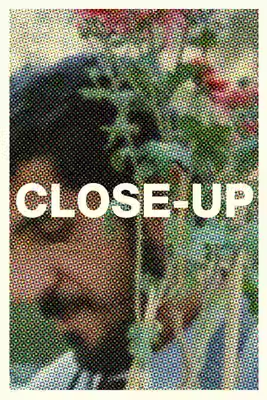
You Can See Everything and Close-Up both restage a real fraud with the real fraudster present, but Kiarostami's film is the shorter, gentler and more moving of the two. Fielder and Oppenheim's version is funnier and more elaborate, with Seyfried playing Holmes until the copy and the original blur, yet it runs a good half-hour long. Start with Close-Up if you want the trick done cleanly.
What should I watch after You Can See Everything?
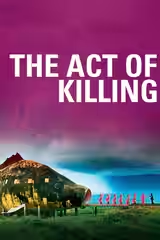
After You Can See Everything, try Close-Up (1990, Fi1m 92): Kiarostami restages a real fraud with the real fraudster; the original trick, done gently. Then The Act of Killing (2012, Fi1m 88): Killers re-enact their crimes for the camera and the re-enactment does the judging.

Cast

If you liked this, try…

  1. Close-Up (1990, Fi1m 92)Kiarostami restages a real fraud with the real fraudster; the original trick, done gently.

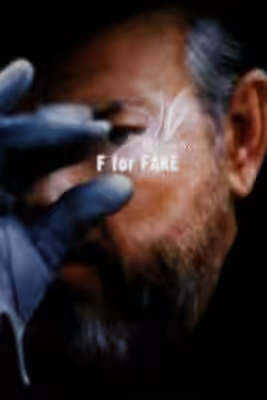
  2. F for Fake (1973) · not reviewed yetWelles on forgers and liars, including himself; the film this one keeps winking at.

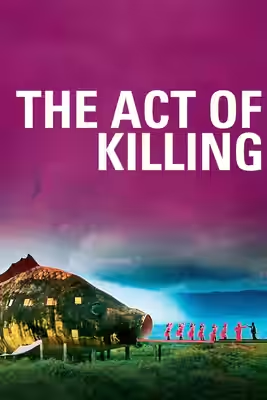
  3. The Act of Killing (2012, Fi1m 88)Killers re-enact their crimes for the camera and the re-enactment does the judging.

  4. Some Kind of Heaven (2020) · not reviewed yetOppenheim’s Florida retirement village, shot like a dream and cut like a warning.

  5. The Rehearsal (2022) · not reviewed yetFielder’s series about rehearsing life; the method here, before it had a subject this slippery.

Free account

Know what to watch tonight

Two lists that know where things are streaming, collections you can share, your own score beside ours, and Discover that remembers what you have seen.

  • Want to see, sorted by what is streaming now
  • Seen, with your score out of ten
  • No adverts, ever