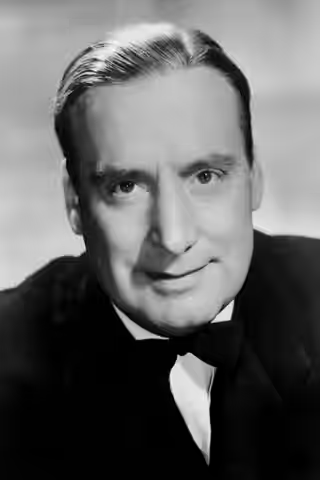
Alan Mowbray spent nearly forty years in Hollywood as the Englishman the script needed: butler, prince, drunken Shakespearean. He was never the point of a film and rarely its problem, and for John Ford he was more than furniture.
Fi1m perspective
The voice arrives before the man. Mowbray's diction is clipped and his back is straight, and within a second of his entrance you know what he is: the butler, the valet, the prince who thinks the room is beneath him. Hollywood found this out in 1931 and never let it go. He made more than 140 films, and the label of butler stuck to him even though the actual butler parts were few.
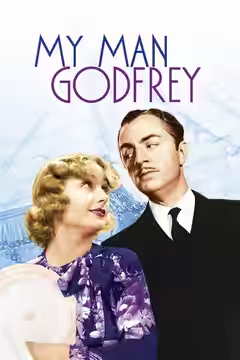
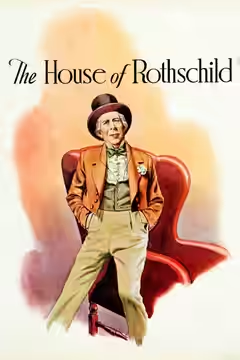
He came off the London stage, where he had been an actor and stage manager from 1922, arrived in America the next year and was on Broadway by 1926. Sound pictures wanted Englishmen who could be understood, and he could. Alexander Hamilton (1931) used the patrician air; The House of Rothschild (1934) made him Metternich, a title as much as a part; My Man Godfrey (1936) and Topper (1937) put him in the screwball drawing room, where he settled. That Hamilton Woman (1941) gave him Sir William Hamilton opposite Vivien Leigh, the nearest thing to a serious dramatic lead on the list.
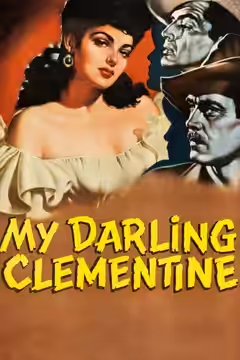
What we would send anyone to is My Darling Clementine (1946), where John Ford, who used him twice, cast him as Granville Thorndyke, a travelling Shakespearean who drinks. Ford saw what the drawing-room parts hid: that Mowbray's dignity was funniest, and saddest, when it was slightly spoiled. The drunken actor became a line of work for him, along with the scheming mentor, and it is the line in which he seems to be enjoying himself.
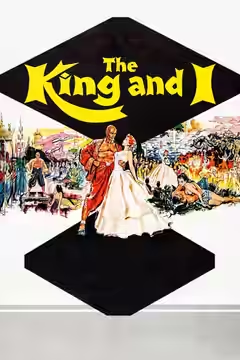
In the two films we have reviewed he is doing the other thing, the upright thing. His Metternich in Rothschild is all bearing and no surprise; the film belongs to George Arliss, and Mowbray stands where he is told. Watching The King and I (1956), one of three films he made that year, we caught ourselves waiting for John Hay to do something and felt a small, unfair disappointment when he was simply correct. That is what he was hired for. Yul Brynner had the film; Mowbray had the tailoring.
He wrote about acting as a trade, for "the normal actor whose training enables him to portray his role with a minimum of headaches", and that is how he played it, as a professional who turned up knowing the words. Start with Ford's Thorndyke rather than the butlers. He was better at falling apart than at standing still, and the studios mostly asked him to stand still.
Biography
Alan Mowbray was an English stage and film actor. Born Alfred Ernest Allen in London, he served in the British Army during the First World War and was awarded the Military Medal. He began his stage career in London in 1922 before moving to the United States in 1923, where he appeared in Broadway productions and toured with theatre companies.
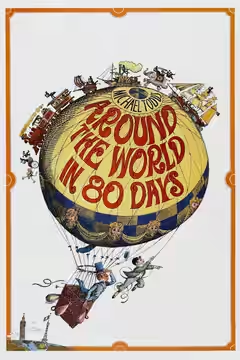
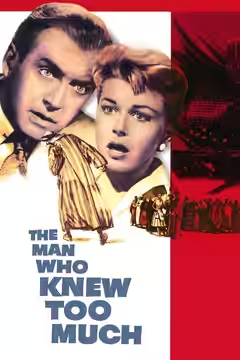
Mowbray made his film debut in 1931 and went on to appear in more than 120 films, often in character roles. He is credited as Prince Metternich in The House of Rothschild (1934) and played supporting parts in films including My Man Godfrey (1936), That Hamilton Woman (1941), My Darling Clementine (1946), The King and I (1956), Around the World in 80 Days (1956) and The Man Who Knew Too Much (1956). He was a founding member of the Screen Actors Guild and later appeared in television series such as Colonel Humphrey Flack.