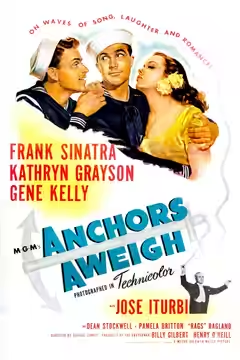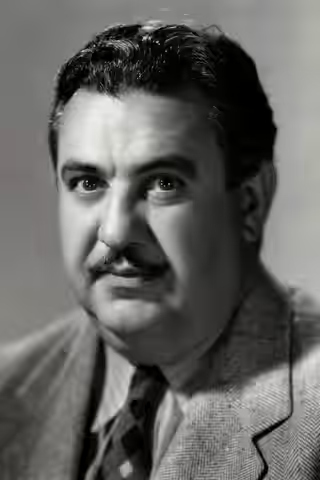
Billy Gilbert built a career on one sneeze and a great deal of bluster, and put both to better use than most comic supports of his day. He is at his best in short doses, opposite people the bluster can bounce off.
Fi1m perspective
Billy Gilbert's sneeze does not simply happen. It announces itself. The face tightens, the breath catches, a hand goes up, the whole body leans back and holds, and everyone else in the frame stops to wait. When it arrives it is less a sneeze than a small detonation, and the joke is that he looks as surprised as anyone. He did it for years, in shorts and features and finally in a cartoon, usually when the character was already excited or nervous, and the wait was always the point.
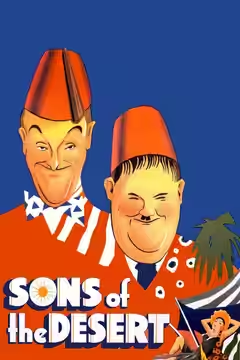
He came to films in 1929 from vaudeville, which he had joined at twelve, and settled in at Hal Roach's studio, where the work was short comedies and the job was to be the man who loses his temper. He shouted at Laurel and Hardy in The Music Box (1932) as a professor with a name too long to say, and again in Block-Heads (1938); he was a regular foil for Charley Chase as well. Roach's shorts needed a wall for the comedians to run into, and Gilbert, large, loud and put-upon, was a good wall.
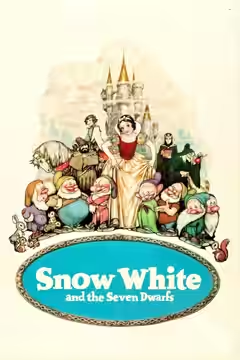
The sneeze got him noticed at Disney. He recalled meeting Walt, who "liked my sneeze", and being called back over a long period to record sessions of nothing else. The result is Sneezy in Snow White and the Seven Dwarfs (1937), uncredited. Our review places him among the seven without singling him out, and that is about right: Sneezy is a running gag rather than a character, and Gilbert's contribution is a noise. It is, though, a noise a great many people can still do on request.
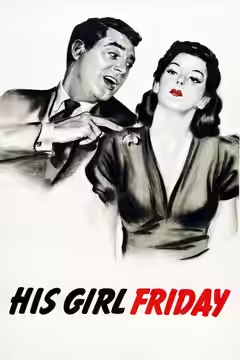
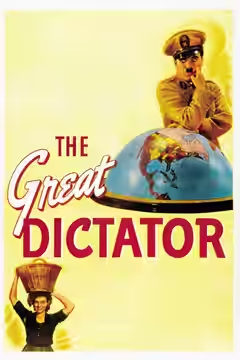
The features of the 1940s gave him more to do. In His Girl Friday (1940) he is Joe Pettibone, the slow-witted process server who wanders into a newspaper story, and it is the part people cite when they cite him. In The Great Dictator (1940) he is Field Marshal Herring, a parody of a high Nazi official. We will be honest: watching Chaplin's film again, we barely noticed him. Chaplin is giving two performances at once and leaves little air for anyone else, and Herring is written as a target rather than a person. Gilbert takes the abuse with the patience of a man who took it from Hardy for a decade.
That is the shape of the career, and the reservation. He was nearly always some way down the cast list, often uncredited, in and out in a scene or two. The timing and the dialects were reliable, and reliability in a supporting comic is a real gift, but it kept him in the same kind of room. He moved to television in the 1950s and made his last film in 1962. If you want him, go to the Roach shorts, where the room is small enough for him to fill it. In Snow White he is one seventh of the funniest scene in the film, and for a sneeze that is a fair return.
Biography
Billy Gilbert, born William Gilbert Barron, was an American actor and comedian. He appeared in more than 200 feature films, short subjects and television shows from 1929 to 1962.
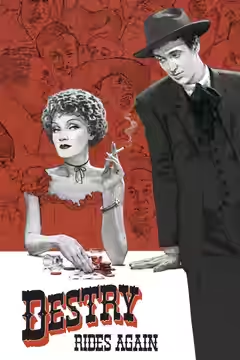
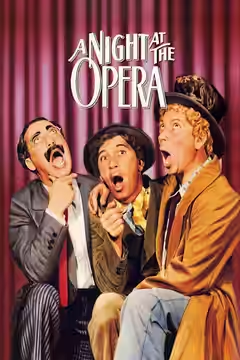
He is known for his role as Field Marshal Herring in The Great Dictator (1940), the voice of Sneezy in Snow White and the Seven Dwarfs (1937), and supporting parts in films including His Girl Friday (1940), A Night at the Opera (1935) and Destry Rides Again (1939). Gilbert began performing in vaudeville at the age of 12 and became noted for his comic sneeze routines and dialect work.
He received a star on the Hollywood Walk of Fame for his contributions to motion pictures.