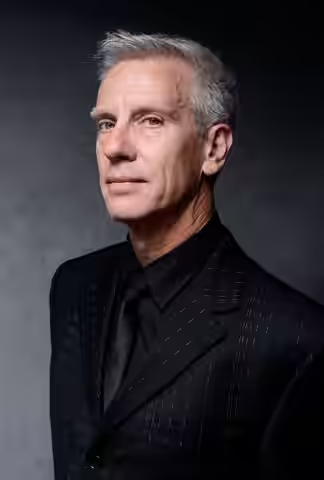
Chris Sanders writes funny, awkward creatures who need somewhere to belong. We rate his films highly, especially when he trusts behaviour and pictures to explain a friendship without having everyone talk us through it.
Fi1m perspective
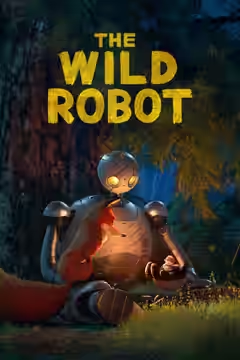
Roz folds herself upright on a beach in The Wild Robot (2024) and offers assistance to animals who have no use for it. We laughed more than we expected at this helpful machine being knocked into the sea. Sanders lets us laugh at her difficulties before asking us to care about her. The time spent on those failed introductions makes the later tenderness feel earned.
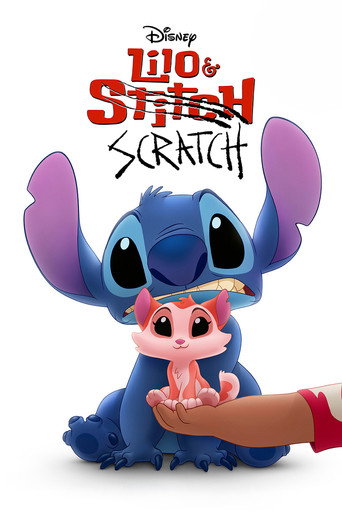
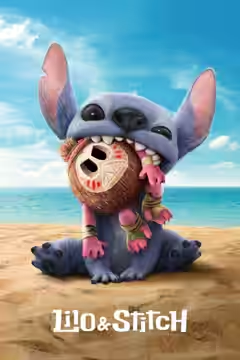
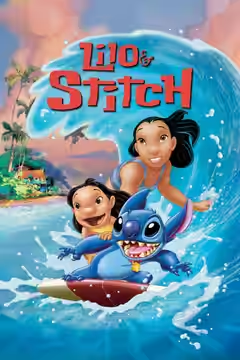
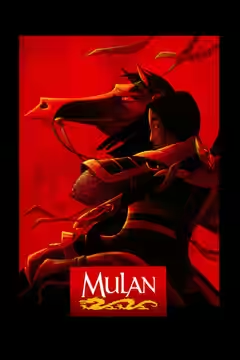
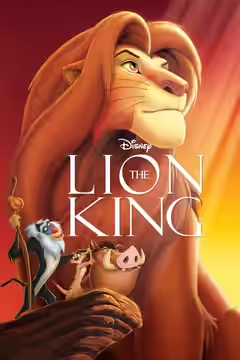
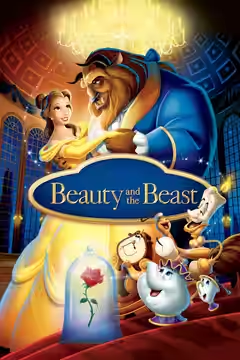
His writing grew out of visual work on Beauty and the Beast (1991) and The Lion King (1994), followed by story supervision and co-writing on Mulan (1998). In The Lion King, his production design gives the animals places that seem to continue beyond the immediate needs of a scene. The scenery remains worth looking at even when the storytelling becomes predictable. Co-writing and co-directing Lilo & Stitch (2002) with Dean DeBlois made his recurring interest clearer: a creature finding a household willing to have it.
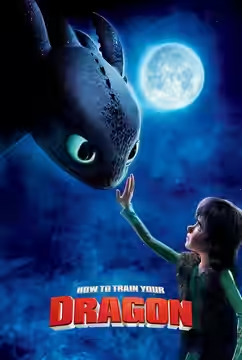
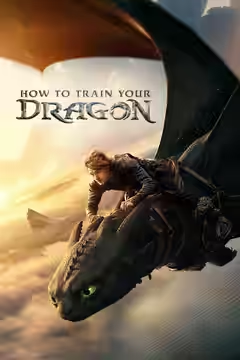
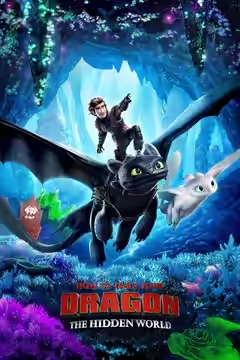
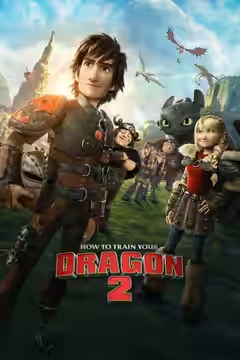
How to Train Your Dragon (2010), written with DeBlois and William Davies, gives that interest a warmly persuasive story. Hiccup's growing attention to the wounded Toothless makes his change of mind about dragons feel earned. The supporting humans are less carefully drawn, and some early jokes interrupt rather than help. Once the film concentrates on boy and dragon, its familiar lessons are worth hearing again.
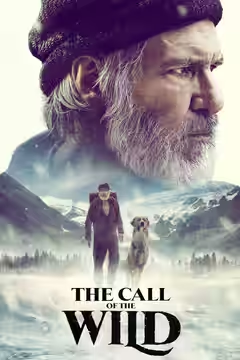
After the move into live-action directing with The Call of the Wild (2020), The Wild Robot returns to that concern with belonging. Sanders adapts Peter Brown's children's novel and again gives the pictures time to carry the story. Raymond Zibach's production design uses visible brushstrokes that make Roz's smooth shell stand apart from the island. Mary Blee's editing lets a season pass around the seated robot in one shot. Kris Bowers's score holds back its strings for the flying and leaves the comedy largely alone, rightly trusting the slapstick.
The last third of The Wild Robot gives too much time to action, just when we want it to stay with the relationships it has patiently built. The family-adventure plotting is still a weakness, even when Sanders has made us care this much. Start with How to Train Your Dragon, and give the boy and his dragon time to meet.
Biography
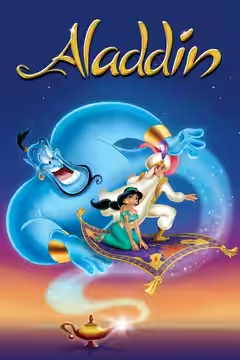
Chris Sanders (born 12 March 1962) is an American filmmaker, animator, screenwriter and voice actor. He studied character animation at the California Institute of the Arts and began his career at Walt Disney Animation Studios, contributing to story and visual development on films including Beauty and the Beast (1991), Aladdin (1992) and The Lion King (1994).
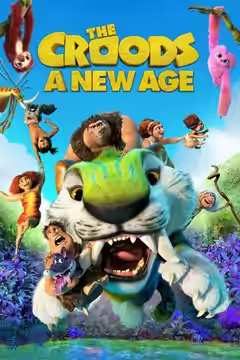
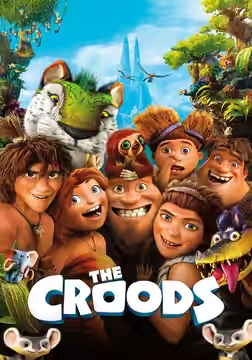
Sanders co-wrote and co-directed Lilo & Stitch (2002) with Dean DeBlois; he created the character Stitch and has voiced it in most appearances, including the 2025 live-action adaptation. He later collaborated again with DeBlois on How to Train Your Dragon (2010). Other credits include directing The Croods (2013) with Kirk DeMicco and The Wild Robot (2024), for which he also wrote the screenplay. His live-action directorial debut was The Call of the Wild (2020). Several of his films received Academy Award nominations for Best Animated Feature.