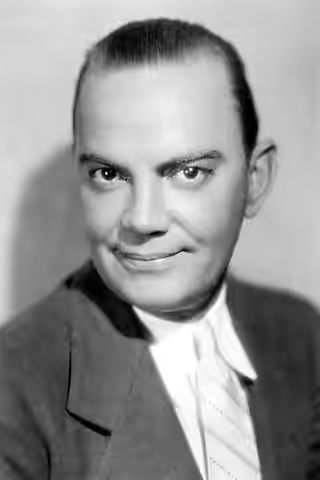
Cliff Edwards spent the 1920s as Ukulele Ike, a vaudeville singer with a voice that had been round the block, and then lent it to a cricket. Jiminy is the only part most people know him for, and it deserves to last.
Fi1m perspective
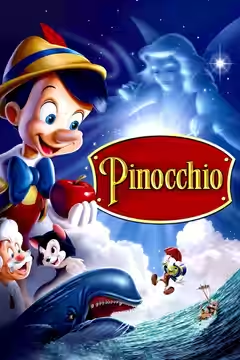
A cricket in a top hat sits down in a dark workshop and sings a lullaby, and the film stops to listen. That is the moment most people carry away from Pinocchio (1940), and it belongs to Cliff Edwards, who was never credited for it. His Jiminy is not a saint or a schoolmaster. He talks like a man who has sold you something before, quick and confident and slightly shopworn, and when he sings the voice is the same: warm, a little worn, sure of the tune. We expected sugar from "When You Wish Upon a Star" and got something quieter and sadder, sung low, almost to himself, and it caught us out.
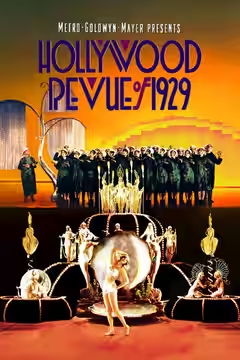
He had been singing for a living for a quarter of a century by then. As Ukulele Ike he worked vaudeville and made records through the 1910s and 1920s, with a trick of his own he called eefin', a scat that turned his throat into a kazoo over the ukulele. "By that time I could whip almost anything out of a ukulele," he said in 1929, and MGM agreed: in The Hollywood Revue of 1929 he was the first person to sing "Singin' in the Rain" on screen. Then the public wanted crooners, Bing Crosby chief among them, and Edwards slid into supporting parts, three of them alongside Buster Keaton at MGM.
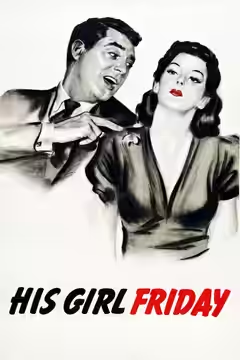
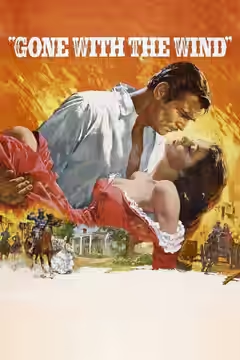
The live-action work from that decade is the work of a man filling out a cast. In His Girl Friday (1940) he is Endicott, one voice in Howard Hawks's press room, in a film so crowded and so fast that our own review found no reason to pick him out. In Gone with the Wind (1939) he is not seen at all, only heard, as a wounded soldier in the hospital. It was the voice the studios kept hiring, and in 1940 Walt Disney found the right use for it.
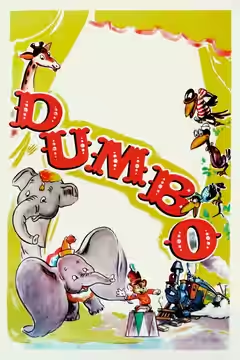
The Disney years are where the case rests, and it is not all to his credit. In Dumbo (1941), again uncredited, he leads the crows as Dandy Crow and sings "When I See an Elephant Fly", and he sings it well. The trouble is what the crows are: a minstrel-show idea of Black men, idle and loud, there for laughs before they are allowed kindness. We winced in our review and we wince now. The scene cannot be cut from the plot, and the performance cannot be separated from the drawing, so Edwards is stuck with it.
He went on doing voices for Disney, into television, until he died in 1971. Two of the best-known performances in American animation carry no credit at all. If you know him only as a cricket, that is not a bad thing to be known as. Put on Pinocchio, wait for the workshop to go dark, and listen to a vaudevillian who has found the one room where nobody talks over him.
Biography
Cliff Edwards, also credited as Clifton Avon Edwards and nicknamed Ukulele Ike, was an American actor, singer and musician. Born in Hannibal, Missouri, he began performing in vaudeville in the 1910s after teaching himself the ukulele, and achieved popularity in the 1920s with novelty songs and standards.
He appeared in numerous films from the late 1920s onwards, including a role as Endicott in His Girl Friday (1940). Edwards is best known for providing the voice of Jiminy Cricket in Walt Disney's Pinocchio (1940) and Fun and Fancy Free (1947), and for voicing a crow in Dumbo (1941). He died in Hollywood, California, in 1971.