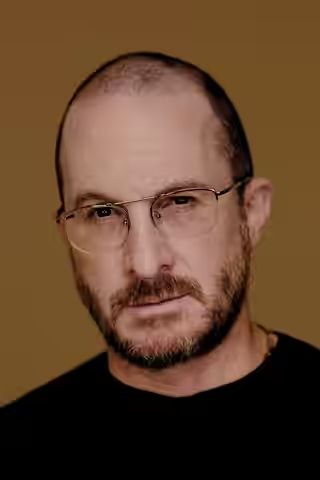
Darren Aronofsky keeps us close to people who cannot leave an idea alone. We find his films gripping when those people remain understandable, and wearing when he expects their distress to do all the explaining.
Fi1m perspective
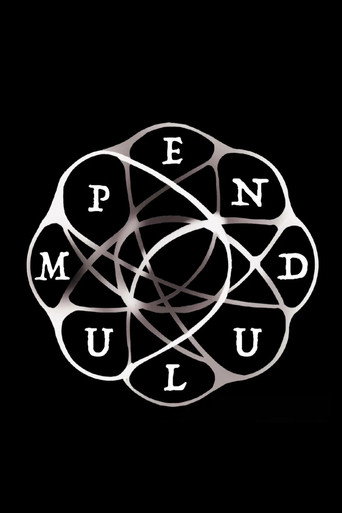
In Pi (1998), Sean Gullette's mathematician Maximillian Cohen looks for patterns in numbers with a certainty that makes him uncomfortable company. Gullette also preserves the loneliness underneath, so we understand the need to prove himself right even when the reasoning becomes difficult to follow. Aronofsky keeps us close to what the search is doing to him. The performance does not ask us to find Cohen agreeable. It makes for a good paranoid thriller, though the director's habit of treating every thought as an emergency is already wearing.
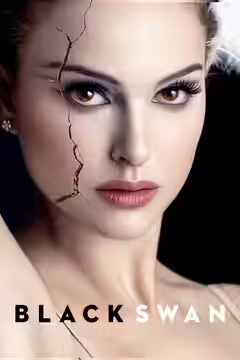
From that debut, Requiem for a Dream (2000) developed the intense, stylised montage that became one of Aronofsky's signatures. The Wrestler (2008) moved towards a more naturalistic approach, keeping the emphasis on bodily endurance and performance. Black Swan (2010) brought performance drama into psychological horror. These changes matter: Aronofsky has other ways of holding our attention besides disorienting us. His gift for drawing committed performances from actors in demanding roles gives us a reason to stay.
Cinematographer Matthew Libatique is a recurring collaborator; split screens, extreme close-ups and subjective camerawork are recurring tools in Aronofsky's films. That closeness can make another person's distress hard to dismiss. It is less useful when the screenplay needs to explain what fascinates them. In Pi, mathematics, stock-market speculation and Jewish mysticism are drawn together without equally persuasive connections. Once we have understood Cohen's compulsion, Aronofsky keeps pressing the signs of distress instead of giving the ideas enough attention.
Caught Stealing (2025) offers a welcome, uneven change: a wrong-man crime comedy adapted by Charlie Huston from his own novel. A bartender called Hank agrees to feed a cat and attracts the attention of criminals, a premise that allows Aronofsky some unfamiliar playfulness. We found Hank's early beating hard to shake because Aronofsky holds the shot and lets the sound of the blows register. The trouble comes when Huston's script moves between comedy and tragedy: Aronofsky makes each convincing separately, but some wisecracks sound as though they belong to a different film. Start with Pi if paranoid thrillers are yours; save Caught Stealing for when curiosity about its director matters more than a consistently good night out.
Biography
Darren Aronofsky is an American film director, screenwriter and producer. Born on 12 February 1969 in Brooklyn, New York, he studied film and social anthropology at Harvard University before attending the AFI Conservatory.
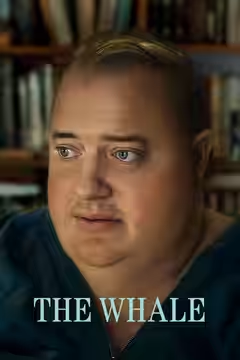
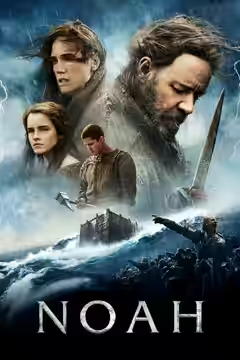
He founded Protozoa Pictures in 1997. His feature debut Pi (1998) won the Directing Award at the Sundance Film Festival. Later films include Requiem for a Dream (2000), The Wrestler (2008), Black Swan (2010), Noah (2014), mother! (2017) and The Whale (2022). He directed and produced Caught Stealing (2025).