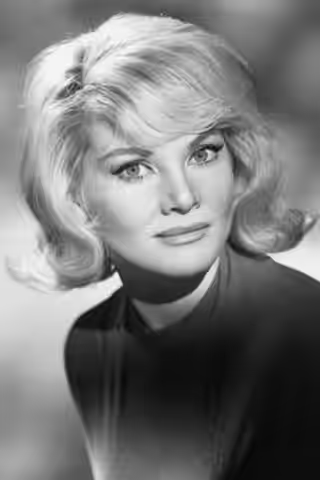
Diane Cilento was the warmest thing in a good many cool British films, a husky-voiced supporting player who brought life to pictures that needed it. Her best screen work is early in Tom Jones and, in a stranger key, among the islanders of The Wicker Man.
Fi1m perspective
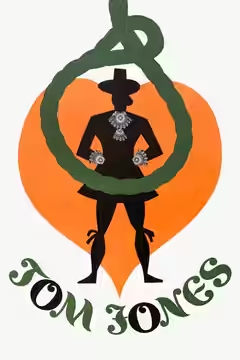
Molly Seagrim in Tom Jones (1963) has dirty knees and a warm face, and she is on screen early and not for long. That is Diane Cilento's film career in a sentence. She came through RADA and a contract with Alexander Korda into the British films of the mid-1950s, pictures like Passage Home (1955) that were, for the most part, pale things, and she was not. Obituarists reached for the same words, vitality and sexuality, and for once the words are right: she looks like someone who has been outdoors and enjoyed it, in films full of people who had not.
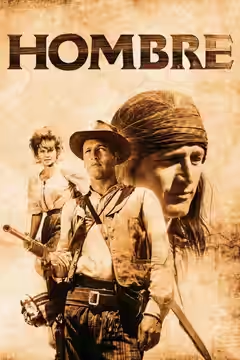
Tony Richardson's Tom Jones was the breakthrough, and it suited her because Richardson treats the eighteenth century as a party he has crashed, and Molly is the sort of guest who makes a party worth crashing. We liked her more than the film has time for; Richardson hurries on towards Upton and Joyce Redman's oysters, and we found ourselves wishing he had stayed with her a little longer. After that came the supporting parts Hollywood gives to women it admires but does not know what to do with: Contessina de' Medici opposite Charlton Heston in The Agony and the Ecstasy (1965), Jessie opposite Paul Newman in Hombre (1967). We have not reviewed either, and will only say that neither title is remembered for her, which tells its own story.
Then, in 1973, Miss Rose. Robin Hardy's The Wicker Man is the film of hers we would tell a stranger to see, and she is in it as the island's schoolteacher, one of the smiling, reasonable pagans against whom Edward Woodward's sergeant keeps bumping his stubborn head. It is not a part that asks her to carry anything. It asks her to be pleasant and quite certain, and the film's unease comes from how many people on that island are pleasant and quite certain at once. She was one of them, and the island still frightens us. It was her last major screen role.
The stage got the rest. She had already been Helen of Troy and was, by every account, a stronger presence in a theatre than the cinema ever let her be, and she went home to Queensland and founded the Karnak Playhouse. She once said, of starting out, "I didn't actually sit there thinking I wanted to be Sarah Bernhardt; I didn't know anything about acting." She learned, and the films mostly did not notice. Start with Tom Jones, where she is on screen early, briefly and worth it, then The Wicker Man, where nobody is the star and that is the point.
Biography
Diane Cilento was an Australian actress. She trained at the Royal Academy of Dramatic Art in London and began appearing in British films and theatre in the early 1950s.
She received an Academy Award nomination for Best Supporting Actress for her role in Tom Jones (1963) and appeared in Hombre (1967) and as Miss Rose in The Wicker Man (1973). She was also nominated for a Tony Award for her performance in the play Tiger at the Gates.
Cilento was married to actor Sean Connery from 1962 until their divorce in 1973, and later to playwright Anthony Shaffer, whom she met while working on The Wicker Man.