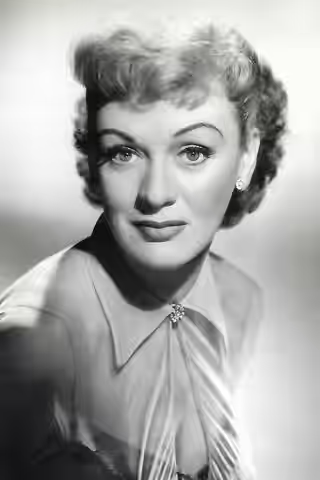
Eve Arden stood at the edge of other people's films for fifty years and told the truth about them. The wisecrack was her trade and she was never once careless with it; the pity is how rarely anyone asked her for anything else.
Fi1m perspective
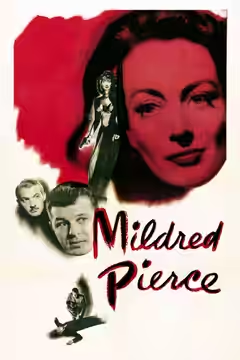
The Eve Arden part is easy to recognise and hard to do. She is the woman one step to the side of the heroine, usually with a job, who watches the plot happen and says what everyone in the audience has been thinking. In Mildred Pierce (1945) she is Ida, who runs Mildred's restaurant floor with a line for everything and no illusions about anybody, and who is the only person in the film who tells Joan Crawford's Mildred the truth. The delivery is the thing: dry, unhurried, slightly sung, landing a beat before you expect it and then gone, because Ida has a floor to run and no time to enjoy her own joke.
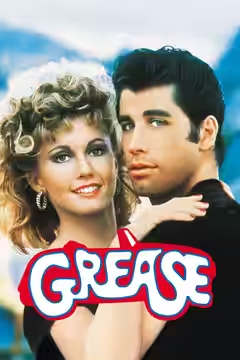
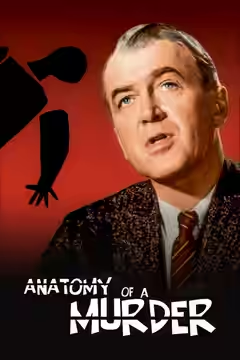
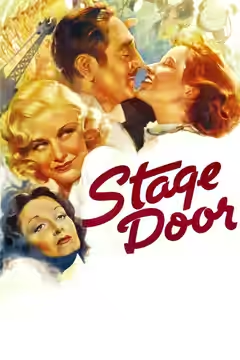
She came to it from stock theatre, having left school at sixteen, and then from the Ziegfeld Follies on Broadway in the mid-1930s, and it shows; she had learned to hit a line to the back of a house long before a camera got near her. Stage Door (1937) fixed the type, the fast-talking friend with the good lines, and the 1940s kept her at it in supporting part after supporting part. Mildred Pierce was the peak of that decade and remains the place to start. After it she took the character to radio and then television as Connie Brooks, the sardonic schoolteacher of Our Miss Brooks (radio from 1948, television from 1952), and for once was the lead. Later came Anatomy of a Murder (1959), as James Stewart's secretary, and a late turn as Principal McGee in Grease (1978) and Grease 2 (1982), for an audience that had no idea she had ever been anything else.
What works is the timing, and the refusal to ask for the audience's affection. Arden never played the wisecrack as a plea to be liked; she played it as a woman getting on with her job, and the laugh was a by-product. Watching Mildred Pierce again, we noticed that we relaxed every time Ida came into frame, because here at last was somebody in that overheated house who could see straight, and that relief is a large part of why the film stays bearable. Around Crawford's clenched will and Zachary Scott's expensive idleness, Ida is the only adult, and Michael Curtiz knows to keep her close.
What does not work is the career around the performance. She was so good at the one thing that nobody in Hollywood could think of a reason to try her at a second, and by the 1950s people were talking about an "Eve Arden type" as though the type had come first and the actress after. She knew it. "My forte was the one-line," she said. "Exit stage right, drop the zinger, exit stage left." That is honest and a little sad, since Ida suggests an actress who could have carried a drama and was never handed one.
Start with Mildred Pierce and watch the edges of the frame. Then decide, as we have never quite managed to, whether the studios were wasting her or whether being the one sane person in a hundred films is a lead part by another name.
Biography
Eve Arden, born Eunice Mary Quedens and also credited early in her career under that name, was an American actress who worked in film, radio, stage and television. She made her film debut in 1929 and her Broadway debut in the early 1930s.
Her first major film role came in Stage Door (1937). She received an Academy Award nomination for Best Supporting Actress for Mildred Pierce (1945) and appeared in Anatomy of a Murder (1959). Arden starred as Connie Brooks in the radio series Our Miss Brooks (from 1948) and its television adaptation (1952–1956).
She played Principal McGee in the musical films Grease (1978) and Grease 2 (1982).