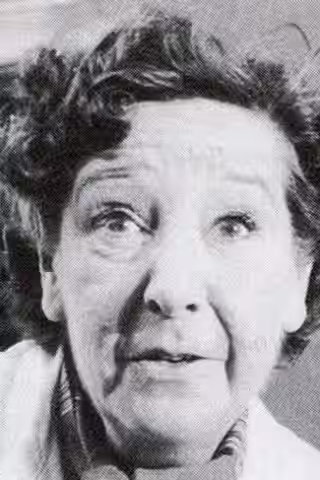
The woman who talks through the moment that matters. Everley Gregg spent thirty years playing gossips, hangers-on and sour spinsters in other people's films, and in Brief Encounter she made one of them unbearable, which was exactly the job.
Fi1m perspective
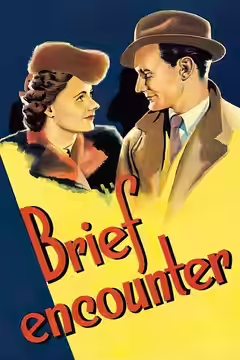
Near the start of Brief Encounter (1945), two people are sitting in a station refreshment room with a few minutes left to them, and a third arrives. Dolly Messiter sits down and talks: about the train, about nothing much, and she keeps talking until the moment the other two needed has gone. Everley Gregg plays her without a trace of malice, which is the whole point. Dolly is not cruel. She simply does not notice, and she goes on not noticing. We have seen the film more times than we can count and we still want to reach into the frame and move her along, and that is the performance doing exactly what Noël Coward and David Lean asked of it.
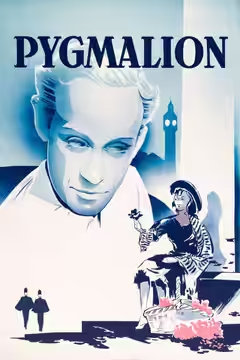
She had been playing Dolly for years before the cameras turned. Gregg trained at RADA and was on the West End stage by the late 1920s, and her early career was bound up with Coward: Private Lives, and the Tonight at 8.30 cycle, which included Still Life, the one-act play in which Dolly first interrupted somebody's last goodbye. Her films began with The Private Life of Henry VIII (1933), where she was Katherine Parr. Through the 1930s and the war she took supporting parts, among them Mrs Eynsford-Hill in Pygmalion (1938), a film we admired for moving at twice the speed of the play. It is a supporting part, and a small one, and it is over before you have decided what you think of her.
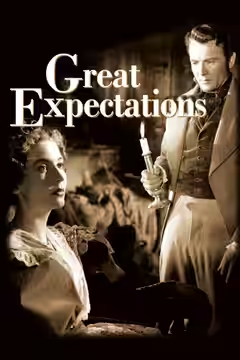
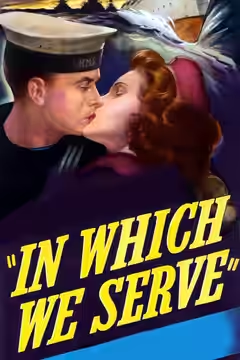
Then came David Lean, who used her three times: as a nurse in In Which We Serve (1942), as Dolly in Brief Encounter, and as Sarah Pocket in Great Expectations (1946), one of the petty relatives. The three parts are the same woman in different hats: someone at the edge of the picture who wants something small and says too much about it. Lean liked to cut fast, and an actress who could establish a type in one line and get out of the way was worth having.
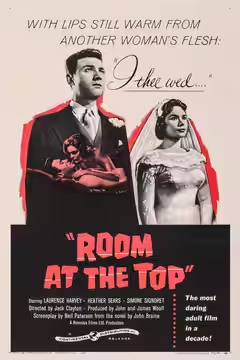
The type never changed. Thin-lipped, dark-haired, and cast as nosy neighbours, hangers-on and sour spinsters, Gregg was never asked to carry a film and, as far as the record shows, never did. Many of the later parts were uncredited: a dressmaker in Hitchcock's Stage Fright (1950), a mayoress in Room at the Top (1958). She added television for the BBC in the 1950s and worked until her death in 1959. It is a small career by the measure of leading parts and a solid one by any other.
There is no film to send you to for Gregg alone. There is Brief Encounter, which we would send a stranger to for other reasons, and once you are there, watch the woman at the other end of the table. Everyone remembers the two who cannot speak. Somebody had to do the talking.
Biography
Everley Gregg (26 October 1903 – 9 June 1959) was an English actress. She trained at the Royal Academy of Dramatic Art after education at Badminton School, Bristol, and began her career on the West End stage, where she appeared in several plays by Noël Coward.
She made her film debut as Katherine Parr in The Private Life of Henry VIII (1933). Her other screen roles include Mrs Eynsford Hill in Pygmalion (1938), a nurse in In Which We Serve (1942), Dolly Messiter in Brief Encounter (1945), Sarah Pocket in Great Expectations (1946), and the Mayoress in Room at the Top (1958). She also took television roles in the 1950s.