George Markstein helped make espionage television worth listening to: orders can be questioned, and objections take time. We recommend the series he helped shape for their sharp dialogue and unease, with a warning about the solemnity.
Fi1m perspective
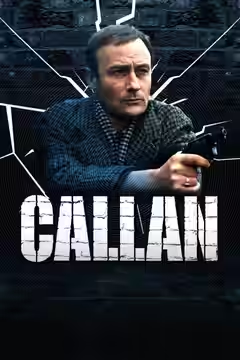
In Callan (1967), an objection to an order gets time to matter. George Markstein is among the writers, alongside William Emms and Robert Banks Stewart, whose dialogue gives the actors something to do beyond moving the plot along. We were absorbed by Edward Woodward's resistance to being told what to do; the talk kept us watching as keenly as the prospect of action. The 50-minute episodes allow that resistance to develop without holding up the story. Russell Hunter's Lonely also helps keep the gloom bearable, though the moodiness can become wearing.
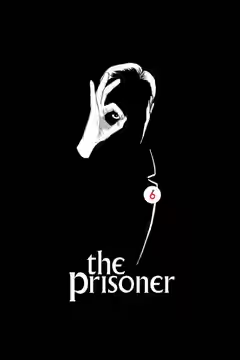
Markstein's early television work in the mid-1960s was as a story consultant and editor. Choosing writers and maintaining a series' tone were substantial parts of the job. He co-developed The Prisoner (1967) with Patrick McGoohan, co-wrote its pilot and edited the first 13 episodes. McGoohan's stubborn performance gives the series a centre, while the Village makes familiar surroundings feel unsafe. It is a gripping mystery, though its solemnity sometimes makes an already uneasy watch harder work than it needs to be.
Markstein favoured a more conventional espionage approach to The Prisoner, and creative differences with McGoohan led to his departure after 13 episodes. That is useful to know, but it does not tell us which moments to credit to one man or blame on the other. Nor does it persuade us that a more straightforward spy story would have been a better programme. The series' unease is worth some difficulty, and we would not wish away its strangeness simply to make the plot easier to explain.
His co-written screenplays include Robbery (1967) and The Odessa File (1974), but the television work gives us the firmer basis for judgement. Callan makes the case for him most plainly, with well-paced plots that still let a conversation become the main business. Its dialogue is sharp without insisting that we notice how clever it is. We would look for that patience in the rest of his work. Start there if a spy's objection interests you as much as the order.
Biography
George Markstein was a British screenwriter, television story editor and novelist specialising in espionage and thriller stories. He began his career as a journalist, working for newspapers including the Southport Guardian and as London correspondent for the American military tabloid Overseas Weekly, before moving into television as a story consultant and editor.
He served as script editor on the first thirteen episodes of the ITC series The Prisoner (1967) and co-wrote its opening episode "Arrival" with David Tomblin. Markstein appeared briefly as the man behind the desk in the series' title sequence. He had previously worked as story consultant on Danger Man and Court Martial, and later contributed to series including Callan and Special Branch.
Markstein wrote the screenplay for the film Robbery (1967) and co-wrote The Odessa File (1974). He also originated the story for Who Dares Wins (1982) and published several espionage novels.