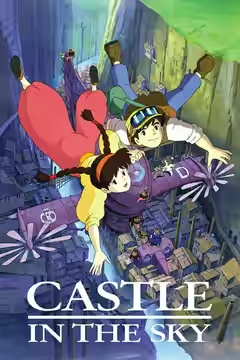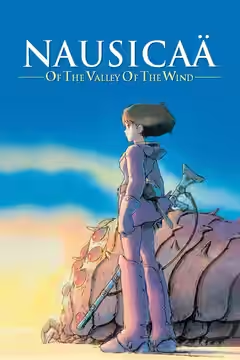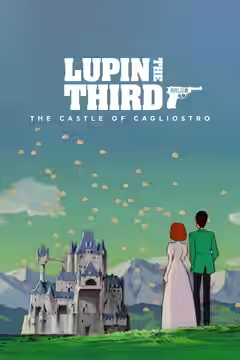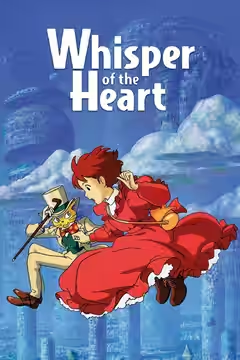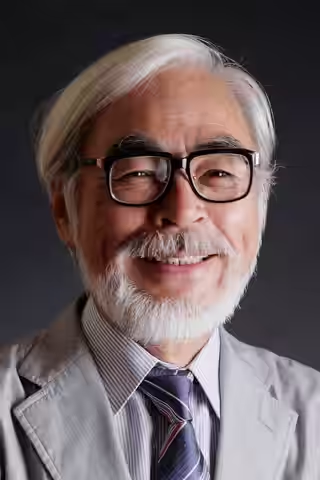
Miyazaki writes children who are useful before they are charming, and plots that get away from him in the last hour. The first habit is why we recommend nearly all his films; the second is why nearly every recommendation carries a caveat.
Fi1m perspective
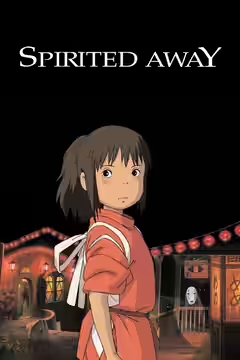
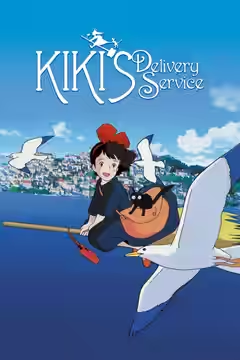
Somewhere in a Miyazaki film a girl is doing a job. Kiki delivers parcels. Fio redesigns a seaplane because the men of the family have gone away to find work. Chihiro scrubs floors in a bathhouse. Nausicaä chips the lens out of a dead insect's eye. Miyazaki has a writing credit on every feature he has directed, and this is the plainest thing about his scripts: growing up means becoming useful.
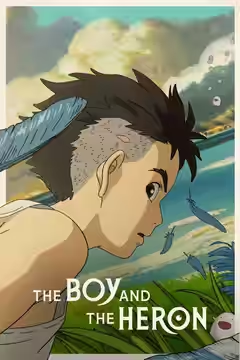
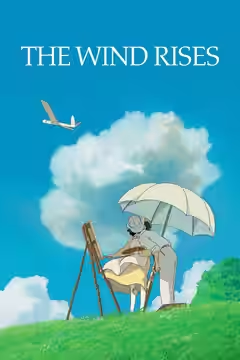
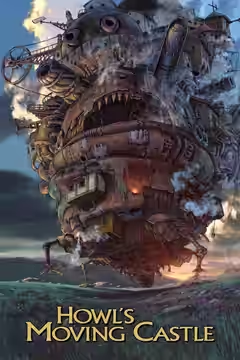
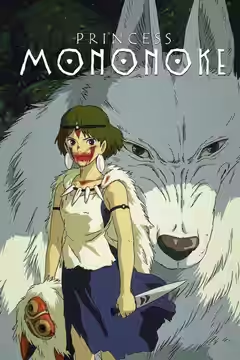
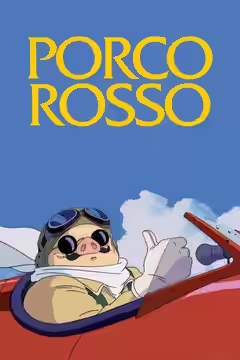
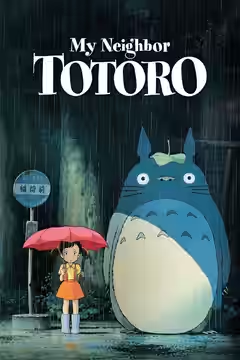
He started on a character he did not own. The Castle of Cagliostro (1979) gives Monkey Punch's Lupin III a body that can hurt and a script with almost nothing on its mind. Nausicaä of the Valley of the Wind (1984), shortened for English-language cinemas as Warriors of the Wind, is where he found his subject: a poisoned world and a girl who would rather look at a monster than kill it. Studio Ghibli followed in 1985, founded with Isao Takahata and the producer Toshio Suzuki, and then the run: Castle in the Sky (1986), My Neighbor Totoro (1988), Kiki's Delivery Service (1989), Porco Rosso (1992), Princess Mononoke (1997), Spirited Away (2001), Howl's Moving Castle (2004). He announced his retirement after The Wind Rises (2013) and came back with The Boy and the Heron (2023).
The villains improved as he went. The Count in Cagliostro has a moustache and a printing press; Muska in Castle in the Sky has a suit and a plan. By Princess Mononoke there is no villain. The gods, the humans and the samurai each want something understandable, and the script asks us to hold all of it without handing us one convenient person to hate. Howl's Moving Castle makes a case for kindness that persuaded us even when we could not follow the spells. The scene in Porco Rosso where Porco tells Fio about the war, and the fallen aircraft rise past him in a white river across the sky, moved us more than we expected, because the script gives him nothing to say about it. Joe Hisaishi has scored ten of these films and Takeshi Seyama has cut several, and the quiet passages are where the three trust each other most.
The weakness is structure. Castle in the Sky sags for an hour aboard a pirate airship. The Boy and the Heron keeps stopping so that a character can stand still and tell Mahito the rules of the world. And The Wind Rises asks, through three people, what its hero's planes are for, and lets him change the subject. We think Miyazaki meant the sadness and not the evasion, but he owed us an answer to that one.
He said after The Wind Rises that he was finished. He was not; the Japanese title of the film he came back with is a question: How Do You Live? We would take another, speeches and all.
Biography
Hayao Miyazaki is a Japanese animator, film director and screenwriter. Born on 5 January 1941 in Tokyo, he began his career at Toei Animation and directed his first feature film, Lupin III: The Castle of Cagliostro, in 1979. With Isao Takahata he co-founded Studio Ghibli, where he has directed and written numerous animated features.
Miyazaki is known for films including My Neighbor Totoro (1988), Princess Mononoke (1997), Spirited Away (2001), Howl's Moving Castle (2004), Ponyo (2008), The Wind Rises (2013) and The Boy and the Heron (2023). Spirited Away won the Academy Award for Best Animated Feature; The Boy and the Heron received the same award in 2024.