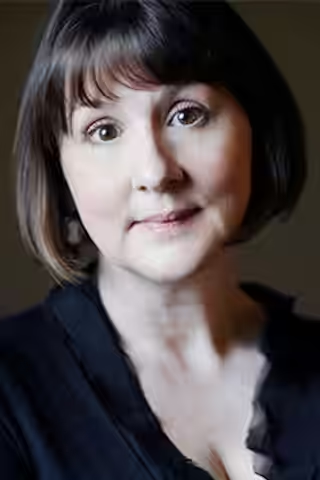
Heidi Thomas takes women’s work seriously, and her television drama is often funny and moving. We rate her highly, with one reservation: she can keep explaining the value of kindness after her characters have made it plain.
Fi1m perspective
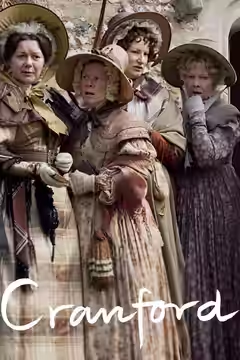
In Cranford (2007), staying respectable takes effort, particularly when there is less money to do it with. Heidi Thomas lets the older women’s worries matter, even when those worries are faintly ridiculous. Her adaptation of Elizabeth Gaskell gives Eileen Atkins and Judi Dench dialogue they can enjoy without making every exchange a bid for applause. Directors Simon Curtis and Steve Hudson allow these concerns time to become interesting. The opening is slow and the community sometimes too comfortable, but we never feel the women have been included merely to furnish a period setting.
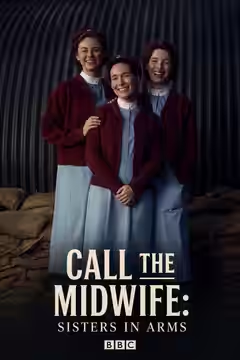
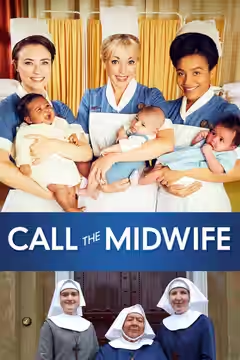
After stage work, Thomas moved into screen adaptations with Madame Bovary (2000) and I Capture the Castle (2003). Cranford helped establish her reputation for period ensembles; creating Call the Midwife (2012) gave her a continuing subject in the practical work of caring for other people. Pregnancy and childbirth in 1950s London require competence as well as sympathy, and the series understands how reassuring it is to be around someone useful. Her research draws on period archives, medical reports and newspapers. That attention suits a writer whose characters have a job to get on with.
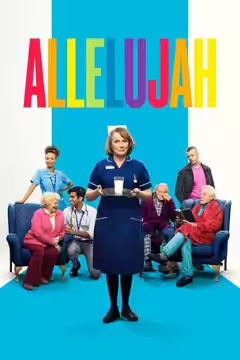
Allelujah (2023), her screen adaptation of Alan Bennett’s play for Richard Eyre, shows both the strength and the limit of this approach. We were moved by David Bradley and Russell Tovey at the hospital bedside because neither man can quite say what he needs to. Thomas writes a conversation that allows the father and son to avoid what matters; Eyre holds the shot and lets their averted eyes do some of the work. Elsewhere, the film’s wish to explain itself becomes overbearing. We cannot recommend it on the strength of that bedside scene.
The same urge to find a lesson sometimes softens the harder stories in Call the Midwife, although its performances usually make the comfort persuasive. Thomas is better when she gives people something to attend to than when she tells us what their care means. She notices the effort involved in keeping somebody else calm, or in maintaining standards when money is short. Those are substantial subjects for a drama, provided the writing leaves the actors enough to do. Start with Cranford, and give its opening time.
Biography
Heidi Thomas is an English screenwriter and playwright. She was born on 13 August 1962 in Garston, Liverpool. After reading English at Liverpool University, she first gained attention with her play Shamrocks and Crocodiles, which won the John Whiting Award in 1985.
Thomas is best known as the creator and writer of the BBC series Call the Midwife (2012–present). She has also written screenplays for the BBC adaptations of Cranford (2007–2009), Upstairs Downstairs (2010–2012), Little Women (2017) and Ballet Shoes (2007), as well as the film Allelujah (2023). She created the series Lilies (2007).
Thomas has received awards including the Royal Television Society Best Writer award and the Broadcasting Press Guild award for Cranford. She is married to actor Stephen McGann, who appears in Call the Midwife.