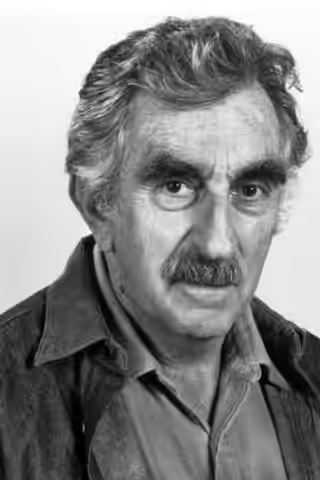
A face built for bad news: craggy, heavy-browed, with a voice made for sheriffs, judges and heavies. Jeff Corey was a supporting actor by trade and, by reputation, the man who taught several of the leads.
Fi1m perspective
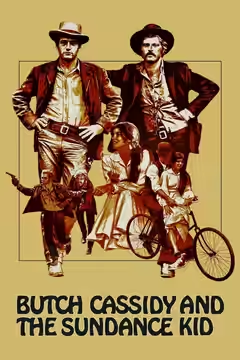
You know the face before you know the name. The features are craggy, the brows are heavy and the voice sounds as though it has already made up its mind about you. Jeff Corey spent most of his screen life in westerns and science fiction as the man who carries authority or stands in its way: sheriffs, judges, heavies. He is Sheriff Bledsoe in Butch Cassidy and the Sundance Kid (1969), given one long speech, and Tom Chaney, the villain of the piece, in True Grit the same year. Neither part is large. Both are the kind people remember.
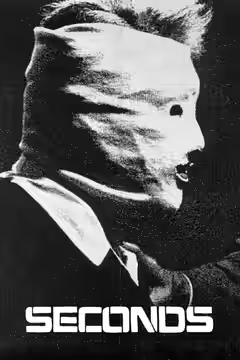
The career has a hole in the middle, and the hole explains the rest of it. Stage work in the 1930s, small film parts from 1938, a war in the Navy, then freelance character roles through the late 1940s. In 1951 he was blacklisted, and he did not work on screen again until 1962. He taught instead, and became a prominent acting coach; Jack Nicholson, Jane Fonda and Leonard Nimoy all passed through his classes. When he came back it was by the side door, an avant-garde adaptation of The Balcony (1963) and a part alongside other blacklisted actors in John Frankenheimer's Seconds (1966), before the westerns of 1969 and 1970 put him in front of a large audience again.
What he taught was subtext and imagination: what a character is thinking rather than saying, and where he was before the scene began. It is also what he did. He said he was glad of the diversity of his roles and thought himself "one actor who has not been pigeonholed or typecast", which is a generous reading of a filmography this heavy with lawmen, but the point holds in the playing. His sheriffs look as if they have held the job for years and do not expect to be thanked for it, and the same tiredness makes his villains plausible.
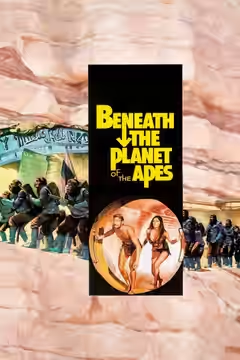
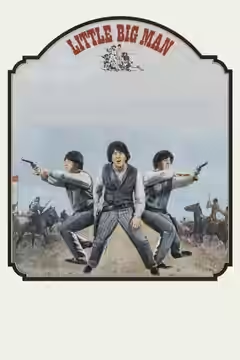
We have seen Butch Cassidy more often than most films, and the Bledsoe scene is the one place where the charm is switched off for a minute and somebody says something the heroes would rather not hear. We called the film padded. His is the one stretch we wanted longer. Beneath the Planet of the Apes (1970), where he is Caspay, gives him far less to work with, and we scored it 50; he does the job cleanly and the film moves on. Between the two he was Wild Bill Hickok in Arthur Penn's Little Big Man (1970), and he went on working in supporting roles, in film and on television, through the 1990s.
He once said that without the blacklist he might have become a director. We will never know what that cinema would have looked like; the classroom got those years instead. Start with the two westerns of 1969. He is on screen for a few minutes in each and you will not need to be told who he was.
Biography
Jeff Corey (born Arthur Zwerling; 10 August 1914 – 16 August 2002) was an American actor, television director and acting teacher. Born in Brooklyn, New York, he began his career in the late 1930s and appeared in films such as Frankenstein Meets the Wolf Man (1943). In the early 1950s he was blacklisted after refusing to cooperate with the House Un-American Activities Committee and turned to teaching acting.
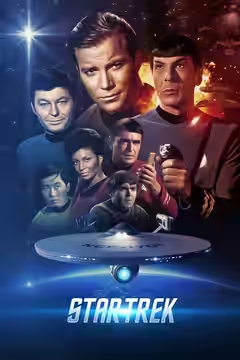
Corey resumed screen work in the 1960s and played numerous character roles. He appeared as Sheriff Bledsoe in Butch Cassidy and the Sundance Kid (1969), Plasus in the Star Trek episode "The Cloud Minders" (1969), Caspay in Beneath the Planet of the Apes (1970) and Grand Vizier in Conan the Destroyer (1984). He also directed episodes of television series.