Jesse Eisenberg makes quick speech reveal how badly someone needs to be right. We rate him highly when that need is allowed to become unpleasant; parts that ask only for the familiar nervous patter give us less to enjoy.
Fi1m perspective
In The Social Network (2010), Jesse Eisenberg delivers an explanation as though having to give it were a personal insult. His Mark Zuckerberg treats even a small exchange as something to win. We laughed at his dismissiveness, then felt uneasy because he had made treating people badly seem reasonable. David Fincher’s direction and Aaron Sorkin’s dialogue give that speed a purpose, while Eisenberg lets the loneliness show without asking us to forgive the cruelty. It is the performance to start with.
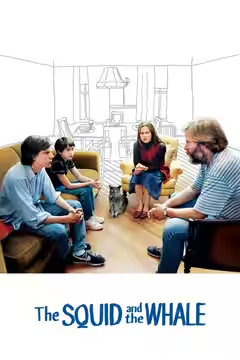
The eagerness was there in Noah Baumbach’s The Squid and the Whale (2005), where his Walt Berkman tries to sound adult before he knows what he thinks. Baumbach lets the boy be unpleasant, and Eisenberg does not soften him into an innocent observer of the adults. In Ruben Fleischer’s Zombieland (2009), the caution becomes useful comic timing. His Columbus narrates his survival rules with a restraint that gives Woody Harrelson’s enthusiastic Tallahassee something to push against, making a flimsy story worth the evening.
The limitation is how readily that delivery can become the whole part. As the voice of Dort in Minions & Monsters (2026), he supplies the familiar nervous patter. There is more pleasure in J. Daniel Atlas in Now You See Me: Now You Don't (2025): he still expects everyone to listen, but Eisenberg has made the arrogance funny rather than grating. That improvement cannot repair a film which explains its illusions until there is little pleasure left in them.
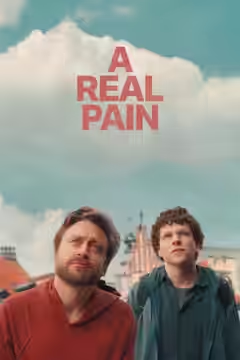
Writing and directing have given him more say in what surrounds that anxious man. A Real Pain (2024), his second film as director after When You Finish Saving the World (2022), is warmer and funnier than his debut. He casts himself as David Kaplan opposite Kieran Culkin’s Benji, and gives Culkin the more rewarding part. David has coped with adult life and would like some credit; Eisenberg plays that resentment honestly, though the script too often takes Benji’s side.
The early Warsaw scene shows how well Eisenberg can use his own restraint. While Benji gets the tour group posing among the bronze soldiers of a war memorial, David hangs back with the camera, visibly unhappy. The discomfort does not need explaining, which makes the later speech setting out David’s case feel unnecessary. Try A Real Pain for the two actors together, with the caveat that Culkin has been given much more to do.
Biography
Jesse Eisenberg is an American actor and filmmaker. Born on 5 October 1983 in New York City, he made his screen debut in the television series Get Real (1999–2000) and his first leading film role in Roger Dodger (2002).
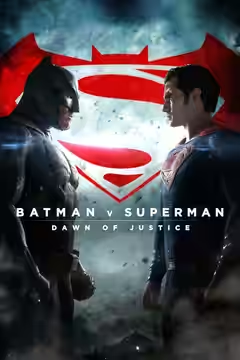
He received an Academy Award nomination for Best Actor for his performance as Mark Zuckerberg in The Social Network (2010). Other notable roles include Columbus in Zombieland (2009) and its sequel, J. Daniel Atlas in the Now You See Me films, and Lex Luthor in Batman v Superman: Dawn of Justice (2016).
Eisenberg wrote, directed and starred in A Real Pain (2024) as David Kaplan. He made his feature directorial debut with When You Finish Saving the World (2022). He has received Academy Award nominations for acting and screenwriting.