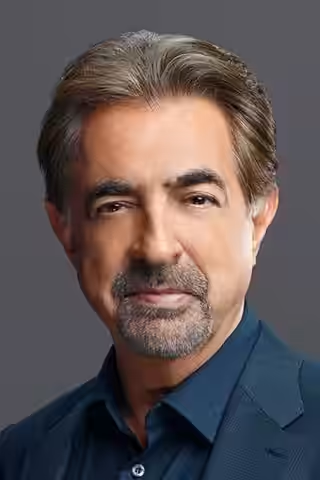
Joe Mantegna sounds like a man talking, not an actor reading, and he has spent forty years being cast as men who are lying while they do it. The mob boss became a habit; it was never the whole of him.
Fi1m perspective
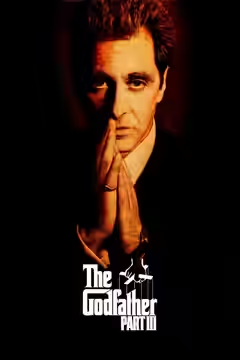
Look at Joey Zasa's suit. In The Godfather Part III (1990) Mantegna plays a street boss who has come up in the world and wants the world to notice, and the tailoring does half the work. He does the rest with his mouth. Zasa is vain, quick and less clever than he believes, and that is the Mantegna character: the man who talks well and is still going to lose. He has played versions of him on stage, on film and, for more than thirty years, as the voice of Fat Tony on The Simpsons.
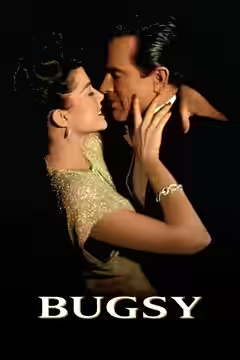
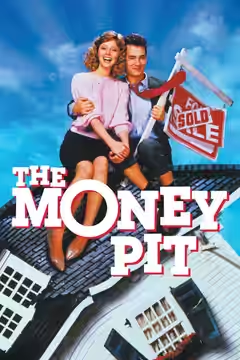
He came up on the Chicago stage from 1969 and spent the 1970s working with David Mamet, whose dialogue is all interruption and repetition and needs actors who can make it sound like people talking rather than a score. Mantegna could, and did, originating Richard Roma in Glengarry Glen Ross on Broadway in 1984. The films followed, The Money Pit (1986) among them, then Mamet's own House of Games (1987) and Things Change (1988). Then Coppola's The Godfather Part III, and Barry Levinson's Bugsy (1991), where he plays George Raft, an actor who made his living playing gangsters, a piece of casting with a joke folded into it.
What he does well is not seem to be doing anything. He does not push a line; he lets it out at the speed a person would, and the effect in a scene full of actors working hard is of someone who has wandered in from life. In The Godfather Part III we found ourselves waiting for Zasa to come back, in a film that badly needed something to wait for, because the vanity is so exact: the way he stands in the suit, the way he speaks as though he expects to be interrupted and has decided he will not be. Pacino is doing something larger and sadder in the same rooms, and Mantegna is wise enough not to compete.
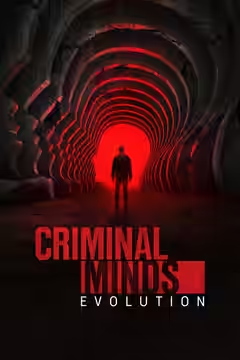
The cost was a decade of hoods and con men. Profiles at the time noticed how often the parts were the same, and the industry, having seen the Mamet hustler once, kept ordering it. Bugsy is a case in point: a good film, well cast, in which he is a face at the edge of the frame, and our review did not find him worth a sentence. Television gave him the other half of the character. Since 2007 he has played David Rossi in Criminal Minds, the authority figure his mob parts were always circling, and he has directed episodes as well.
Asked about directing Lakeboat he said, "I just tried to stay out of the cast's way," which describes his acting too. Start with Zasa. It is a supporting part in a film we only half recommend, and it is still the clearest picture of what he can do with a suit and a grievance.
Biography
Joe Mantegna is an American actor. Born in Chicago, Illinois, on 13 November 1947, he began his career on stage in Chicago productions including the 1969 musical Hair. He later won a Tony Award for Best Featured Actor in a Play for his role in the original Broadway production of David Mamet’s Glengarry Glen Ross (1984).
Mantegna has appeared in films including Three Amigos (1986), The Godfather Part III (1990) as Joey Zasa, and Bugsy (1991) as George Raft. On television he has played FBI Special Agent David Rossi in Criminal Minds since 2005 and voiced the recurring character Fat Tony in The Simpsons since the 1991 episode “Bart the Murderer”, reprising the role in The Simpsons Movie (2007). He has received Emmy Award nominations for miniseries roles in The Last Don (1997), The Rat Pack (1998) and The Starter Wife (2007).