A Paramount contract player who got the thankless parts and played the biggest too loud: the brother who wants to go home in Lost Horizon, the fiancé in The Philadelphia Story. Steadier as a B-picture hero; about the loud one, he agreed with us.
Fi1m perspective
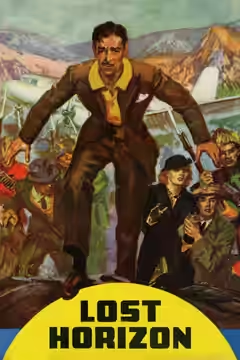
Halfway through Lost Horizon (1937), once the plot has sat down to listen, John Howard is the one still arguing. He plays George Conway, younger brother to Ronald Colman's diplomat, and George is the one man in the valley who wants to leave. It is the least grateful part in the film, because the film has decided paradise is a good idea and George keeps saying it is not. Howard plays him, as we said in our review, like a man shouting in a library. Colman does the whole of his part with his voice, tired and humorous; Howard has left his up.
He came to it as a Paramount contract player, signed in 1934, billed first as Jon Cox before the studio settled on John Howard. Lost Horizon was the picture that got him noticed, and Paramount promptly made him Captain Hugh 'Bulldog' Drummond, the English adventurer, in seven B-pictures between 1937 and 1939, beginning with Bulldog Drummond Comes Back (1937). He did not attempt an accent. He relied on clean diction and let the audience fill in the rest, which was a sensible decision for a man from Cleveland and one a good many actors since have not had the nerve to make. The Drummonds are quick, resourceful work, and they suit him.
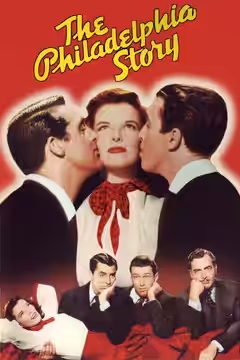
The A-features did not. The Philadelphia Story (1940) casts him as George Kittredge, Katharine Hepburn's fiancé, which in a comedy that also contains Cary Grant and James Stewart is not a position anyone would choose. It is the straight-laced, faintly pompous type the studios kept handing him, and our review of the film does not stop to mention him, which tells you how the part is built. Someone has to stand still so the others can be charming around him. Howard stood still.
We will be honest about Lost Horizon: George made us wince, and not in the way the film wanted. He is supposed to be the argument against staying, and what we got was a man shouting at people who had stopped listening. Howard, years later, saw it the same way: "Damn it, I thought I was too brash, too uncontrolled, too unbelievable. And I've wished always that I could go back and do it again." It is rare for an actor to review his own breakthrough more harshly than we did. It is rarer for him to be right.
After the war he went back to supporting film work, The High and the Mighty (1954) among it, and then to television, where he led Dr. Hudson's Secret Journal (1955-57) and Adventures of the Sea Hawk (1958) and kept up guest work into the 1970s. If you want to see what he could do, find a Drummond, where nobody asked him to argue with paradise. If you want to see what the studios thought he was for, watch him lose to Colman's voice in 1937 and then hold a fiancé's ground in 1940. It is not a glamorous career. It is a working one, and he worked.
Biography
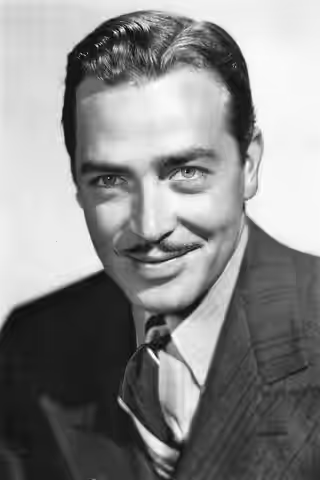
John Howard (born John Richard Cox Jr.) was an American actor. He made his screen debut in a bit part in Paramount's One Hour Late (1934) and became a contract player at the studio. He is best known for his roles as George Conway in Lost Horizon (1937) and George Kittredge in The Philadelphia Story (1940).
Howard starred as Bulldog Drummond in seven Paramount films between 1937 and 1939. After military service in the Second World War he appeared in supporting roles in features such as The High and the Mighty (1954) and worked extensively in television, including episodes of Perry Mason and The Rockford Files. He later taught acting.