Joss Whedon writes rooms full of people who answer back, and at his best the answering is why we stay. The same habit that makes his ensembles such good company also lets a joke in where a harder feeling ought to be allowed to sit.
Fi1m perspective
Somebody in a Joss Whedon script is about to say something terrible, and somebody else already has the reply. That is the sound of his work from Buffy the Vampire Slayer (1997) to The Avengers (2012): people who talk quickly, notice they are in a genre and say so, and would rather be clever than quiet. He once said, "I have abused language. I love it and I abuse it." He meant it fondly. So, mostly, do we.
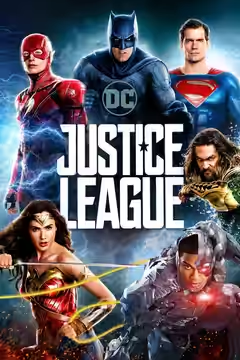
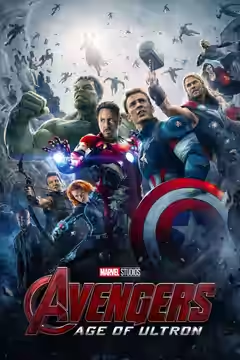
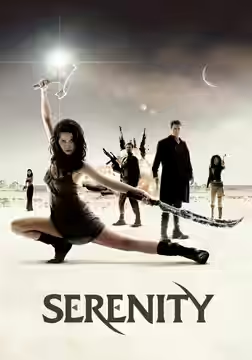
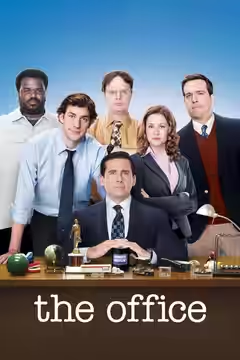
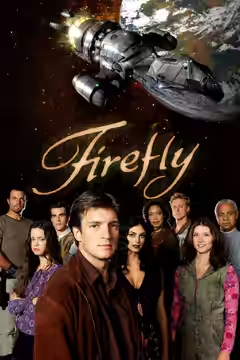
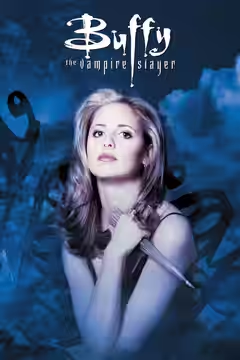
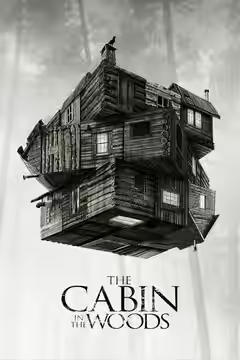
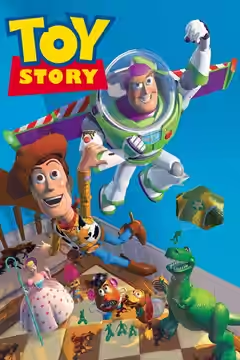
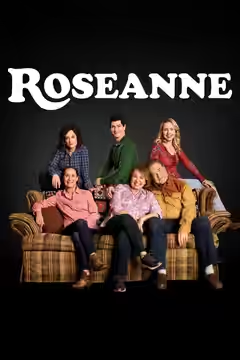
He began as a staff writer on Roseanne in 1989 and spent the early nineties as a script doctor on features such as Speed (1994) and Twister (1996). His name is on the screenplay of Toy Story (1995), with Joel Cohen, Alec Sokolow and Andrew Stanton, a script that trusts a family audience to recognise pettiness without pausing to explain it. Then television, where he had room. Buffy ran from 1997 to 2003, its spin-off Angel from 1999 to 2004, and Firefly (2002) was followed by Serenity (2005) on the big screen. He also directed episodes of other people's programmes, The Office and Glee among them. The Cabin in the Woods (2012), written with its director Drew Goddard, and The Avengers the same year took his voice into cinemas, and Avengers: Age of Ultron (2015), reshoots on Justice League (2017) and The Nevers (2021) followed.
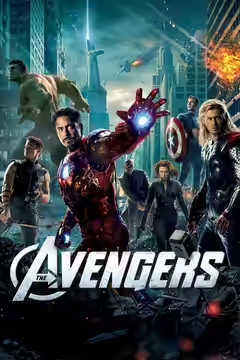
What he does well is company. In The Avengers he gives the actors things to enjoy about one another and reasons to be irritated, so Chris Evans's earnestness makes Robert Downey Jr.'s flippancy funnier, and we seldom find ourselves waiting for somebody to start hitting something. He does not use every joke to tell us how silly superheroes are, which is why the film can be wholehearted. Firefly makes room for post-war disillusionment and mental illness alongside the action, with Nathan Fillion, who has worked with him five times, at the centre of the crew. We were moved by it more than we expected, most of all in the stretches where the performers let weariness show through the humour and the script, for once, let them.
The reservation is the same every time. In Buffy the dialogue's eagerness to be clever gives everyone a similar supply of ready answers, and a joke can arrive just when a scene needs to stay with an unpleasant feeling. In Firefly a clever line is sometimes allowed to stand where a harder conversation ought to be, and the material about mental illness needs more care than that habit permits. Later, the complaints grew louder: Age of Ultron and the reshot Justice League were criticised for constructed dialogue and quipping that did not suit the material. We have not reviewed them and will not judge them here, but the complaint is one we recognise from the work we have.
Start with Firefly, then The Avengers, and give the Buffy pilot some patience in its second half. Go in ready to laugh, and notice the moments when the laugh arrives a beat too early. That is where the better programme would have been.
Biography
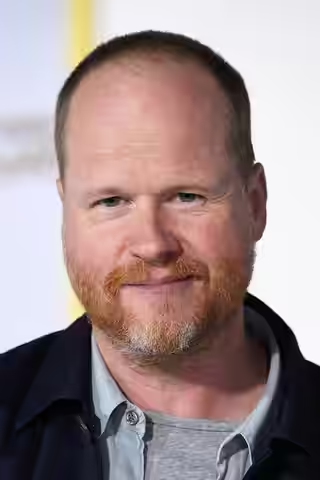
Joss Whedon, also credited as Joseph Hill Whedon, is an American writer, director and producer. Born in New York City on 23 June 1964, he is the son and grandson of television writers. He graduated from Wesleyan University in 1987 and began his career as a staff writer on the sitcom Roseanne.
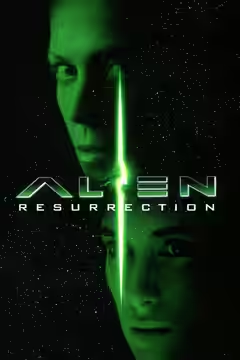
Whedon created the television series Buffy the Vampire Slayer (1997–2003), writing and directing multiple episodes. He later wrote and directed the film Serenity (2005) and wrote and directed The Avengers (2012). He has also contributed to films including Toy Story (1995) and Alien Resurrection (1997).