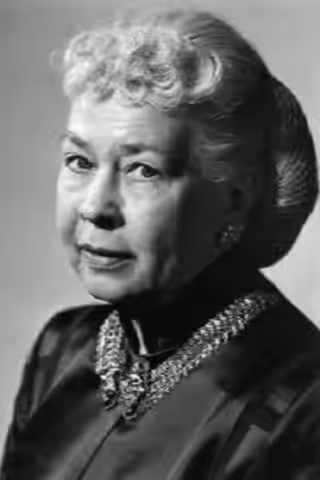
Kathleen Howard gives sharp timing and vocal weight to women whom the scripts expect us to find tiresome. We value her comic authority, though the writing often asks her to do little beyond finding fault.
Fi1m perspective
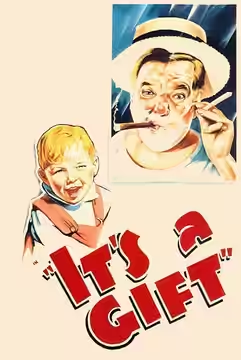
In It's a Gift (1934), Kathleen Howard's Amelia Bissonette is a formidable obstacle to her husband's comfort. W.C. Fields has a proper opponent in her: the voice carries a complaint without simply turning it into a shout. Her timing helps sustain the comedy, but the film seldom asks what might be troubling Amelia. We grew tired of the household because she and the children are so often there to bother the same man. The comedy is well worth that irritation, but Amelia could have been given something else to do.
Howard came to films after an operatic career, and that experience helps explain the projection and control in her delivery. Her screen debut was as Princess Maria in Mitchell Leisen's Death Takes a Holiday (1934). The Fields partnership continued with Man on the Flying Trapeze (1935), again casting her as a domineering wife. Housekeepers, dowagers and schoolmistresses offered variations on the same authority, rather than much escape from it.
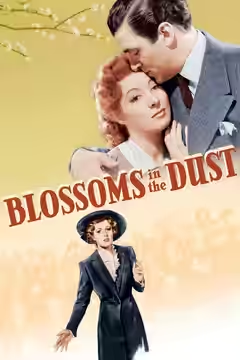
In Mervyn LeRoy's Blossoms in the Dust (1941), that authority becomes openly cruel. As Mrs. Sarah Keats, the mother who objects to Marsha Hunt's Charlotte, Howard plays the cruelty without any softening. The film pours sentiment over Greer Garson's heroine, but this brief appearance is allowed to be unpleasant. We would not recommend the film on her account alone, though the firmness of the performance is a virtue in a drama so eager to reassure.
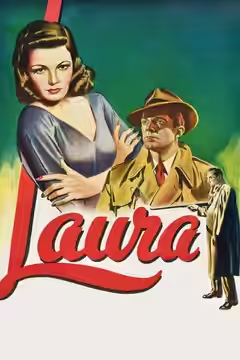
Howard Hawks's Ball of Fire (1941) gives her the prim housekeeper Miss Bragg, another part built around censoriousness. In Laura (1944), directed by Otto Preminger, she appears uncredited as Louise, Ann's cook. Smaller assignments draw on her ability to establish a woman through posture, voice and manner, although the scripts do not always supply much beyond those first impressions. Start with It's a Gift, but allow Amelia a little more sympathy than the film does.
Biography
Kathleen Howard (27 July 1884 – 15 April 1956) was a Canadian-born American opera singer, magazine editor and character actress. She began her operatic career in Europe, making her debut in 1907 at Metz and later performing at the Metropolitan Opera in New York from 1916 to 1928, where she created the role of Zita in the world premiere of Puccini’s Gianni Schicchi (1918). She also served as fashion editor of Harper’s Bazaar.
Howard made her film debut in Death Takes a Holiday (1934) and appeared in numerous Hollywood productions through the 1940s and early 1950s. She is noted for roles in It’s a Gift (1934), Ball of Fire (1941), Blossoms in the Dust (1941), You Were Never Lovelier (1942), Laura (1944) and Born to Be Bad (1950). She spent her childhood in Buffalo, New York, and is buried there in Forest Lawn Cemetery.