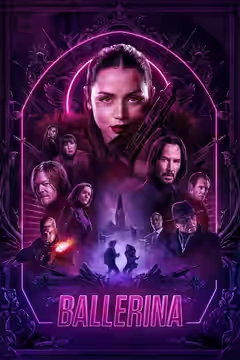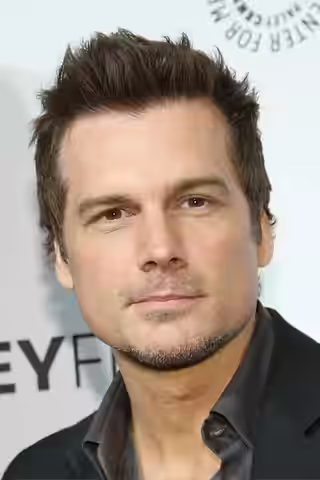
Len Wiseman builds a real set, stands the camera far enough back, and lets us watch something heavy fall. When that is all a scene needs, he is good. When a film needs a person to matter more than the wreckage, he has not yet managed it.
Fi1m perspective
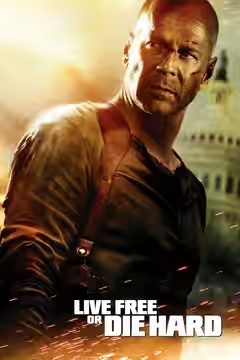
Near the end of Live Free or Die Hard (2007), John McClane, out of bullets, sends a police car up a toll-booth ramp and into a hovering helicopter. It is impossible, and it works, because Wiseman showed us the car, the ramp and the helicopter in one shot before he put them together. We laughed out loud, and we were still laughing when Willis explained himself afterwards. That is the Wiseman we like: a man who builds the thing and then trusts us to see it.
He came up through the art department, on Roland Emmerich's Stargate (1994), Independence Day (1996) and Godzilla (1998), and it shows in the best and the worst of him. His debut, Underworld (2003), which he also co-wrote, is all blue-black night and wet stone, and the look was strong enough to carry a franchise; he made the sequel, Underworld: Evolution (2006), and Kate Beckinsale has now made three films with him, Danny McBride has written two. Then came the Die Hard, Total Recall (2012), and a long stretch in television before Ballerina (2025) brought him back to features.
The habit that serves him is patience with a practical stunt. He storyboards his action heavily and would rather have a real set than a green screen, and when Cyril Raffaelli runs up a wall or Maggie Q fights McClane down a lift shaft, the camera is where it should be and Nicolas De Toth's cutting does not lose us. He has said, "I embrace limitations. The limitations of filmmaking are something that feels real," and in his good sequences you can see the point. The habit that fails him is scale. Live Free or Die Hard asks one cop to save the whole eastern seaboard, and the man gets lost in the country.
Ballerina is the clearest case. Ana de Armas earns the franchise and the film spends its first hour explaining why, in dialogue, and it is a slog. The idea that dance and killing are the same discipline is said several times and shown never. Set against Chad Stahelski's John Wick (2014), which held its shots wide and long so every hit could be counted, Wiseman's first half looks cramped; Stahelski is credited as a producer, and you can feel him in the last hour, once the flamethrowers come out. The night suits Wiseman. The wide shot, held, does not come as naturally to him as it should.
Most critics have him down as competent action product, and on the evidence of the two films we have reviewed we cannot argue hard. He is a reliable builder of the frame who has not yet made a film in which the people inside it matter as much as the set. His films tend to improve once the talking stops, which is a compliment to his stunt teams and a warning about his scripts.
Biography
Len Wiseman is an American film director, screenwriter and producer. Born in Fremont, California, he began his career in the art department on Roland Emmerich films including Stargate (1994), Independence Day (1996) and Godzilla (1998). He later directed music videos and commercials before making his feature debut with Underworld (2003), which he also co-wrote.
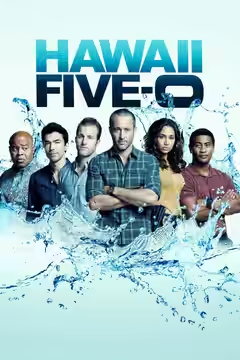
Wiseman directed the sequels Underworld: Evolution (2006) and Live Free or Die Hard (2007). He went on to direct Total Recall (2012) and served as producer on further entries in the Underworld series through his company Sketch Films. He has also directed television pilots including those for Hawaii Five-0 (2010), Sleepy Hollow (2013) and Lucifer (2016), and executive produced several series. In 2025 he directed the John Wick spin-off Ballerina.