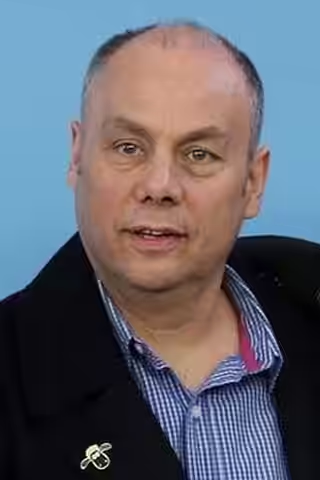
Mark Burton came out of television satire, where the job is finding the line, and has spent a quarter of a century at Aardman writing comedy in which nobody is allowed one. His best scripts are built in pictures; the weaker ones were built in rooms.
Fi1m perspective
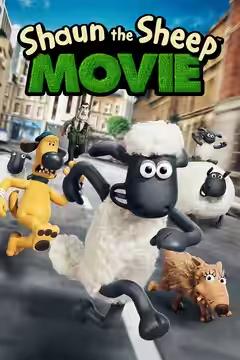
A farmer mumbles, a sheep bleats, and the plot moves on. Shaun the Sheep Movie (2015) runs eighty-five minutes through a whole city without a line of dialogue, and Mark Burton, who wrote and directed it with Richard Starzak, is a large part of why that is a writer's achievement and not a stunt. Every joke has to be set up in the frame and paid off in the frame, because nobody can explain it. We laughed, often, at the flock loose among people who cannot see what they are, because the film had done its work before each laugh arrived. The middle runs short of ideas. The rest does not.
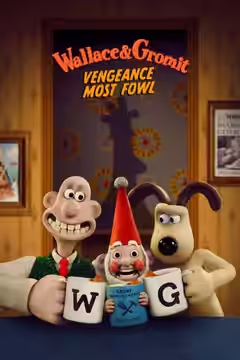
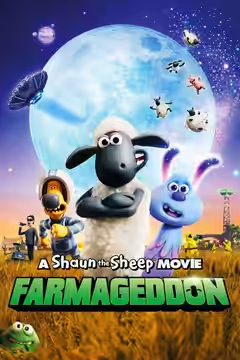
It is an odd place to have landed. Burton began in BBC radio and television comedy in the mid-1980s, lead writer on Spitting Image from 1989, often with John O'Farrell. That is a trade in lines: the quick one, the one that lands before the puppet has finished moving. He moved into features with additional dialogue on Chicken Run (2000) and the screenplay of Wallace & Gromit: The Curse of the Were-Rabbit (2005), and the same year supplied the original idea, with Billy Frolick, for Madagascar. Since then it has mostly been Aardman: A Shaun the Sheep Movie: Farmageddon (2019), Wallace & Gromit: Vengeance Most Fowl (2024) with Nick Park, and now the third Shaun.
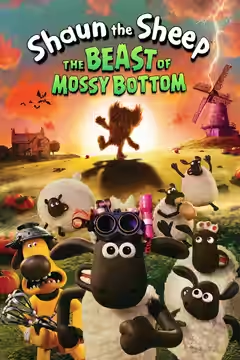
What he brought from satire was the habit of the gag rather than the gag itself. The Were-Rabbit screenplay, by Park, Steve Box, Bob Baker and Burton, works hardest in its sight gags; the puns are often obvious and there is nearly always something in the picture worth watching instead. That is the method: write the joke the camera can show, and let the words come second. Shaun the Sheep: The Beast of Mossy Bottom (2026), written with Giles Pilbrow for first-time directors Steve Cox and Matthew Walker, drops the flock into a monster film and made us laugh more often than most comedies that use words. It is also a long episode of the television programme.
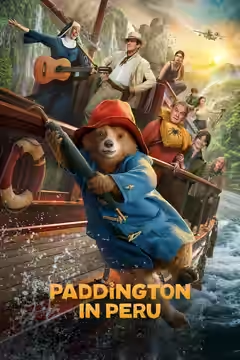
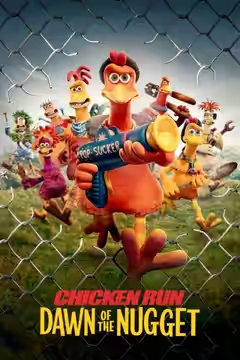
The weaker credits are the ones with the most names on them. Burton has described the outlining of Paddington in Peru (2024) as "almost like engineering", done with Dougal Wilson and other writers, and the film shows it: kind, brisk, handsomely made and the first of the three that plays like a sequel. Chicken Run: Dawn of the Nugget (2023) is neat and pleasant and finds the original's sharpness only once. Engineering produces things that stand up. It does not often produce things that surprise.
Start with Shaun the Sheep Movie, then Were-Rabbit, then Mossy Bottom if the first one took. He is a satirist who turned out to write best for characters who cannot talk, and we would not argue with where he ended up.
Biography
Mark Burton is a British screenwriter and writer. He has contributed to several Aardman Animations films, including additional material for Chicken Run (2000) and the screenplay for Wallace & Gromit: The Curse of the Were-Rabbit (2005). He also wrote for Madagascar (2005) and co-wrote Shaun the Sheep Movie (2015).
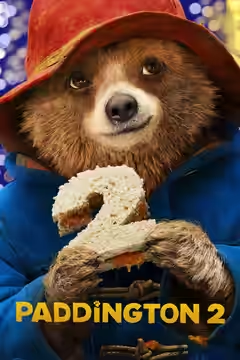
Burton worked on the Paddington film series, providing additional material for Paddington 2 (2017) and co-writing the screenplay for Paddington in Peru (2024) with Jon Foster and James Lamont, based on a story by Paul King, Simon Farnaby and Burton. He has an earlier background in British television and radio comedy, including writing for Spitting Image.