Martita Hunt played grand, unhappy women who owned the rooms they sat in, and British films gave her one part big enough to show it: Miss Havisham in David Lean's Great Expectations (1946). The rest were dowagers, done well, in too little time.
Fi1m perspective
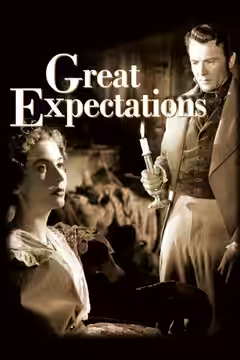
In Great Expectations (1946) John Bryan built Miss Havisham a house that wants its visitors gone, and Martita Hunt sits in it as though she had let the rooms go herself. Lean's film is crowded with things to look at, and she is the reason we keep looking at the person instead. She had played the part on stage in 1939, and it shows.
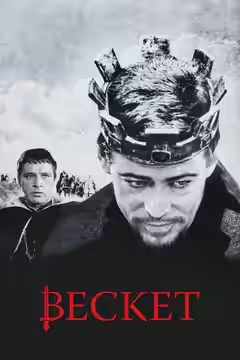
She came to the screen late by film standards. Repertory in Liverpool in the early 1920s, then the London stage, including an Old Vic season with John Gielgud in 1929–30, where some rated her Gertrude in Hamlet among the finest. Films came from 1932, in supporting parts, and supporting parts are what they stayed. The stage had already worked out what she was for: queens, dowagers, women who run a household and are miserable in it. After 1946 the grand ladies arrived in a line. Countess Aurelia in The Madwoman of Chaillot on Broadway in 1949, the Baroness von Livenbaum in Anastasia (1956), Baroness Meinster in The Brides of Dracula (1960), the Empress Matilda in Becket (1964).
The complaint about her later career is that she was typecast as eccentric or posh grande dames, and it is fair, though the fault lies with the people doing the casting, who found one thing she could do and asked for nothing else. Becket is the case in point. As Henry's mother she is there to be bellowed at by Peter O'Toole, and our review, rightly, spends its time on him. She does the job. There is not much job to do. She made two films with Alec Guinness and one with David Lean, and it was Lean who handed her the part that used everything she had.
We were frightened by her Miss Havisham as adults, which we had not expected. It was not the dress or the dust but the way she looks at the boy, as though he were something she had ordered and is still deciding whether to keep. The film around her is frightening and funny by design; she is the one thing in it that is only frightening.
Watch Great Expectations for her. The others are worth an evening if you enjoy seeing a good actor fill the frame for the minute she has been given, which is a smaller pleasure than it should have been. British cinema knew what it had and used it properly once.
Biography
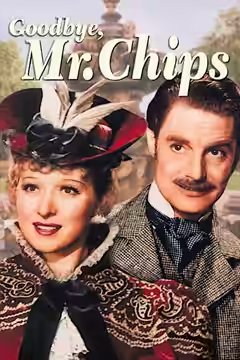
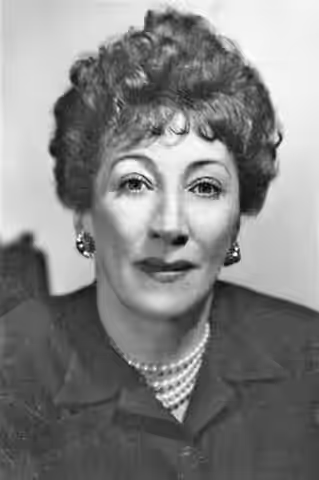
Martita Hunt was a British theatre and film actress. She appeared in supporting roles in numerous British films from the 1930s onwards, including Sabotage (1937), Goodbye, Mr. Chips (1939), The Story of Robin Hood and His Merrie Men (1952), Anastasia (1956), Bonjour Tristesse (1958), Becket (1964) and Bunny Lake Is Missing (1965).
She is best remembered for her performance as Miss Havisham in David Lean's Great Expectations (1946), a role she had previously played on stage. Hunt also had a notable stage career, including appearances with the Old Vic and a Tony Award-winning performance as Countess Aurelia in the 1949 Broadway production of The Madwoman of Chaillot.
Born in South America to British parents, she moved to England as a child and trained as an actress there. Hunt died in London in 1969.