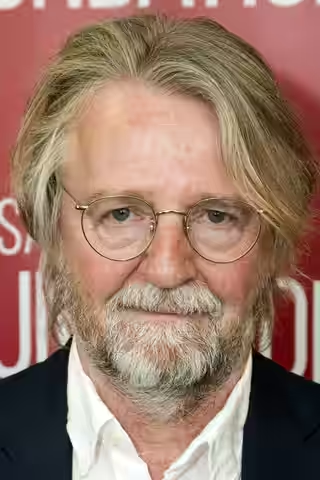
Michael Hirst makes historical drama worth following by giving the struggle for power a human cost. His characters can be absorbing; his dialogue too often tells us something and then tells us again.
Fi1m perspective
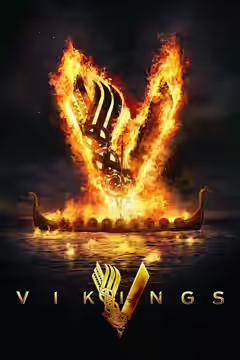
In Vikings (2013), a raid matters for more than who wins the fight. Michael Hirst wants to know who gets to command, whose customs prevail and how knowledge changes the balance of power. Those are good reasons to keep watching, and the performances give the fighting human consequences. His weakness is the urge to have characters explain these concerns, then stress them again. We rate his historical drama most when he lets the people become absorbing enough to carry our interest without that assistance.
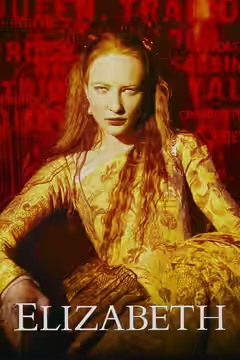
His screenplay for Elizabeth (1998), directed by Shekhar Kapur, is brisker and often witty. We were absorbed by the queen’s struggle to hold power because Cate Blanchett makes her alertness and vulnerability felt together. Hirst makes the pressures easy to grasp, and the film gives them a personal urgency. The cost of that clarity is that the people around Elizabeth can seem to be there chiefly to explain her difficulties. We understand the pressures they put on her more readily than we understand the beliefs that make them dangerous.
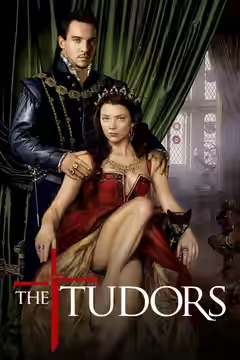
The turn to series creation with The Tudors (2007) gave Hirst longer to follow characters and competing storylines. He wrote all 38 episodes himself, then all 89 episodes of Vikings. That is a long time to keep several storylines moving without handing the writing to anyone else. Long-term historical adviser Justin Pollard supports his research, while Hirst’s recurring interest in religious and spiritual conflict gives him something to explore beyond the immediate struggle for command.
Hirst’s willingness to stay with his characters pays off in Vikings, where the early awkwardness eases as they become more absorbing. Travis Fimmel is a substantial part of the pleasure, and the battles and countryside give the series more to offer than its sometimes blunt conversations. Trevor Morris’s music sustains the pressure, although its insistence becomes tiring when the dialogue and action are already working hard. Start with Elizabeth for the brisker writing; give Vikings time if historical adventure is your evening’s choice.
Biography
Michael Hirst is an English screenwriter and producer. Born on 21 September 1952 in Bradford, West Yorkshire, he was educated at Bradford Grammar School, the London School of Economics and the University of Nottingham, where he received a First Class Joint-Honours Degree in English and American Literature. He also studied at Trinity College, Oxford.
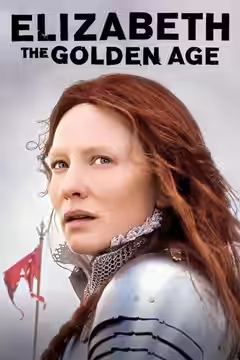
Hirst wrote the screenplay for the film Elizabeth (1998) and its sequel Elizabeth: The Golden Age (2007). He created, wrote and served as executive producer on the television series The Tudors (2007–2010) and Vikings (2013–2020). He has also worked on Vikings: Valhalla (2022) and Billy the Kid (2022).