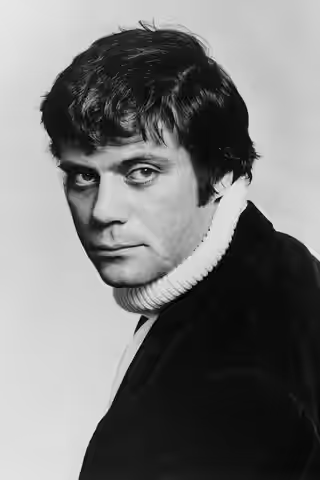
Oliver Reed did his best work standing still. A big man in a doorway, saying little, with a voice that arrived late and low, he made menace look like patience, and in the right hands he could make it tender too.
Fi1m perspective
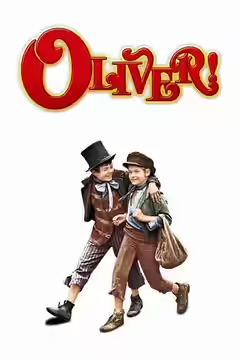
Bill Sikes arrives with a dog and a stare and the children go quiet. He hardly sings in Lionel Bart's musical of Oliver Twist (1968), and Carol Reed, who directed it and was his uncle, knew he did not need to. That was Reed's method for forty years: stand still, say very little, let the voice come when it comes, and leave the audience to work out what happens next. We went quiet with the children, and we were watching a U certificate.
He came up as an extra in the late 1950s after army service, with no training of any kind, and Hammer gave him his first proper parts between 1960 and 1963, The Curse of the Werewolf (1961) among them. The Bart musical made him. Women in Love (1969), the following year, showed what else he could do: Gerald Crich is intense and tender at once, and the wrestling scene is the one people remember. Ken Russell directed it, and the two of them made nine films together, including The Devils (1971), where Reed's Grandier is handed long speeches and delivers them without a wasted breath. He worked six times with Michael Winner and three with Richard Lester, playing Athos in The Three Musketeers (1973) and its sequel. He put the arithmetic plainly himself: "Hammer films had given me my start and Michael Winner my bread then Ken Russell came on the screen and gave me my art."
The menace was the trade and it was a good one. He was best as men with authority or a taste for violence, and usually both: Sikes, Athos, the doctor in David Cronenberg's The Brood (1979). The 1980s were thinner. Many of the films were small and some went straight to video, and for a stretch the man was better known than the work. That is the criticism that sticks, and it is fair: not that he was bad in them, but that he was in them at all.
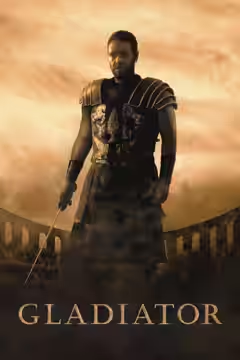
Then Gladiator (2000). Proximo is a gruff trainer of gladiators and Reed plays him bluntly, which the film needs; Ridley Scott's Rome takes itself seriously and Proximo keeps letting the air out. Reed died in 1999 before shooting finished, and the part was completed with digital effects. You cannot see the join, and it is a good last thing to have done.
Start with the musical, for the stare, and go on to Women in Love to see what the stare could do when someone asked more of it. He never went to drama school, and it shows in the best way: nobody taught him to fill a silence, so he left it alone.
Biography
Oliver Reed was an English actor. Born Robert Oliver Reed on 13 February 1938 in Wimbledon, London, he died on 2 May 1999 in Valletta, Malta.
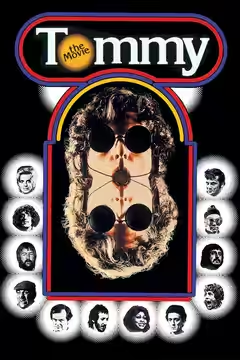
He appeared as Father Urbain Grandier in The Devils (1971) and as Proximo in Gladiator (2000), his final film role, for which he received a posthumous BAFTA nomination for Best Actor in a Supporting Role. Other notable performances include Bill Sikes in Oliver! (1968), directed by his uncle Carol Reed, Athos in The Three Musketeers (1973) and The Four Musketeers (1974), and roles in Women in Love (1969), Tommy (1975) and The Brood (1979).