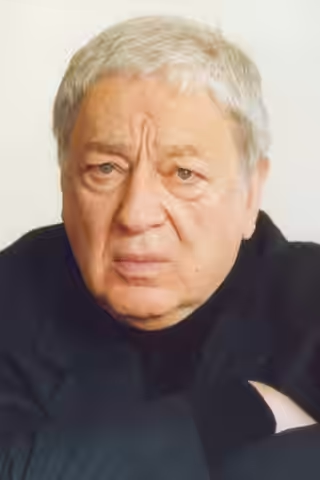
Paolo Bonacelli spent six decades playing men with a little power and a large appetite for it: podestàs, priests, doctors, dukes. He was never the lead and never needed to be.
Fi1m perspective
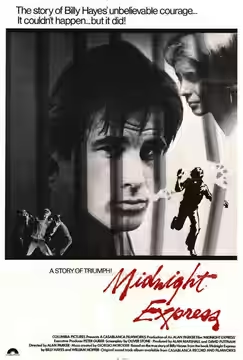
Rifki, in Midnight Express (1978), is all smiles and ledgers, and he would like you to think well of him anyway. Paolo Bonacelli plays him without once raising his voice, and that is the trick of nearly everything he did on screen: officials, priests, doctors, dukes, men handed a small amount of authority who hold on to it with both hands. The stage-trained voice did most of the work. He could make a petty man sound as if he were reading out a decree.
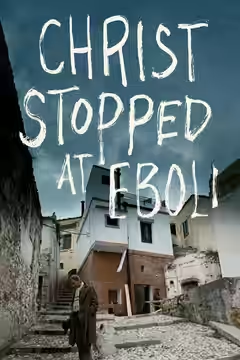
He trained at the National Academy of Dramatic Arts in Rome and made his stage debut in Vittorio Gassman's Questa sera si recita a soggetto in the early 1960s; his first film, Corpse for the Lady, came in 1964. The 1970s made his name. Pasolini cast him as the Duke in Salò (1975), a part that stuck to him for years, and within four years he had gone from that to Alan Parker's prison in Midnight Express, Francesco Rosi's exile village in Christ Stopped at Eboli (1979) and Tinto Brass's Caligula (1979). Four films, four kinds of power, all of them going bad.
Rosi got the best of him. Don Luigi Magalone, the podestà of the village where Carlo Levi is held, is a vain, sentimental little man who cannot decide whether his prisoner is a burden or the most distinguished guest the town has ever had, and Bonacelli plays both halves at once. We laughed at him, and then felt a bit mean about it, because the vanity is so plainly his way of getting through the day in a place nobody chose to live. It is a small part in a long film and we remember it more clearly than most of the film's four hours. Rifki is a proper piece of villainy, and we said so; but Oliver Stone's script paints every Turk in the same dark shade, and Bonacelli's skill made that easier to swallow than it should have been. He was better than the job the film gave him.
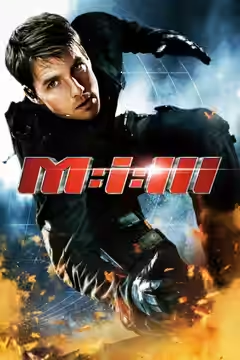
Then he turned funny. Roberto Benigni used him three times, as Leonardo da Vinci in Nothing Left to Do But Cry (1984) and as D'Agata in Johnny Stecchino (1991), and the same weight he brought to the Duke made the comedies land, because a pompous man is funnier when he sounds the part. Jim Jarmusch put him in a taxi as a priest in Night on Earth (1991). Later came the Hollywood calls, Mission: Impossible III (2006) and Father Benedetto in The American (2010), and Italian work on stage and screen into the 2020s. The obituaries called him a supporting actor as if the word needed apologising for. It does not.
If you know him only as the Duke, watch the podestà. It is the same actor doing the same thing, a man in love with his own small office, and it is a far kinder evening.
Biography
Paolo Bonacelli was an Italian stage and film actor. He trained at the National Academy of Dramatic Arts in Rome and made his stage debut in a production directed by Vittorio Gassman. His first film role came in 1964.
Bonacelli appeared as the Duke in Pier Paolo Pasolini's Salò, or the 120 Days of Sodom (1975), as Rifki in Midnight Express (1978), and as Cassius Chaerea in Caligula (1979). He also featured in Night on Earth (1991), Johnny Stecchino (1991), for which he received the Nastro d'Argento for Best Supporting Actor, Mission: Impossible III (2006), and The American (2010). He died in Rome on 8 October 2025.