Peter Chelsom makes films about people who want something slightly foolish and talk everyone else into helping, and he likes them too much to be strict with them. In the early British comedies that fondness is the pleasure; the studio years turned it into something safer.
Fi1m perspective
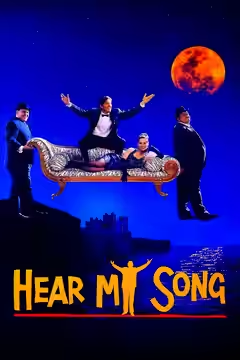
In Hear My Song (1991) a nightclub owner called Micky O'Neill spends the whole film talking people into things: a booking, a romance, a search for the singer Josef Locke. Adrian Dunbar plays him with just the right degree of impudence, and Peter Chelsom, who wrote the script with him, plainly enjoys watching a man whose enthusiasm runs ahead of his sense. That is the Chelsom film in one character. He likes performers, he likes people chasing something fanciful, and he likes them a little more than the story can bear. We found ourselves caring whether Locke would be found, and it was Dunbar's eager persistence that did it, not John Altman's music, which keeps nudging us towards a feeling we already had.
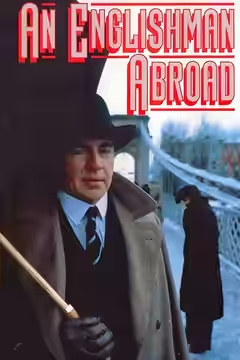
Chelsom was an actor first, on stage with the RSC, the National Theatre and the Royal Court, and on screen in small parts such as Giles in An Englishman Abroad (1983), before he turned to writing and directing with the short Treacle (1988). The acting shows. He gives his cast room, and his best films are built around what a performer can do with it: Dunbar in Hear My Song, and the comedians of Funny Bones (1995), set in the Blackpool he was born in, where the jokes sit next to something darker without the film stalling. That early run, rooted in the seaside and the music hall, is where we would send anyone new to him.
Hollywood followed, and the films got smoother. The Mighty (1998) kept the scale small, but Serendipity (2001), Shall We Dance? (2004) and Hannah Montana: The Movie (2009) are studio pictures, polished and conventional, and the affection for performers that gave the British films their character became a general pleasantness. Town & Country (2001) was a troubled production that did his reputation no good at the time. Since then he has drifted back towards smaller things, several of them co-written and often with Tinker Lindsay, his regular screenwriter: Hector and the Search for Happiness (2014), The Space Between Us (2017), the Italian-language Security (2021) and A Sudden Case of Christmas (2024).
He began as a photographer, and he has said that when setting up a scene he asks himself, "Is this working as a still photograph before anyone has started acting?" You can see the care in Hear My Song, where Sue Gibson's cinematography and Caroline Hanania's design make a small community somewhere you want to stay. The recurring fault is the opposite of carelessness. Martin Walsh's editing lets the comic detours wander because Chelsom cannot bear to leave agreeable company, and the music tells us what to feel after the actors have already done it. Watch Hear My Song first. If you can forgive it its affection, the rest of him will make sense; if you cannot, you will not get far.
Biography
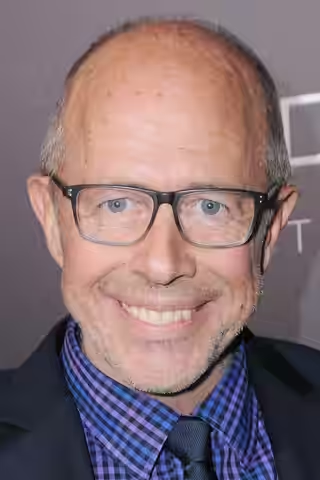
Peter Chelsom is a British film director, writer and actor. Born in Blackpool, Lancashire, he trained at the Central School of Drama in London. He began his career as an actor, appearing in leading roles with the Royal Shakespeare Company, the Royal National Theatre and the Royal Court Theatre, as well as in film and television productions.
Chelsom made his feature directorial debut with Hear My Song (1991), for which he also wrote the story and co-wrote the screenplay with Adrian Dunbar. The film received an Evening Standard British Film Award for Most Promising Newcomer. Subsequent directing credits include Funny Bones (1995), The Mighty (1998), Serendipity (2001), Shall We Dance? (2004), Hannah Montana: The Movie (2009) and Hector and the Search for Happiness (2014). From 1985 to 1998 he ran the film course at the Central School of Drama and later taught at the Actors' Institute and Cornell University.