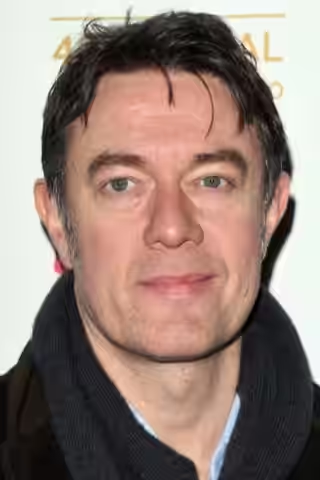
Peter Straughan is the screenwriter you call when the novel is too clever to film. He finds the quiet man in the corner, gives him the best lines and cuts the rest; superb when the book is deep, only handsome when it is not.
Fi1m perspective
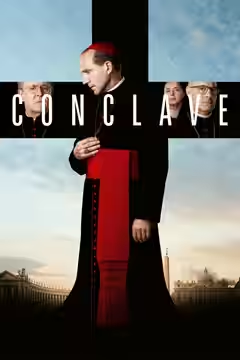
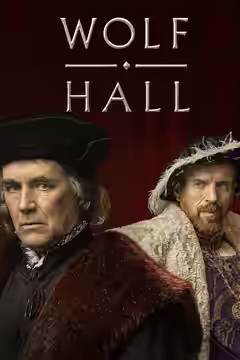
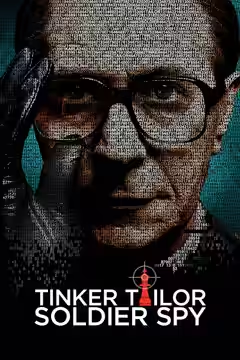
Watch what Peter Straughan does with a room full of important men. In Wolf Hall (2015) the King talks and Cromwell listens. In Tinker Tailor Soldier Spy (2011) the spies argue and Smiley sits still. In Conclave (2024) the cardinals scheme and Cardinal Lawrence would rather be anywhere else. Straughan writes for the man in the corner, and his scripts are built around what that man notices and when he decides to speak. The best lines are dry remarks, and the actors are trusted to deliver them without changing their expression.
He came to films sideways, by way of a bass guitar in a Newcastle band and a residency at Live Theatre, and the early features, Sixty Six (2006) and Mrs Ratcliffe's Revolution (2007), gave little warning of what followed. What followed was adaptation of the hardest sort: long, admired novels that people said could not be filmed. With Bridget O'Connor, his writing partner on three films, he cut le Carré to 127 minutes. On his own he cut two of Hilary Mantel's Cromwell books into six hours of television, and came back for the sequel in 2024. Robert Harris's Vatican thriller followed. He calls the job "a thousand small choices", and that is what it is: scene by scene, deciding what can go.
It works best when the book is deep enough to survive the cutting. Wolf Hall is the case for him. He found the jokes in Mantel, gave Cromwell a dry remark for most occasions and let Mark Rylance deliver them a second late, so that the scenes at Cromwell's own table are warmer and funnier than anything at court. That is a musician's timing, and we doubt it is an accident. Tinker Tailor is nearly as good, though the compression shows. Dino Jonsäter's editing jumps between times and the script assumes we can keep up, and for a stretch we were working out when a thing happened instead of what it meant to the person it happened to.
The trouble comes when the book is thinner than the treatment. Conclave moves by revelation, a document or a rumour each round, which is good airport-novel machinery, but the script keeps stopping to tell us it is about doubt, when the problem is always a secret and secrets get found out. At the last reveal we laughed out loud, and not entirely with the film: a serious idea had been handled as a punchline, and all the quiet corridor-walking before it had not earned that. We have not reviewed The Snowman (2017), his second film with Tomas Alfredson, or The Goldfinch (2019); the reviews for both were mixed, and the complaints were about tone and pace, which are the writer's choices.
Give him a still man at the centre of a long book and he is as good as any adapter working. Start with Wolf Hall, and put the phone away.
Biography
Peter Straughan is an English screenwriter. He was born in 1968 in Gateshead and began his career as a musician before studying at Newcastle University. He served as writer-in-residence at Newcastle's Live Theatre Company, where several of his plays were staged.
Straughan has written screenplays for films including The Men Who Stare at Goats (2009), The Debt (2010), Tinker Tailor Soldier Spy (2011, co-written with his late wife Bridget O'Connor), Frank (2014), The Snowman (2017), The Goldfinch (2019) and Conclave (2024). He also adapted Hilary Mantel's Wolf Hall novels for the 2015 BBC series and its 2024 sequel.
He received BAFTA Awards for Best Adapted Screenplay for Tinker Tailor Soldier Spy and Conclave, and an Academy Award for Best Adapted Screenplay for Conclave.