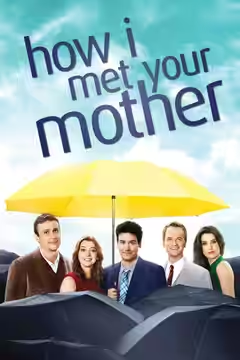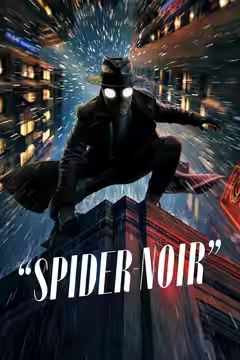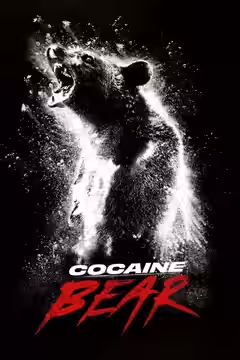
Phil Lord writes studio comedies that admit what they are and reward you for noticing: fast, dense, kind to ordinary people, and nearly always a quarter of an hour too long. The Spider-Verse scripts are his best work.
Fi1m perspective
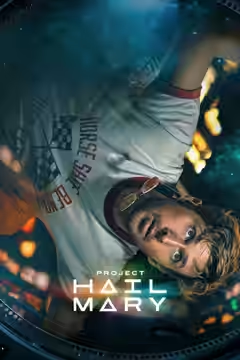
Somewhere in every film Phil Lord has written, the film stops and admits what it is. The Lego Movie (2014) turns out, late, to have been a boy's game on his father's table. Spider-Man: Into the Spider-Verse (2018) tells the same origin story several times over and makes the repetition the joke. Ryland Grace in Project Hail Mary (2026) wakes up not knowing his name or that he is on a spaceship, and works it out at the same speed we do. Lord and his partner Christopher Miller like an audience that knows it is being played to, and they like to pay it back for paying attention.
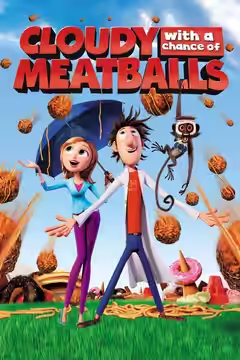
They came up through television, co-creating Clone High (2002); their first feature was Cloudy with a Chance of Meatballs (2009), and 21 Jump Street (2012) moved them into live action. The Lego Movie is where the manner set: a gag every forty seconds, a plot built out of borrowed pieces, and underneath it a plain affection for people who want to fit in. It is funny and generous and it wears you out, and that has been our note on nearly everything since. The Lego Movie 2: The Second Part (2019), with the script kept and Mike Mitchell directing, is the same trick a second time; we liked it less and reached for the pause button by the hour mark.
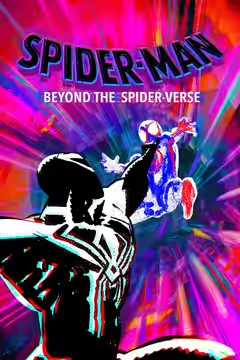
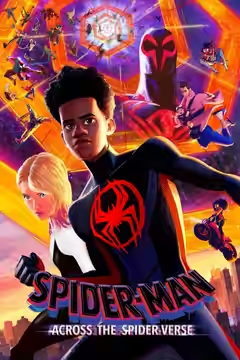
The Spider-Verse films are the best of the writing. With Rodney Rothman on the first, Lord found a way to be that fast and that dense without exhausting us, because the scenes between Miles and Peter B. Parker are allowed to be patient while everything around them is not. Spider-Man: Across the Spider-Verse (2023), written with Miller and David Callaham, is better looking and stranger, spends a good deal of its 140 minutes explaining rules, and is half a story. Lord has said that a writer's job is not to follow the canon but to make something new, and on this evidence he means it.
What is new is patience. Project Hail Mary, which he and Miller directed from Drew Goddard's script, turns the jokes down for a long stretch in which a man and a puppet work out how to say yes, no and eventually friend, and it moved us more than we expected, because the puppet has weight and Gosling flinches when it moves and so did we. It also runs 157 minutes and earns perhaps 120. The one steady complaint about Lord is length, and his departure from Solo: A Star Wars Story (2018), over a way of working that improvised more than a production that size could take, looks like the same instinct seen from the other side: keep adding. When he cuts, he is as good as anyone writing studio films. He does not cut often enough.
Biography
Phil Lord is an American filmmaker, writer, director and producer. He frequently collaborates with Christopher Miller. Lord graduated from Dartmouth College in 1997.
With Miller, he created the animated series Clone High (2002–2003, 2023–2024). They wrote and directed the films Cloudy with a Chance of Meatballs (2009) and The Lego Movie (2014), and directed 21 Jump Street (2012) and 22 Jump Street (2014). They produced Spider-Man: Into the Spider-Verse (2018), which won the Academy Award for Best Animated Feature, and Spider-Man: Across the Spider-Verse (2023).
Lord and Miller have produced Strays (2023) and Cocaine Bear (2023). They directed and produced Project Hail Mary (2026).