Philip Martin's television work is worth watching for its attention to people under pressure. The Crown makes a strong case for his patience with actors, though its solemnity sometimes lets scenes drag.
Fi1m perspective
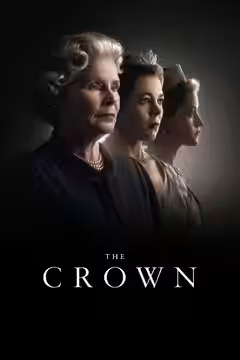
In The Crown (2016), the formal rooms make relaxation look like a breach of etiquette. Philip Martin directed seven episodes across its first two series, and the discomfort of private lives conducted under royal rules gives us a useful way into his work. We value the patient attention to people here, though the solemnity can slow a scene beyond any useful purpose. This is a shared production, so its successes and weaknesses cannot all be assigned to one director.
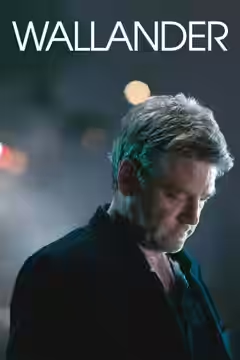
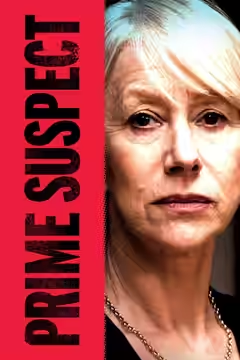
Hawking (2004), with Benedict Cumberbatch, was an early example of Martin directing an actor in a biographical role. Wider recognition followed with Prime Suspect: The Final Act (2006) and Wallander (2008). Catherine the Great (2019) continued the historical television work. The features, The Forger (2014) and Scoop (2024), do not displace television as the centre of this career. What interests us is how well he lets behaviour explain the pressure on a character.
Martin Childs's production design gives The Crown rooms in which people struggle to look at ease. With Adriano Goldman among the cinematographers, the distance between people in the frame becomes uncomfortable. Michele Clapton is among the costume designers who make the characters look dressed for inspection. These are useful choices: the rooms and clothes help explain the strain without another speech about duty.
With Yan Miles among the editors, however, the series sometimes lets a pause run on after its emotional point is clear. The music, credited to Rupert Gregson-Williams, Martin Phipps and Lorne Balfe, can lend a modest family disagreement more gravity than it deserves. We grew restless in those stretches of The Crown, because the prolonged scenes and musical emphasis kept pressing a point we had already understood. The quieter passages give us more room to respond to the performances. We recommend The Crown as an introduction to Martin, with fair warning that not every pause rewards the time it takes.
Biography
Philip Martin is a British television director and screenwriter. He has directed episodes of numerous drama series, including seven episodes of The Crown (2016–17) and the final instalment of Prime Suspect (2006).
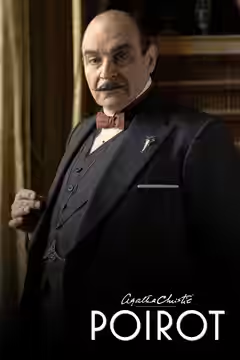
His other credits include the television films Hawking (2004) and Einstein and Eddington (2008), two episodes of Wallander (2008), Mo (2010), an episode of Agatha Christie's Poirot (2010), Birdsong (2012), the feature film The Forger (2014), Catherine the Great (2019), Night Sky (2022), Scoop (2024) and episodes of The Agency (2024). He wrote and directed the documentary Double Helix: The DNA Years (2004).
Martin won the Primetime Emmy Award for Outstanding Directing for a Miniseries, Movie or Dramatic Special for Prime Suspect: The Final Act and received further Emmy nominations for Wallander and as executive producer on The Crown.