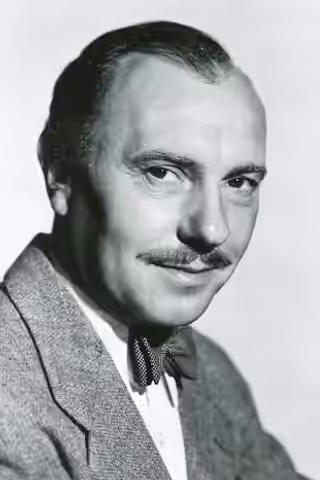
Ralph Richardson never asked for the centre of the frame and usually ended up with it anyway. A stage actor who took film as a second job, he made doctors, butlers and fathers more interesting than the heroes they stood beside.
Fi1m perspective
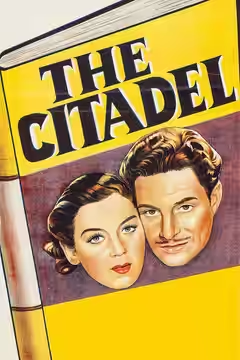
In The Citadel (1938), Ralph Richardson's Dr Denny sits across a bottle from Robert Donat and argues about a sewer. He knows the valley is killing its patients, he has stopped expecting anyone to care, and he drinks with a kind of scholarly thoroughness. He does not raise his voice. He barely moves. The scene is his, and so is the first hour of the film, and it is not the film's hero who has it.
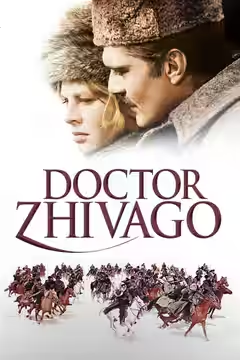
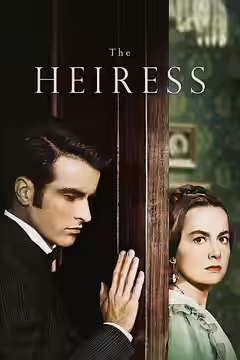
That was Richardson's trade on screen for about fifty years. The stage came first: a professional debut in 1921, the Birmingham Repertory Theatre, the Old Vic from 1930, and after wartime service in the Fleet Air Arm he ran the company with Laurence Olivier. Film he fitted in around it, mostly in supporting parts, and the usual complaint is that he never gave it his full weight. We do not think that is quite right. He preferred character parts to romantic leads, and the parts he chose, Baines the butler in The Fallen Idol (1948) for Carol Reed, Dr Sloper in The Heiress (1949), James Tyrone in Long Day's Journey into Night (1962), Alexander Gromeko in Doctor Zhivago (1965), are where the reputation sits. They are not small parts badly attended to. They are the parts he wanted.
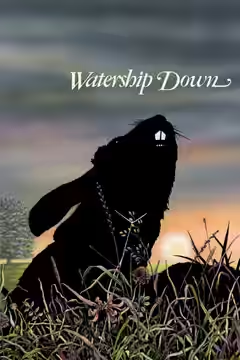
What he did in them was watch. Richardson's characters notice things before they say them, and much of the acting is in the gap. His voice did a good deal of the work too, which is why he survives so well in Watership Down (1978), where the drawn faces hardly move and Martin Rosen leaves the actors to carry the characters. He has two scenes as the Chief Rabbit and fills them with well-fed indifference, a leader who has eaten well for a long time and sees no reason the warren should be any different tomorrow. It is a complete character in a handful of lines.
The Citadel is where he got us. Donat and Richardson argue over that bottle as if they have known each other for years, and the film had introduced them a few minutes before. We believed the friendship entirely, and by the end of the valley scenes we liked Denny rather more than we liked Manson, which we doubt King Vidor intended. Richardson did this often: he would be the best thing in a film that then went somewhere less interesting without him, and the London half of The Citadel is the proof.
He once said that acting is merely the art of keeping a large group of people from coughing. On screen he kept us from looking anywhere else, which for a man who rarely took the lead is a stranger achievement. Start with The Citadel, and stay in the valley.
Biography
Sir Ralph David Richardson (19 December 1902 – 10 October 1983) was an English actor. He became known for his stage work in the 1930s and, with Laurence Olivier, ran the Old Vic company in the 1940s. He continued to appear on stage and in films into the early 1980s.
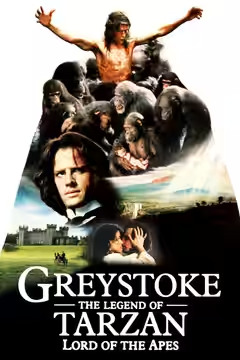
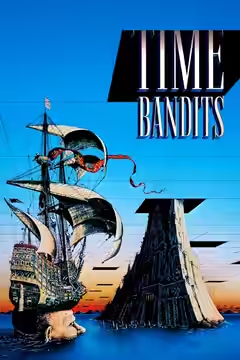
Richardson provided the voice of the Chief Rabbit in the animated film Watership Down (1978). Among his other screen roles were Alexander Gromeko in Doctor Zhivago (1965), the Supreme Being in Time Bandits (1981), the Librarian in Rollerball (1975), Simeon in Jesus of Nazareth (1977), and the Sixth Earl of Greystoke in Greystoke: The Legend of Tarzan, Lord of the Apes (1984). He was knighted in 1947.