Ryan Reynolds makes wisecracks sound like requests to be liked, and that trace of need keeps his swagger tolerable. His timing makes Deadpool worth an evening, but the familiar patter grows tiring when the script has little else.
Fi1m perspective
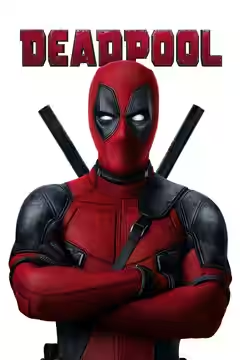
In Deadpool (2016), Ryan Reynolds interrupts the violence to address the camera, keen to have us appreciate how he is doing. We laughed because he made that need for approval feel so cheerfully inappropriate. Tim Miller gives him room to be fast, rude and a little anxious, and the anxiety matters: Wade wants to be liked even while killing people. The familiar superhero story and repeated jokes limit the film, but Reynolds makes it worth the evening.
The charming slacker was established by his breakthrough in National Lampoon's Van Wilder (2002), with romantic-comedy leads such as The Proposal (2009) following. His dramatic turn in Mississippi Grind (2015) sits outside that familiar comic persona. But Deadpool, which he helped develop, became his signature part. It gave his habit of courting the audience a character who could do it openly.
The first Deadpool also has colleagues who know how to support that delivery. Julian Clarke’s editing breaks up the origin story, while Ken Seng shoots the fights clearly enough for the physical jokes to register. Miller understands that we need to follow the movement even when Reynolds will not stop talking. Sean Haworth’s sets and Tom Holkenborg’s score mostly stay out of Reynolds’s way, which suits a comedy so dependent on him. The swearing and gore are less dependable sources of laughter.
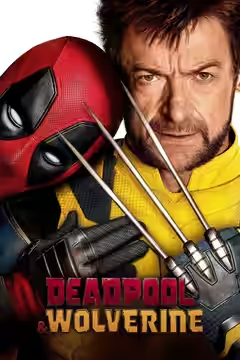
By Shawn Levy’s Deadpool & Wolverine (2024), that eagerness has become wearing. Reynolds remains funny in bursts, and editors Shane Reid and Dean Zimmerman make the opening dance-and-fight routine land by cutting the hits to the beat. But the repeated jokes about the film’s own existence leave him acknowledging contrivances that the script ought to have repaired. Hugh Jackman’s Logan supplies the feeling, and Reynolds’s contribution as a writer makes it harder to excuse how often his character repeats himself.
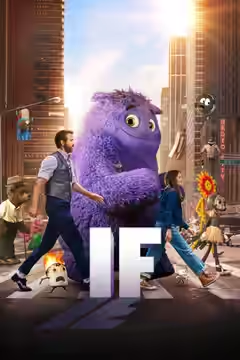
IF (2024) shows why simply removing the smirk is no solution. John Krasinski asks Reynolds to play Cal with less of his usual cheek, but gives the man matching imaginary friends to children no clear reason to do it. We found him thinly written rather than miscast; there is little for the actor to want, pursue or resist. For an evening in his company, we would still choose Miller’s Deadpool.
Biography
Ryan Reynolds is a Canadian actor, producer and writer. Born in Vancouver, British Columbia, on 23 October 1976, he began acting at the age of thirteen and had his first lead role in the Canadian television series Hillside (1991–1993). He later starred in the American sitcom Two Guys and a Girl (1998–2001).
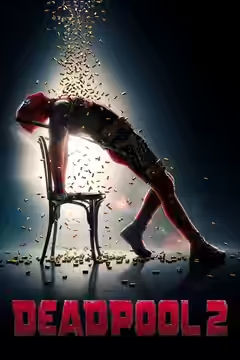
Reynolds is known for his performances as Wade Wilson / Deadpool in Deadpool (2016), Deadpool 2 (2018) and Deadpool & Wolverine (2024). He received writing and producing credits on the latter film, and also produced and appeared as Cal in IF (2024).