Shinya Tsukamoto’s hands-on filmmaking makes bodily discomfort hard to escape. We recommend the abrasive invention of Tetsuo: The Iron Man, while wishing its people were given as much attention as the things growing out of them.
Fi1m perspective
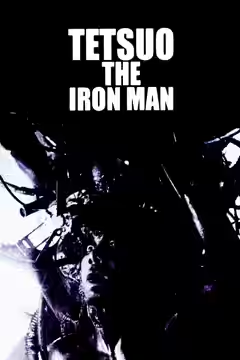
The metal in Tetsuo: The Iron Man (1989) looks heavy enough to hurt before anyone moves. Tsukamoto and fellow cinematographer Kei Fujiwara shoot flesh and machinery in harsh black and white, making them seem unpleasantly compatible. We recoiled at the handmade growths because we could imagine their weight against skin. The effects remain visibly constructed, and that makes them more disturbing: there is something solid there to press against a body.
Tsukamoto’s producing is difficult to separate from the other jobs he takes on. On Tetsuo, he also writes, directs, photographs, edits and plays the Metal Fetishist; the production took eighteen months. His rapid cutting keeps us close to the bodies, while the broken movement of the stop-motion makes even a pause feel unsafe. Composer Chu Ishikawa’s industrial pulse allows little time to recover between transformations. This is filmmaking whose force depends on those jobs working together, and the music contributes as much to the discomfort as the metal.
His work stayed independent and experimental through the 1990s and 2000s. Tokyo Fist (1995) examines violence and masculinity, Bullet Ballet (1998) urban alienation, and A Snake of June (2002) voyeurism and sexual liberation. A turn towards period and war dramas begins with Fires on the Plain (2014), followed by Killing (2018) and Shadow of Fire (2023). That change matters when choosing where to start: we would not use Tetsuo alone to decide whether his work is for us.
Our reservation about Tetsuo is how little its people exist beyond physical appetite and suffering. Fujiwara’s Girlfriend and Tsukamoto’s Metal Fetishist scarcely have room for anything else, and another rush of movement sometimes has to do the work of character development. The dark humour helps, as does the running time of 67 minutes, but the pressure comes close to wearing us out. For Tetsuo, choose an evening when there is no requirement to relax.
Biography
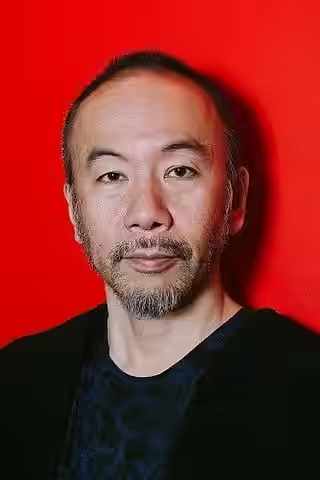
Shinya Tsukamoto is a Japanese film director, screenwriter, cinematographer, editor, producer and actor. Born in Tokyo in 1960, he began making 8 mm short films as a teenager. After studying oil painting and working at an advertising agency, he founded his own theatre company.
Tsukamoto made his feature debut with Tetsuo: The Iron Man (1989), on which he served as director, writer, producer, editor, cinematographer and actor (as the Metal Fetishist). The low-budget cyberpunk body-horror film established his international reputation. He has since directed further films including Tokyo Fist (1995), Bullet Ballet (1998), A Snake of June (2002), Vital (2004) and Kotoko (2011), frequently taking on multiple production roles and appearing in his own work.
His films have screened at international festivals and he has received awards including the Mainichi Film Award for best director and best actor, and the Nippon Honor Award in 2019.