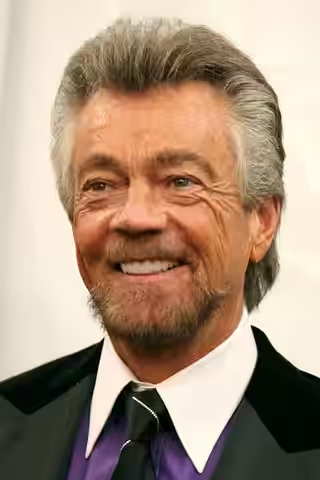
Stephen J. Cannell made American crime television looser and friendlier: the hero is reluctant, the car says who he is, and the jokes arrive between the chases. When the people are worth the hour, as in The Rockford Files, it is good company.
Fi1m perspective
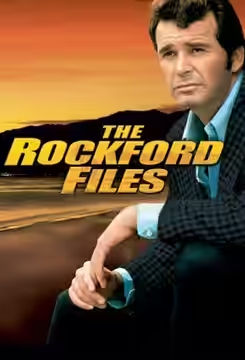
The Cannell hero would rather not. He is asked to take the case or join the cause, he tries to talk his way out of it, and then a car starts and the hour begins. Jim Rockford in The Rockford Files (1974) is the pattern for everyone who followed: a private detective we are meant to enjoy without being asked to admire, which is a sensible basis for an hour of crime television. Cannell and his co-creator Roy Huggins understood that a mystery can occupy the attention, but only a person can make you want to spend the evening inside it.
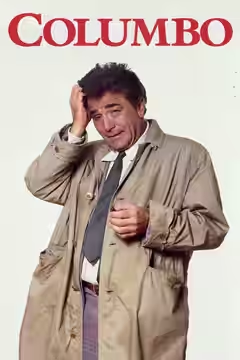
He came up through Universal in the late 1960s, selling scripts to Mission: Impossible and It Takes a Thief and then working as story editor on the police series Adam-12. He also wrote for Columbo (1971), a show whose pleasure lies in the detective's manner rather than the puzzle, and the lesson seems to have stuck. Rockford came in 1974. In 1979 he left Universal to set up on his own, and through the 1980s and 1990s, often with Frank Lupo, he turned out series at a rate that is hard to credit: The Greatest American Hero (1981), The A-Team (1983), 21 Jump Street and Wiseguy (both 1987), more than 1,500 episodes in all, before he moved on to mystery novels in the mid-1990s.
What works is the mixture. Humour sits next to action, the car chase and the explosion are part of the furniture, and the vehicle tells you who someone is before they have said a word. His people are outsiders at odds with the department, the agency or the office, and the shows take their side without making a speech about it. What does not work is the volume. The same shape returns from series to series, the later shows lean on what the earlier ones did, and The A-Team has been called formulaic and violent by people we would not argue with. Cannell himself said, "All hits are basically mistakes," which sounds modest and is also a fair description of the method: fire often enough and some of it lands.
We will admit that in the routine Rockford episodes, the ones where the case is thin and the culprit is plain early on, we did not much mind, because James Garner was on screen and the writing kept giving him something to be wry about. That is the Cannell trick, and it is harder than it looks. The reverse is also true: when the people are not worth the time, the chases and the bangs do not rescue the hour.
Wiseguy is the one to look at if you want to see where he was heading. It ran its crime stories across many episodes instead of closing them each week, a shape later crime drama took up and now takes for granted. Start with Rockford, though. It is the one where the reluctance is funniest and the car matters most.
Biography
Stephen J. Cannell was an American television writer, producer and creator. After selling his first scripts to series including Ironside, he worked as story editor on Adam-12 and contributed episodes to Columbo.
He created or co-created numerous successful series, often in collaboration with Roy Huggins or Frank Lupo. These include The Rockford Files (1974), The Greatest American Hero (1981), The A-Team (1983), Hunter (1984), 21 Jump Street (1987) and Renegade (1992). He founded Stephen J. Cannell Productions and later The Cannell Studios.
Cannell also wrote more than a dozen novels, notably the Shane Scully series, and made occasional acting appearances. He received an Emmy Award for The Rockford Files and died in 2010.