Stephen Norrington is good at making horror move with the force of an action film. In Blade, that gift survives a thin story and some unconvincing computer effects.
Fi1m perspective
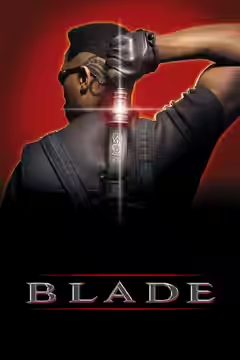
The nightclub opening of Blade (1998) makes a persuasive case for Stephen Norrington: blood and stunt work, with little need to stop and explain. We were exhilarated by its speed and physical force. Wesley Snipes makes the half-vampire hero convincing before the screenplay has done much to help him. Norrington knows how to use that presence, giving vampire horror the aggression of an action film. Sustaining it is another matter.
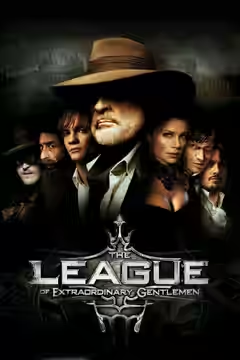
His beginnings in special effects, sculpture and make-up help explain that preference for things with weight and movement. He wrote and directed Death Machine (1994), then broke through with Blade. He also wrote, directed and produced The Last Minute (2001), before The League of Extraordinary Gentlemen (2003) brought his mainstream studio career to a close. His subsequent independent work includes The Migrant, a project he has undertaken single-handedly.
Blade also gives us plenty of reasons to value the people around him. Cinematographer Theo van de Sande makes its bloody imagery worth looking at, while production designer Kirk M. Petruccelli gives the nightclub a convincing setting for the horror. Paul Rubell's editing propels the opening, although the busier fighting can become difficult to follow. Mark Isham's score adds pressure without doing much for the hero's emotional life, and the film's techno emphasis suits action that keeps pushing forward.
He is less sure of what should happen between the fights. The story is thin and receives more explanation than it needs, with little sense of an ordinary world beyond the fighting. When the less convincing computer effects take over, we start inspecting the images instead of fearing what they show. Norrington can make sound, movement and a forceful performer do the work, which makes the interruptions for exposition particularly frustrating. Start with Blade, provided a convincing hero matters more to the evening than a well-told story.
Biography
Stephen Norrington is an English film director and former special effects artist. Born in London in 1964, he began his career in the 1980s as a sculptor and makeup effects artist, contributing to films including Aliens and Return to Oz.
His directorial debut was the 1994 sci-fi horror film Death Machine, which he also wrote. He went on to direct the comic-book adaptation Blade (1998) and The League of Extraordinary Gentlemen (2003). He also directed and produced the 2001 film The Last Minute.
Norrington has largely retired from directing since the mid-2000s, though he has continued occasional work in visual effects.