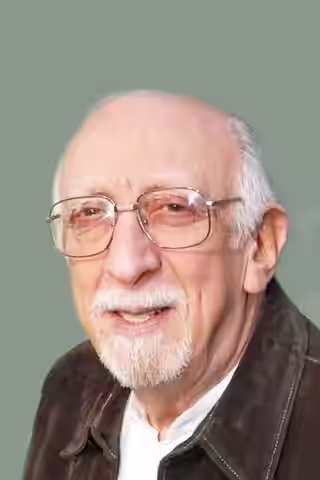
Tony Jay had one instrument, a dry, low bass that never needed to rise, and he found its best use late, as Frollo. Most of the rest of his career was spent lending that voice to men who were certain they were right.
Fi1m perspective
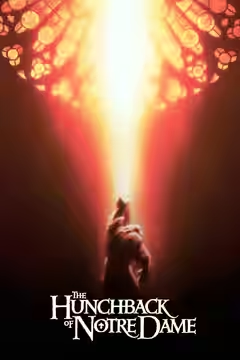
Frollo stands before a fireplace in The Hunchback of Notre Dame (1996) and confesses. He wants Esmeralda, he blames her for wanting her, and hooded figures chant around him while her face forms in the flames. What makes the scene work is that Tony Jay does not raise his voice. He sings 'Hellfire' in the same unhurried bass he uses to pass sentence, as if lust were one more item of court business, and it is far more frightening than shouting would have been. We sat forward and did not move until it ended.
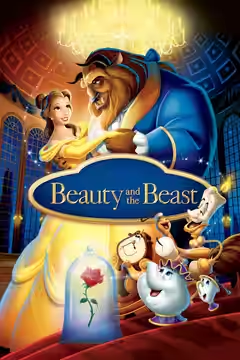
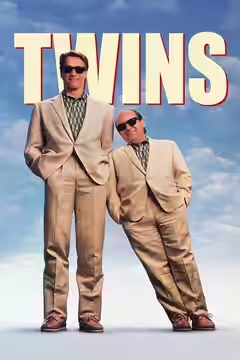
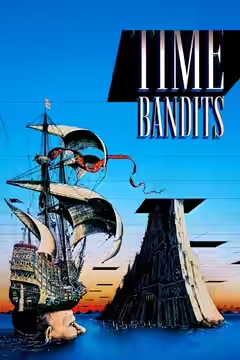
He came to that voice by an odd road. He sold houses in England and acted for fun, went to South Africa around 1966 and made a living in radio drama, came back in 1973 for television and the stage, and did not reach the United States until 1986, after a Broadway run of Nicholas Nickleby as Vincent Crummles. He was in his fifties before Hollywood found a use for him, and the use it found was mostly to be heard rather than seen. Terry Gilliam had already used him as the voice of the Supreme Being in Time Bandits (1981); Gary Trousdale and Kirk Wise gave him the small part of Monsieur D'Arque in Beauty and the Beast (1991) and then Frollo five years later. Around those sit a long list of authorities and villains in animation, live action and games, with the odd eccentric in Twin Peaks (1990) or Twins (1988) to break the run.
The voice did one thing and did it completely. It was a rasp with a floor under it, faintly amused, and it made every line sound like a ruling. That is why he was cast as magistrates, narrators and the occasional deity, and why he was so rarely cast as anything else. He was typecast, and he does not seem to have minded. He said of Frollo that they had tried to make him 'a tragic figure, rather than an out-and-out senseless villain', and that is the part of the job he took seriously: a man who believes he is doing good, played without a wink. The limit is real. Ask that voice to be small or unsure and there is nothing there. Hunchback leans on him so hard that when the gargoyles arrive to be funny the film loses its footing, and that is the film's fault, not his.
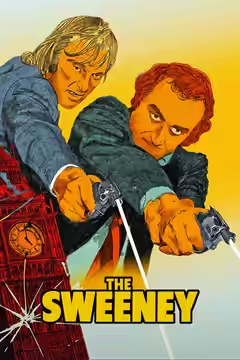
In the flesh he was less distinctive. He turns up in The Sweeney (1975) as Lambourne, one face among many in Regan's drab London, and we did not pick him out. The camera added nothing to him; the microphone added everything. If you want to know what he could do, put on Hunchback and wait for the fireplace. One song will tell you.
Biography
Tony Jay (2 February 1933 – 13 August 2006) was a British actor and voice artist. Born in London, he was a member of the Royal Shakespeare Company and appeared in British television productions after returning to the United Kingdom in the early 1970s.
He is known for voice roles including Monsieur D'Arque in Beauty and the Beast (1991), Claude Frollo in The Hunchback of Notre Dame (1996), the narrator in Treasure Planet (2002) and Austin Powers: The Spy Who Shagged Me (1999), and Shere Khan in The Jungle Book 2 (2003). He also voiced Megabyte in the animated series ReBoot.
His live-action credits include Lambourne in the The Sweeney episode 'Golden Boy' (1975), Werner in Twins (1988), Dougie Milford in Twin Peaks (1990), and Campio in Star Trek: The Next Generation (1992).