An Italian actress who spent her screen life playing worldly women with something giving way underneath, Cortese was part of the furniture in a lot of good films and the whole point of one: Truffaut's Day for Night, which she made up as she went.
Fi1m perspective
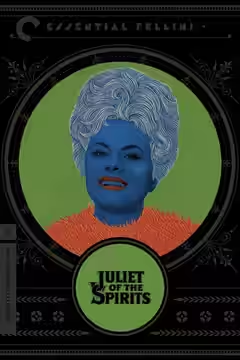
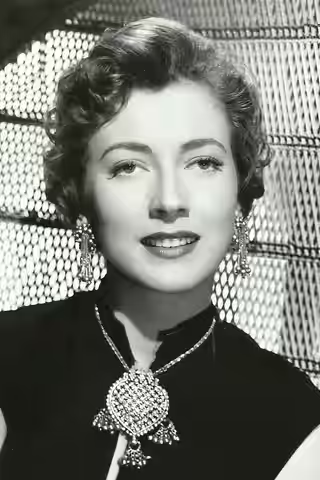
The scarf comes first. Cortese tied a foulard round her head so often that it became a signature, and under it sat a face made for women who had been somewhere and were not going to tell you all of it. Her voice did the rest. She was cast again and again as the elegant, worldly woman of a certain age, sophisticated on top and a little cracked beneath, and she plainly enjoyed the crack more than the polish. In Fellini's Juliet of the Spirits (1965) she is one of the guests at the director's long party, a woman called Valentina among the hats and mediums, and she wears the film well even when it runs on.
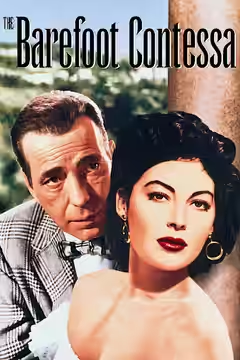
She had started as an ingenue in Italian films in 1940 and 1941, having left school for Rome and the National Academy of Dramatic Arts. Notice came after the war, with dual roles in Les Misérables (1948), and Hollywood followed, briefly, under 20th Century Fox with her name spelt Cortesa. Thieves' Highway (1949) gave her Rica, and it is the early part to see: sensual, witty and quicker than the men around her. The House on Telegraph Hill (1951) came after, then contract trouble and a return to Europe. The 1950s and 60s were steady rather than starry. She is Eleanora Torlato-Favrini in Mankiewicz's The Barefoot Contessa (1954), one voice among many in a film that talks a great deal, and Nene in Antonioni's Le Amiche (1955), which is the quietest thing she did and possibly the best before fifty.
Then Truffaut. Day for Night (1973) gave her Séverine, a fading actress who drinks, and gave her no script; he told her to improvise, as she had once done on television. It is the performance the reputation rests on and it deserves the weight. We have watched it several times and it still catches us out: she is funny for a long stretch, then the fright underneath shows for a second, and the laugh we had just let out felt slightly unkind. Nothing she did afterwards used that. When Time Ran Out (1980) certainly did not, and the Zeffirelli films, three in all, asked for a grande dame and got one; the charge that her later screen work tipped into mannerism is not wholly unfair. Gilliam's The Adventures of Baron Munchausen (1988) at least knew what to do with a woman who could play a queen with a second name.
The stage took the rest of her. She worked for years with Giorgio Strehler at Milan's Piccolo Teatro, and told an interviewer late on that "Theatre is my true passion." Start with Day for Night, then Le Amiche, then the two we have reviewed, in which she is decoration of a high order in films that had other things on their minds.
Biography
Valentina Cortese, also credited as Valentina Cortesa, was an Italian film and theatre actress. Born in Milan in 1923, she made her screen debut in 1941 and appeared in over 100 productions until 1993. She played Eleanora Torlato-Favrini in Joseph L. Mankiewicz’s The Barefoot Contessa (1954).
Cortese worked with directors including Michelangelo Antonioni, Federico Fellini, François Truffaut and Franco Zeffirelli. She received a BAFTA Award for Best Actress in a Supporting Role and an Academy Award nomination for her performance in Truffaut’s Day for Night (1973). Other notable films include Thieves’ Highway (1949), Juliet of the Spirits (1965) and The Adventures of Baron Munchausen (1988). She also had a substantial stage career.
In 2013 she was awarded the French Order of Arts and Letters.