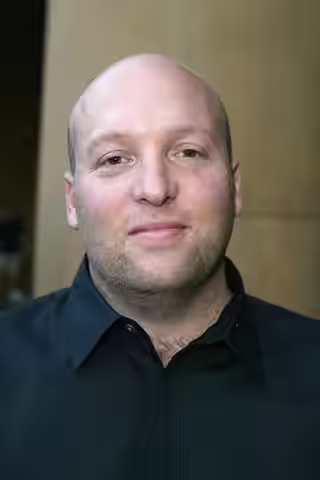
Zak Penn's credits are mostly story and co-writing on films finished by other people, and his best work is a clean premise handed on. When he stays for the whole thing, as on Stuart Fails to Save the Universe, the idea still outruns the jokes.
Fi1m perspective
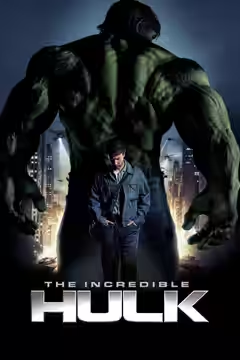
The Incredible Hulk (2008) gets its origin over with during the opening titles, wordless, and picks up Bruce Banner on the run in Rio with a heart-rate monitor on his wrist. Everything after that is a chase. That is Zak Penn's habit as a writer: clear the set-up quickly, put one good idea on the board and start moving. For about an hour it works, and Edward Norton running downhill, frightened, is the best stretch of anything with Penn's name on it that we have seen. We were with him the whole way. Then the finale turns into two computer renderings fighting in the dark and we stopped minding who won.
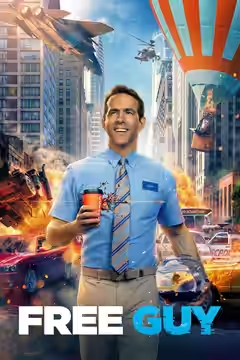
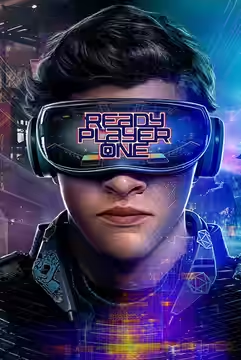
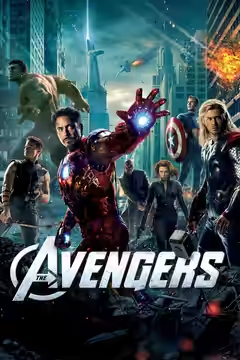
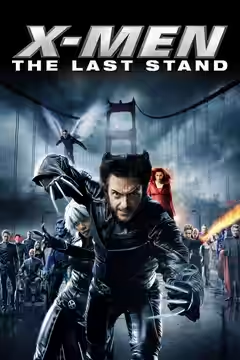
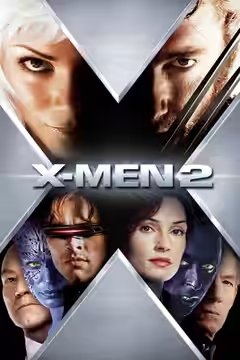
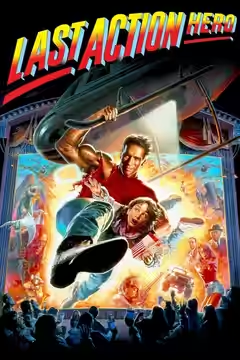
The career is long and the credits are mostly partial. He sold the story of Last Action Hero (1993) not long out of university and spent the 1990s and 2000s on studio films: PCU, Inspector Gadget, Behind Enemy Lines, X2 (2003), X-Men: The Last Stand, Elektra. Several of the early scripts were rewritten a long way from what he wrote, and he has not always claimed the results. On The Avengers (2012) his credit is for the story rather than the screenplay, and the film we liked, funny, clearly staged and full of actors making room for one another, is Joss Whedon's. We cannot tell you which part of it is Penn's. Later came Ready Player One (2018) with Steven Spielberg and Free Guy (2021) with Shawn Levy, both built around games, which is where his interests have always sat.
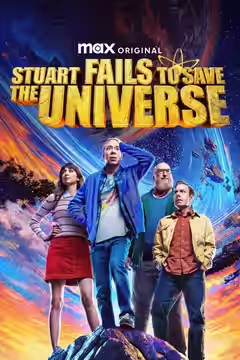
Television is where he stays for the whole thing. He co-created Alphas (2011–2012) with Michael Karnow, created Beacon 23 (2023) on his own, and joined Chuck Lorre and Bill Prady for Stuart Fails to Save the Universe (2026), which knocks the background players of The Big Bang Theory out of their own universe and makes them meet the versions of themselves who chose better. Again the idea is good. Again it is good about a third of the time. Penn has said of the series, "We were going to fly without a net. We were going to go one episode at a time," and that is how it plays. Around the middle of the run we stopped caring which universe we were in and started waiting for the next familiar face, and we laughed properly perhaps five times in ten episodes, four of them at Brian Posehn. When the writing needs a joke it reaches for a reference. A premise is not a script, and Penn has spent thirty years being paid for the first.
He has also directed three small things: Incident at Loch Ness (2004), The Grand (2007) and the documentary Atari: Game Over (2014), none of which we know well enough to judge. What we can say is that he is worth hiring at the start of a project, and that the films we would recommend with his name on them were finished by somebody else. If you want one evening, take the first hour of The Incredible Hulk, a fugitive and a heart-rate monitor, and turn it off when the fighting starts.
Biography
Zak Penn (born 23 March 1968) is an American screenwriter. He graduated from Wesleyan University in 1990.
Penn wrote the story for Last Action Hero (1993) and served as story consultant on Antz (1998). His credits on Marvel adaptations include the story for X2 (2003), the screenplay for X-Men: The Last Stand (2006), the screenplay for The Incredible Hulk (2008) and the story for The Avengers (2012). He co-wrote the screenplays for Ready Player One (2018) and Free Guy (2021). With Michael Karnow, he co-created the television series Alphas (2011–2012). Penn also directed Incident at Loch Ness (2004) and The Grand (2007).