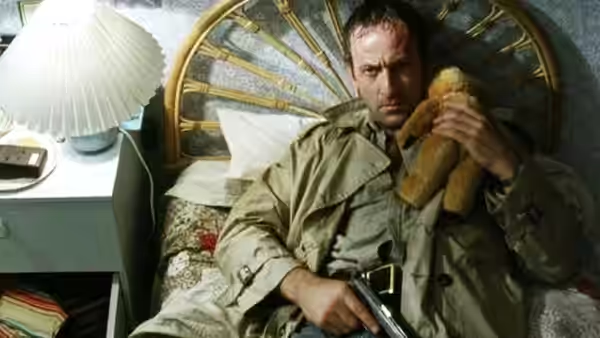
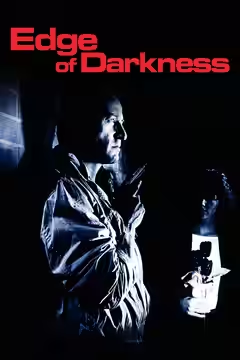
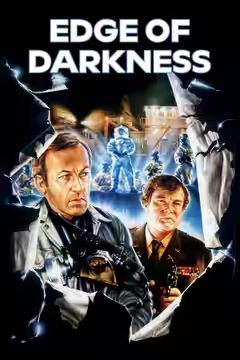
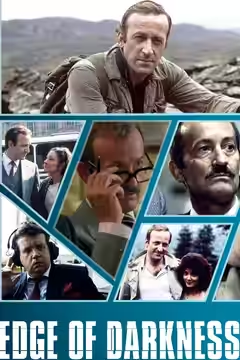
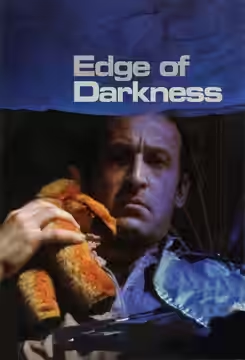
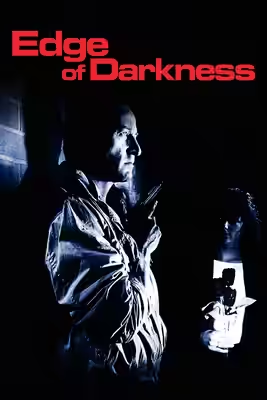
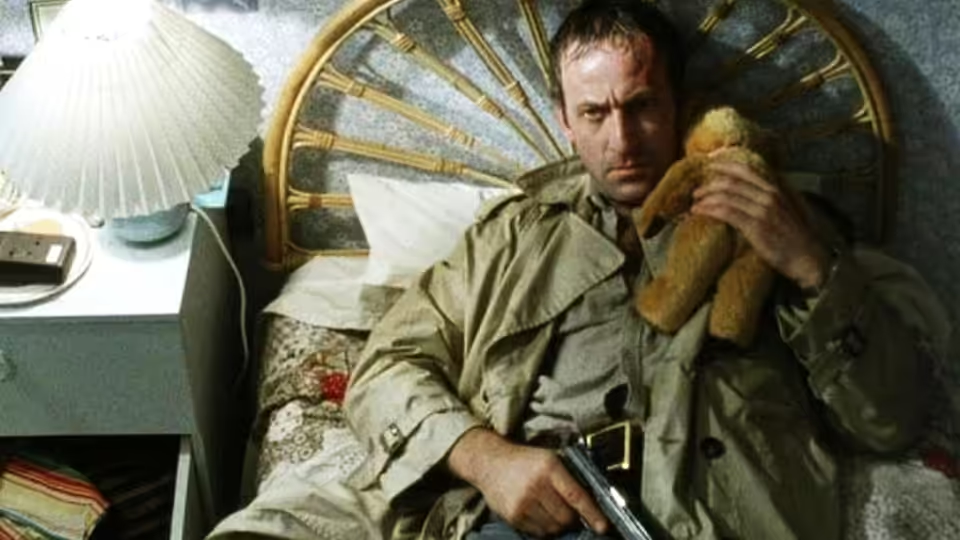
Ronald Craven (Bob Peck) lies on a bed holding a teddy bear and pistol
Series review

Edge of Darkness

1985 · Created by Troy Kennedy Martin · Series · 53m

In a sentenceNuclear anxiety was bad enough before Bob Peck gave us someone to worry about

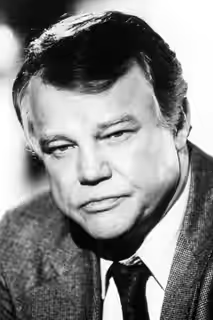
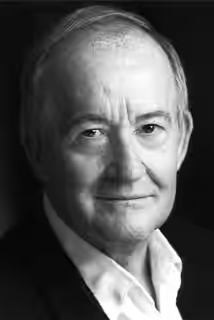
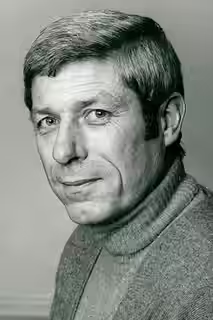
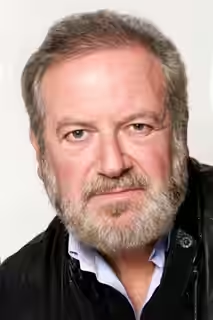
Edge of Darkness centres on Ronald Craven, played by Bob Peck, in a crime thriller shaped by the political and nuclear fears of the 1980s. Across six episodes, the drama combines its crime story with stranger, less easily explained ideas. Joe Don Baker plays Darius Jedburgh, Joanne Whalley plays Emma Craven and Charles Kay plays Pendleton. Martin Campbell directs a screenplay by Troy Kennedy Martin, with a supporting cast that includes John Woodvine as Ross and Jack Watson as James Godbolt.

Fi1m review

Bob Peck makes this six-part nuclear thriller painfully personal, and Martin Campbell gives its political fears room to unsettle us. The writing sometimes grows needlessly obscure, but its seriousness and emotional force earn our recommendation.

Edge of Darkness is a gripping nuclear-age thriller, and Bob Peck makes its dangers feel close enough to worry about. We recommend it, with a warning that the writing sometimes makes the politics harder to follow than they need to be. It takes the crime story seriously while allowing stranger ideas to intrude, and the mixture mostly works. Troy Kennedy Martin writes, Martin Campbell directs, and the series runs to six episodes.

Peck’s Ronald Craven holds our attention even when the wider story threatens to lose it. We were moved by the strain in his composure; Peck makes keeping control of yourself look exhausting. There is no need to understand every political implication before we can feel concern for him, and Campbell is right to give that concern such importance. The performance keeps us watching closely when a less involving lead might leave us merely trying to remember the information.

Joe Don Baker is a welcome presence as Darius Jedburgh, bringing enough pleasure to the acting to prevent the seriousness becoming oppressive. Joanne Whalley, as Emma Craven, also matters to the sense that these people deserve our attention beyond whatever the thriller requires of them. Kennedy Martin’s writing gives the cast something more rewarding than the task of making information sound urgent. Charles Kay plays Pendleton, with John Woodvine as Ross and Jack Watson as James Godbolt.

Andrew Dunn’s cinematography feels attentive to the performances, particularly to the unease Peck creates without any help from the larger premise. Graeme Thomson’s production design is similarly effective at keeping the people more interesting than their surroundings. We never feel that Campbell has stopped the drama so that we can appreciate how it has been made. That restraint suits a thriller whose nuclear concerns could so easily make individual lives seem too small to matter.

Editors Ardan Fisher and Dan Rae give the drama a patient rhythm, and the performances usually justify the time spent with them. The music by Eric Clapton and Michael Kamen makes the anxiety harder to put aside, even when we are busy following the story. There is sadness in it, too, which feels right beside Peck’s performance. Anyone who needs a crime thriller to move briskly from question to answer will need to adjust to the pace.

Kennedy Martin’s appetite for the unexplained is also the main weakness. Crime thrillers can leave questions open and still make clear why they matter, but here some passages demand more interpretative work than their emotional effect warrants. We wanted plainer writing at those points, and the actors should not have to make up the difference. The difficulty is worth accepting for the performances and the sustained unease. Watch it when you can give it your attention, and do not blame yourself for every moment of confusion.
Critical consensus AI synthesised

3 of 6
Positive
3
Mixed
0
Negative
0
Radio Times
· Mark Braxton
90*

The critic hails the series as a mighty thriller that remains thrillingly immediate despite its age, praising its evolution from personal grief to global conspiracy. Standouts singled out include Bob Peck’s performance, Troy Kennedy Martin’s script, Martin Campbell’s direction and Andrew Dunn’s close-up photography.

Read the full review →
The Guardian
25 September 2014
90*

The critic praises the series as a deep and doomy apocalyptic thriller that glows from start to finish, highlighting Bob Peck's mesmerising performance as the wry and heartbroken copper Ronnie Craven. They single out the topical nuclear conspiracy plot, strong supporting turns including Joe Don Baker, and the hypnotic pacing while recommending it over the 2010 film remake.

Read the full review →
Digital Spy
30 June 2014 · Morgan Jeffery
90*

The critic calls the 1985 BBC series one of the best British dramas ever made, praising its encapsulation of 1980s political and nuclear anxieties and its blend of crime thriller and esoteric elements. They single out Bob Peck's lead performance as magnificent and note the uniformly excellent cast and writing.

Read the full review →

Straight answers AI written, from our review

Is Edge of Darkness worth watching?
Edge of Darkness is worth watching for anyone with patience for a slow, serious nuclear-age thriller, and we scored it 88. Bob Peck's Ronald Craven is the reason: he makes keeping control of yourself look exhausting, and we were moved by the strain. The writing sometimes makes the politics harder to follow than they need to be, so give it your full attention.
How long is Edge of Darkness, and what is it rated?
Edge of Darkness has episodes of about 53m. It is a crime and drama series.
Where can I watch Edge of Darkness in the US?
Edge of Darkness is not on any streaming or rental service in the US at the moment. It is available in 2 other countries; change your country at the top of the page to see where. Availability is checked daily.
How violent or frightening is Edge of Darkness, and is it suitable for children?
Edge of Darkness carries a UK 15 certificate and is not suitable for children. It is a crime thriller shaped by the nuclear fears of the 1980s, and its unease is sustained and sad rather than shocking; the anxiety comes from the political premise and Bob Peck's performance, not from spectacle. Older teenagers who can sit with a patient, sombre drama should manage it.
How does Edge of Darkness compare to State of Play?
Edge of Darkness is the stranger and more personal of the two, and State of Play the more straightforward to follow. Both are six-part British thrillers in which crime and politics refuse to stay separate, but Paul Abbott's newsroom drama is built on a convincing ensemble, while Troy Kennedy Martin's rests on one man's composure and lets odder ideas intrude. We prefer the earlier series for its emotional force; viewers who want clarity should start with the later one.
What should I watch after Edge of Darkness?
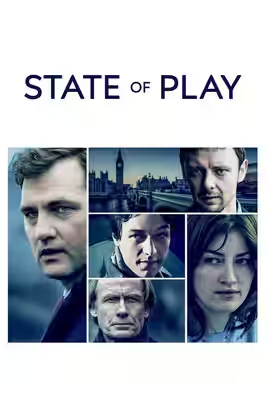
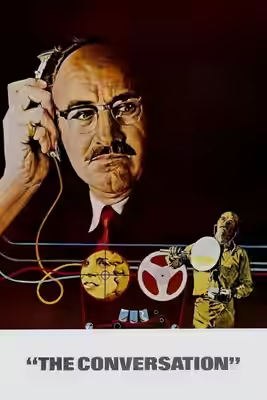
After Edge of Darkness, try State of Play (2003, Fi1m 88): A patient series in which crime and politics refuse to stay separate. Then The Conversation (1974, Fi1m 92): For the discomfort around information that becomes dangerous to possess; and Cure (1997, Fi1m 85): A crime investigation unsettled by fears that ordinary explanations cannot settle.

Cast

If you liked this, try…

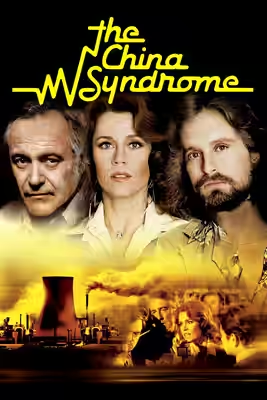
  1. The China Syndrome (1979) · not reviewed yetAnother nuclear thriller that makes professional responsibility feel frighteningly personal.

  2. State of Play (2003, Fi1m 88)A patient series in which crime and politics refuse to stay separate.

  3. The Conversation (1974, Fi1m 92)For the discomfort around information that becomes dangerous to possess.

  4. Cure (1997, Fi1m 85)A crime investigation unsettled by fears that ordinary explanations cannot settle.

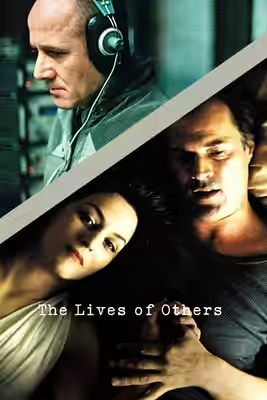
  5. The Lives of Others (2006, Fi1m 84)Political suspicion made personal through the strain of watching other people.

Free account

Know what to watch tonight

Two lists that know where things are streaming, collections you can share, your own score beside ours, and Discover that remembers what you have seen.

  • Want to see, sorted by what is streaming now
  • Seen, with your score out of ten
  • No adverts, ever