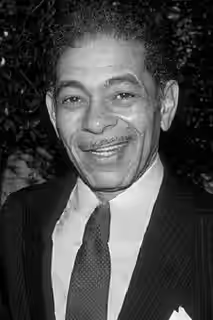
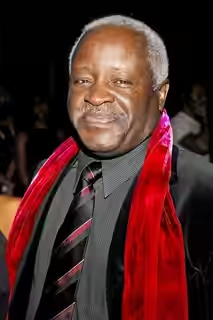
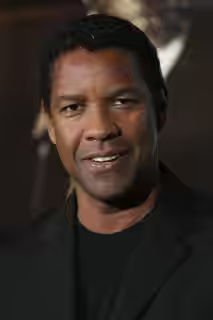
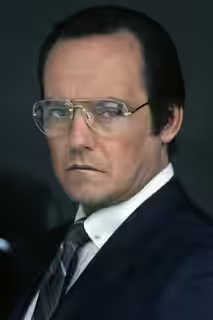
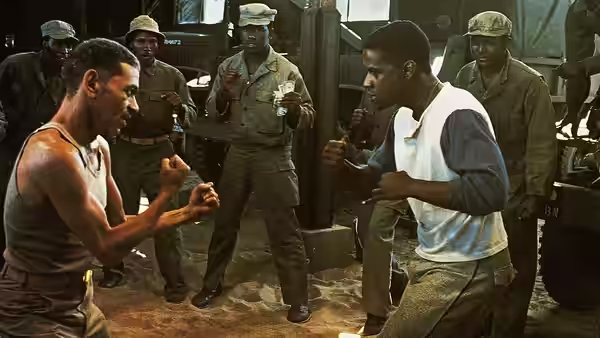
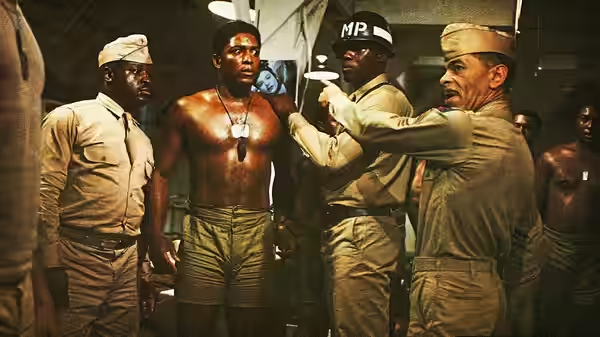
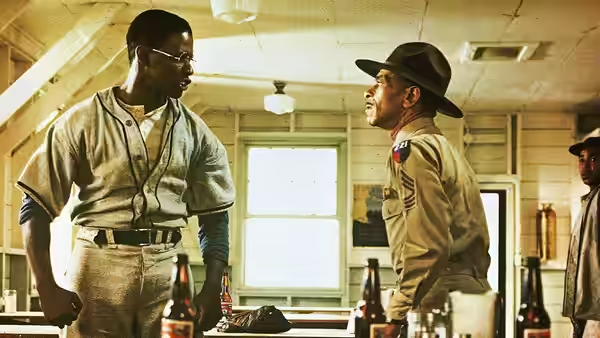
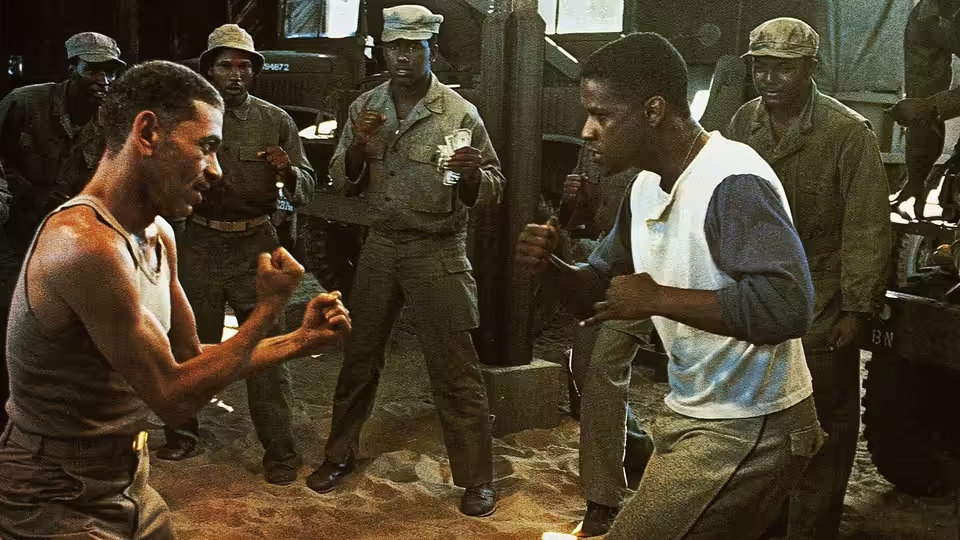
Two soldiers square off in fighting stances inside a military workshop
Film review

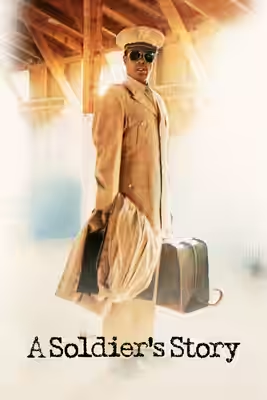
A Soldier's Story

1984 · Directed by Norman Jewison · 1h 41m · MPA PG

In a sentenceAdolph Caesar is dead in the first minute and still the most alive person in the film

Fort Neal, Louisiana, 1944. Sergeant Waters (Adolph Caesar), drunk and in dress uniform, is shot dead on a road outside the segregated Army base. Washington sends Captain Davenport (Howard Rollins), a Black lawyer, to find out who did it. The white officers assume the Klan and want it left there; Captain Taylor (Dennis Lipscomb) warns that a Black officer asking questions here will only make things worse for the men. Davenport begins anyway, interviewing Waters’ company one by one: Private Wilkie (Art Evans), who lost his stripes under him; Private First Class Peterson (Denzel Washington), who squared up to him; C.J. Memphis (Larry Riley), the guitar-playing ballplayer the sergeant could not stand. Each account takes us back into the barracks, and the dead man takes shape.

Fi1m review

Norman Jewison films Charles Fuller’s play as a plain, well-acted whodunit, and the mystery is the least of it. Adolph Caesar’s Sergeant Waters, killed before the story starts, is the reason to watch; the flashback machinery around him creaks.

Norman Jewison’s film opens on a Louisiana road at night in 1944. A Black sergeant, drunk, staggers in dress uniform, shouts at nobody that they still hate you, and is shot. Charles Fuller, adapting his own play, then sends a Black captain from Washington to find out who did it, into a base full of men who know more than they say and a white command that would rather he went home. It is a whodunit in shape; its real business is the dead man, and it is a good film, with the seams of the stage still showing.

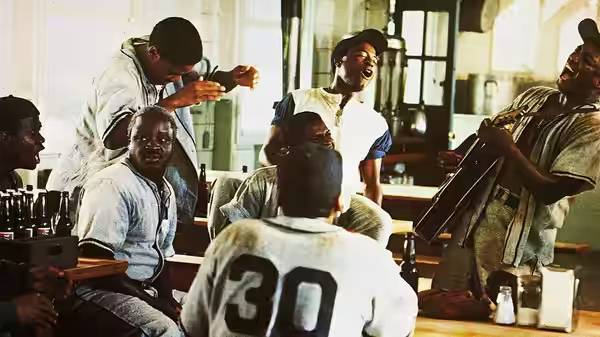
Adolph Caesar gives Sergeant Waters a parade-ground bark, a small, hard body held stiff as a rifle, and a contempt for the southern-born men under him that he expresses with an ugly word and means as a diagnosis. Waters believes the race will be judged by its worst and has set out to weed them out, starting with Larry Riley’s C.J. Memphis, who sings, drinks and plays ball and cannot understand what he has done wrong. We found Caesar frightening, and not in the shouting. It is a quiet scene with Wilkie in which he explains, reasonably, almost kindly, what he has in mind for men like C.J., and we realised he had taken his enemies’ opinion of him and made it his own.

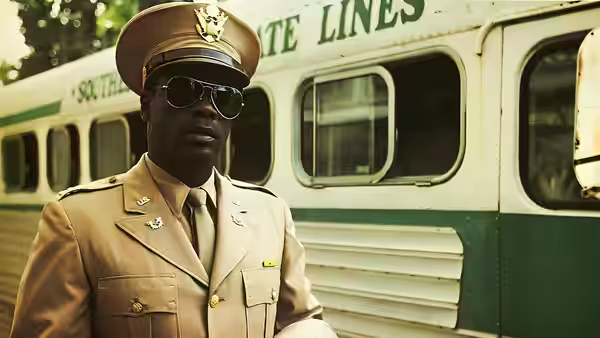
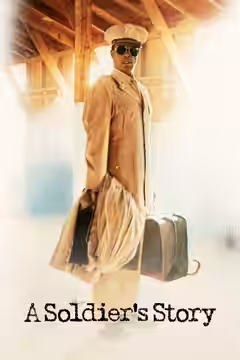
Howard Rollins plays Davenport behind dark glasses and a clipped Washington manner, and the film wants him as a witness rather than a man: a rank, a briefcase, a principle, and little else to want. Dennis Lipscomb’s Captain Taylor, who assumes the Klan did it, is not a villain; he is a decent officer who thinks a Black investigator will get his men hurt, and the film lets him be half right about the danger and wrong about the man. Denzel Washington’s Peterson is the one private who will square up to Waters and take the beating for it. Art Evans’s Wilkie, stripped of his stripes, gives the smallest and most exact performance, mostly with his eyes.

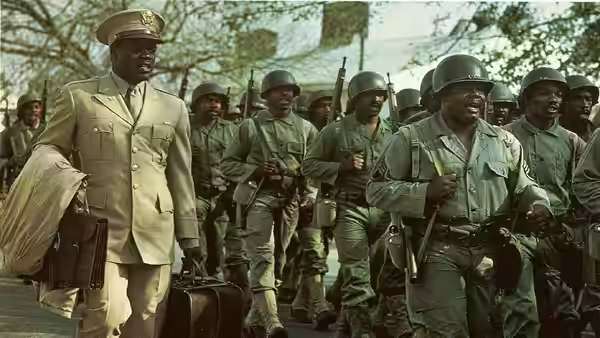
Russell Boyd shoots the base in dust and late sun: the barracks in amber, the ballfield bleached white, the road where Waters dies a cold blue. Walter Scott Herndon’s Fort Neal is clapboard, screen doors and one bar off the post, Big Mary’s, where Patti LaBelle sings and rank is forgotten for an evening. Herbie Hancock’s score keeps its head down, brass and blues in the period’s colours, and rightly; the talk is the music here. Caroline Biggerstaff and Mark Warner cut each interview so it dissolves into what the man remembers and back, and by the fourth time we could feel the switch being thrown.

That is the film’s trouble, and one prominent review called it mechanical, not unfairly. The structure is a stage structure, sit down, remember, stand up, and the ballgames, marching and jeeps Jewison adds do not disguise it. The film is about segregation and shows little of it: white faces staring at Davenport’s captain’s bars when he arrives, a bar full of hard looks, and the rest in what the men say. And when the answer comes, which we will not describe, it is tidier than the man it explains. Waters is a knot; the solution is a bow.

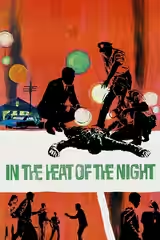
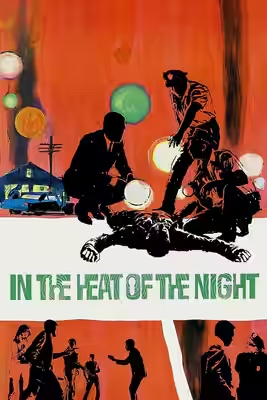
Jewison had been here before. In the Heat of the Night (1967) also sent a Black detective into a Southern town that did not want him, against a white policeman who came round slowly. That film had Sidney Poitier and Rod Steiger; this has less wattage in the lead and a harder subject, because what Davenport uncovers is not only the sheriff’s kind of hatred. Jewison is less showy here and more honest about how little one good man’s arrival fixes.

It runs 101 minutes. See it for Caesar, who is dead in the first scene and owns the film anyway; stay for Evans and Riley; forgive the joins between interview and memory, because what they carry is worth the creak. It plays well at home, where the stage bones matter less and the faces are closer.
Critical consensus AI synthesised

71
Positive
3
Mixed
0
Negative
1
Variety
31 December 1983 · Variety Staff
85*

A taut, gripping film with brilliant ensemble acting, excellent production values, a crackling script, fine direction and a liberal political message. It features strong performances in its investigation of the murder on a segregated Army base.

Read the full review →
The New York Times
14 September 1984 · Lawrence van Gelder
80*

The adaptation of Charles Fuller's Pulitzer-winning play is tense drama that remains faithful to the original's structure of investigation and flashbacks. It illuminates deeper causes of racism and injustice through its murder mystery.

Read the full review →
RogerEbert.com
1 January 1984 · Roger Ebert
40*

The film is a mechanical docudrama trapped by its flashback structure and limited in what it has to say about race. Ebert singles out the murdered sergeant as the most vital and interesting character despite the movie's flaws.

Read the full review →
Den of Geek
31 August 2016 · Tony Sokol
80*

The critic praises the film as marvelous, highlighting its talented cast and particularly singling out Art Evans' powerful, wordless moment of acting as the emotional core.

Read the full review →

Straight answers AI written, from our review

Is A Soldier's Story worth watching?
A Soldier's Story is worth watching for Adolph Caesar's Sergeant Waters, dead in the first minute and still the most alive man in the film, and we scored it 76. It is a plain, well-acted whodunit adapted from Charles Fuller's play, and the flashback structure creaks; forgive the joins for what the interviews carry. It plays well at home, where the faces are closer.
How long is A Soldier's Story, and what is it rated?
A Soldier's Story runs 1h 41m and is rated PG by the MPA in the US. It is a mystery and crime film.
Where can I watch A Soldier's Story in the US?
A Soldier's Story is streaming on Amazon Prime Video in the US, and it is also available to rent from Amazon Prime Video from $3.99. Availability is checked daily; the links above go straight to each service.
How violent or frightening is A Soldier's Story, and is it suitable for children?
A Soldier's Story has no UK certificate and carries a PG in the United States, and its violence is brief: a man is shot dead on a road in the opening scene, and a private takes a beating for standing up to his sergeant. What unsettles is the talk, particularly Waters' quiet contempt for the men under him and the racial slur he uses as a diagnosis. Older teenagers will follow it; younger children will be bored rather than frightened.
How does A Soldier's Story compare to In the Heat of the Night?
A Soldier's Story is the less showy and more honest of Norman Jewison's two films about a Black detective sent into the South, but In the Heat of the Night is the better film, because Sidney Poitier and Rod Steiger give it more wattage in the lead. The later film has a harder subject, since what Davenport uncovers is not only the sheriff's kind of hatred. Start with the earlier one for the performances; come to this for Caesar.
What should I watch after A Soldier's Story?
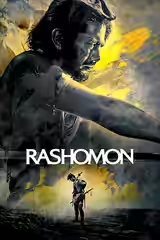
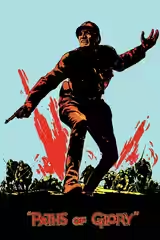
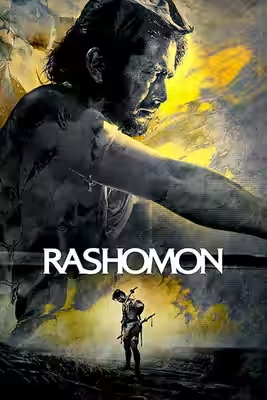
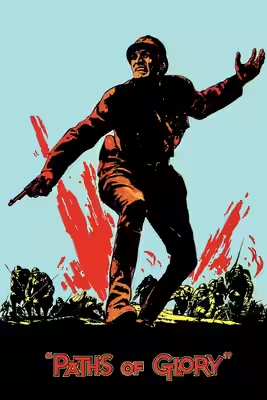
After A Soldier's Story, try In the Heat of the Night (1967, Fi1m 85): Jewison’s earlier Black detective in the South, with Poitier and a slow-thawing sheriff. Then Rashomon (1950, Fi1m 92): Kurosawa’s crime told four times by four liars; the original interview-and-flashback mystery; and Paths of Glory (1957, Fi1m 93): Kubrick’s court martial, where the Army’s real crime is choosing whom to blame.

Cast

Awards

Academy Awards, 1985

Nominated
Best Picture
Nominated
Best Supporting Actor
Nominated
Best Writing, Adapted Screenplay

If you liked this, try…

  1. In the Heat of the Night (1967, Fi1m 85)Jewison’s earlier Black detective in the South, with Poitier and a slow-thawing sheriff.

  2. Rashomon (1950, Fi1m 92)Kurosawa’s crime told four times by four liars; the original interview-and-flashback mystery.

  3. Paths of Glory (1957, Fi1m 93)Kubrick’s court martial, where the Army’s real crime is choosing whom to blame.

  4. Fences (2016, Fi1m 70)Denzel Washington directs and plays another hard father, with the stage still in its bones.

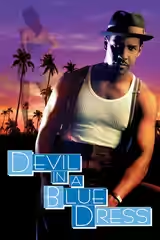
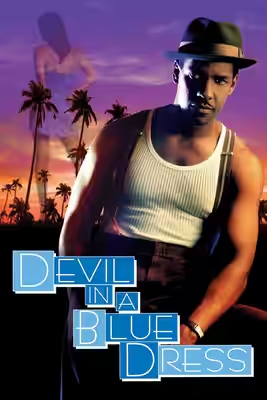
  5. Devil in a Blue Dress (1995) · not reviewed yetWashington again, a Black investigator in 1948 Los Angeles, with better suits and worse luck.

Free account

Know what to watch tonight

Two lists that know where things are streaming, collections you can share, your own score beside ours, and Discover that remembers what you have seen.

  • Want to see, sorted by what is streaming now
  • Seen, with your score out of ten
  • No adverts, ever