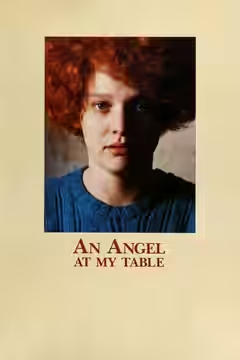
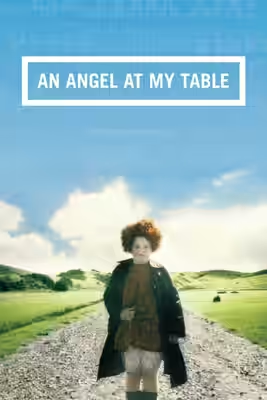
Jane Campion makes Janet Frame’s autobiographies into a patient, moving film that lets its subject remain difficult. Kerry Fox rewards the attention, though the succession of brief episodes sometimes leaves us wishing for longer scenes.
Jane Campion’s An Angel at My Table is a moving biography that takes the trouble to stay interested in someone who can be difficult company. We recommend it warmly, with a reservation about its habit of moving on just as a scene has begun to settle. Laura Jones adapts Janet Frame’s autobiographies without making every incident announce its importance. Childhood anxiety and adult awkwardness get the attention usually reserved for the great turning points in a writer’s life.
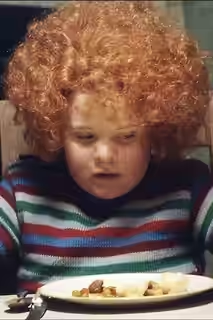
Alexia Keogh plays Janet as a child, and Karen Fergusson takes her through adolescence. The casting works because we recognise a continuing watchfulness, without feeling that either performer has been instructed to copy the other. We were moved by Keogh’s embarrassment, because Campion gives a child’s discomfort time and attention instead of treating it as a stage to be hurried through. These passages understand how much effort simply being among other people can require, particularly when nobody thinks there is anything to be frightened of.
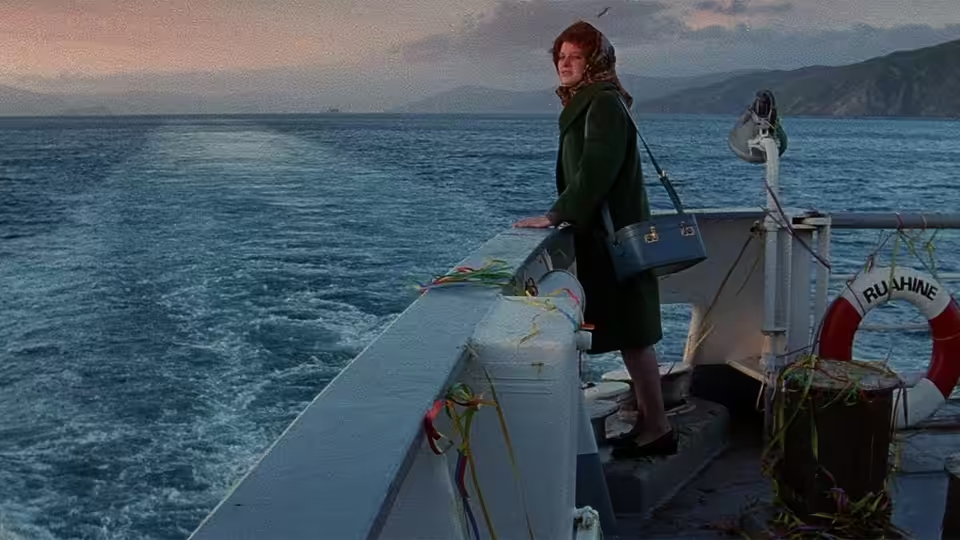
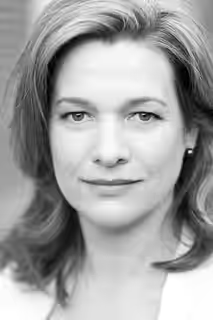
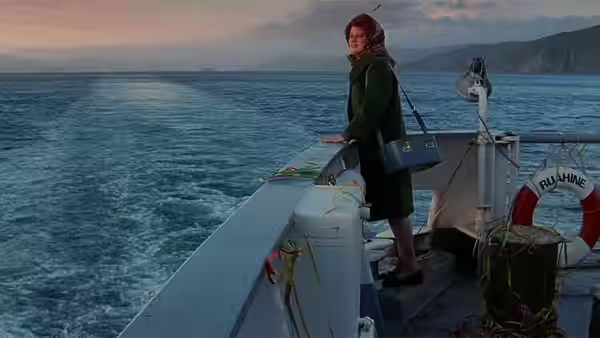
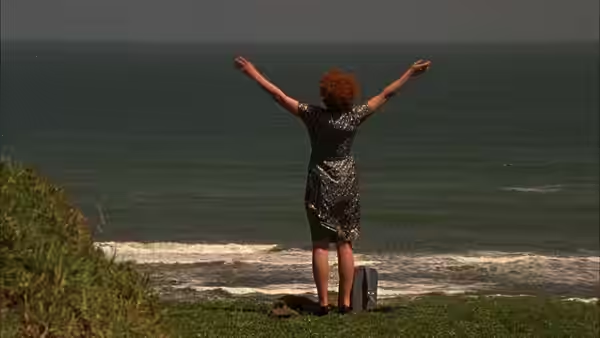
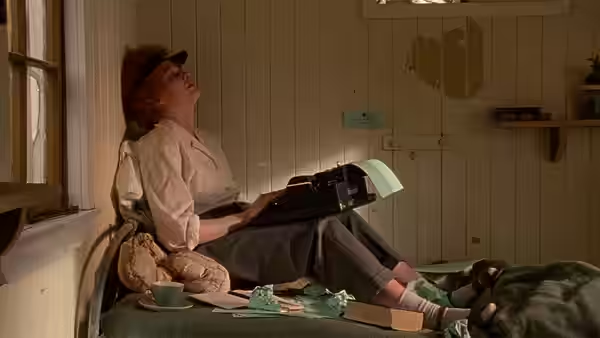
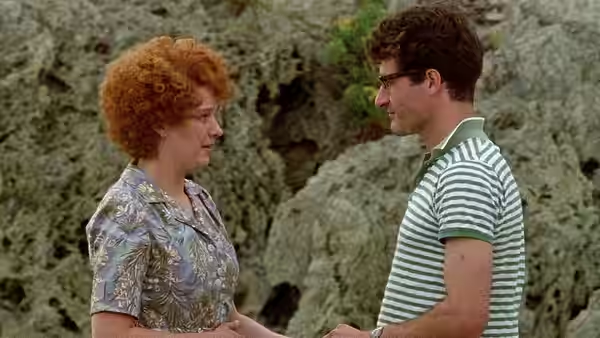
Kerry Fox does not make the adult Janet easy company. She lets hesitations remain uncomfortable and gives intelligence none of the brisk assurance that films so often attach to it. We have to wait for this woman, and Fox makes that waiting interesting. The humour helps: Janet is allowed to be difficult without every difficult moment becoming a solemn statement about the pain of being different.
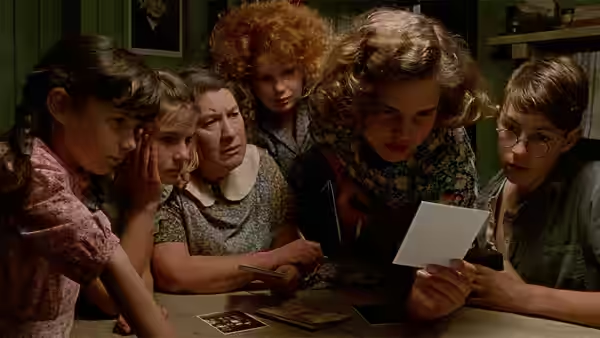
Stuart Dryburgh’s cinematography is particularly effective at keeping our attention on the actors, with little pressure to admire their surroundings instead. Grant Major’s production design gives the performances a believable domestic setting, avoiding the fussiness that can turn a biography into a display of period furniture. The rooms look usable. That matters when so much depends on accepting the family scenes as everyday life, with people who cannot know which experiences Janet will remember or what she will make of them.
Editor Veronika Jenet gives the brief episodes a rhythm that generally makes their incompleteness satisfying. A small incident can remain small without needing a final exchange to explain why it matters. Occasionally, though, the cutting leaves us preparing to enter another scene when we would happily have stayed in the last one. Jones’s screenplay accumulates experiences more readily than it develops some of them. Don McGlashan’s music is welcome for its gentleness, supporting the performances without making their emotional weight seem heavier than they can bear.
The artist’s biography often starts explaining its subject before we have had time to get acquainted. Campion and Jones largely avoid that impatience, allowing Janet’s intelligence to sit alongside behaviour that is neither convenient nor especially attractive. We are not required to approve of everything about her to stay interested. It is a generous approach, and the humour saves the film from the hushed reverence that can make a life story feel like an obligation.
At 158 minutes, this needs an evening with some space around it. The occasional impatience we felt came from wanting longer with particular moments, and Fox gives the quieter passages enough interest to repay the wait. Give it an uninterrupted evening.