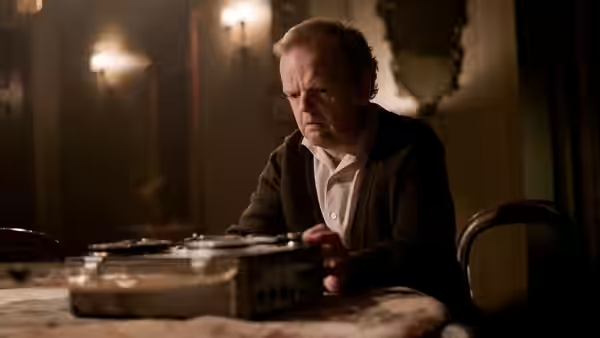
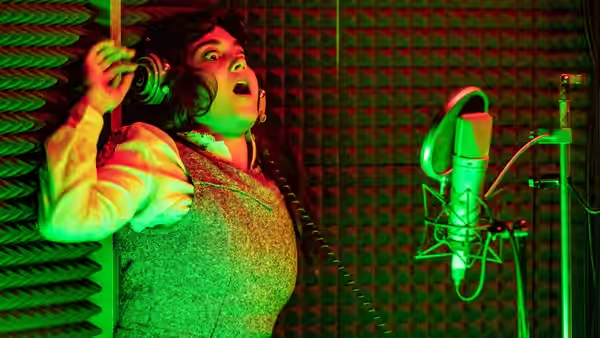
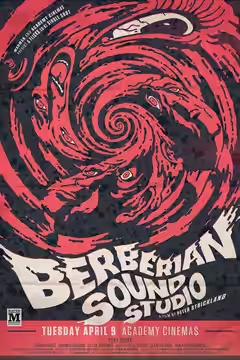
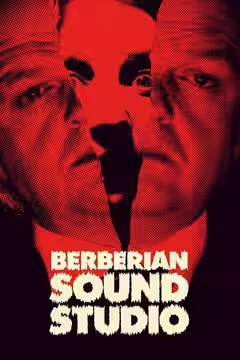
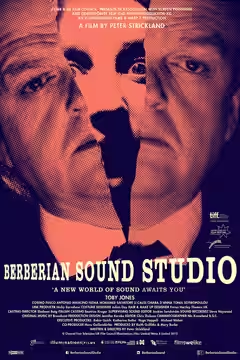
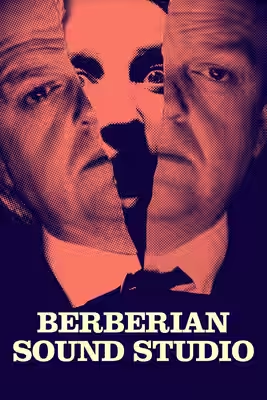
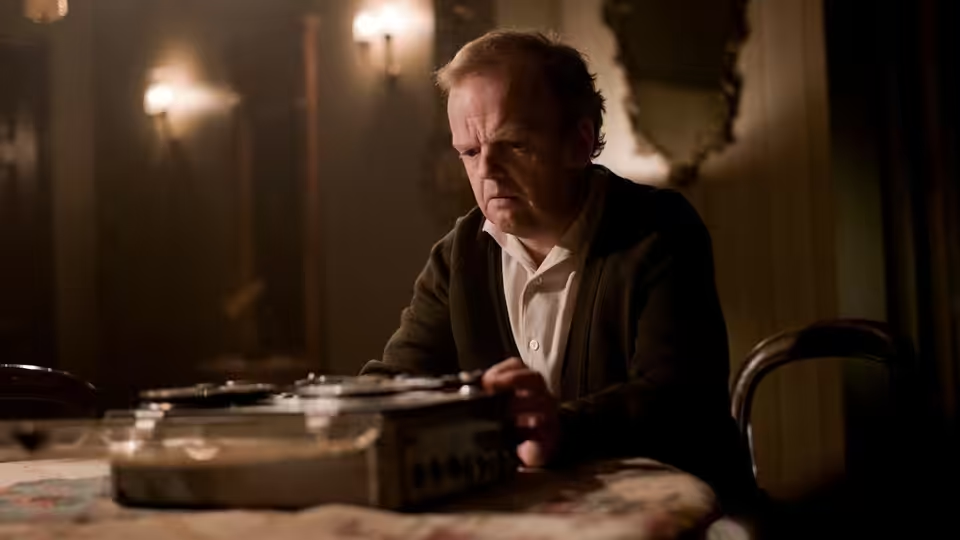
Gilderoy (Toby Jones) operates a reel-to-reel tape recorder at a table
Film review

Berberian Sound Studio

2012 · Directed by Peter Strickland · 1h 32m

In a sentenceA horror film in which even the vegetables deserve danger money

In a recording studio in 1970s Italy, British sound engineer Gilderoy (Toby Jones) takes on the sound work for a horror film. He wants to get on with the job, but it means spending his days manufacturing the noises of human suffering. Among those around him are Francesco (Cosimo Fusco), Santini (Antonio Mancino) and Elena (Tonia Sotiropoulou). Vegetables are destroyed to imitate injuries, and the violence these effects accompany stays out of sight. Gilderoy has the technical skill for the work; his reserved manner leaves him ill-equipped for the studio’s cultural misunderstandings.

Plays from YouTube when you press play; nothing loads from them until then.

Fi1m review

Peter Strickland makes the manufacture of horror effects funny, absorbing and unsettling, with Toby Jones as a nervous sound engineer. The plotting grows thin, but we recommend it to anyone who likes horror that makes them listen.

Peter Strickland’s Berberian Sound Studio makes the manufacture of horror effects absorbing, funny and disturbing. We recommend it, provided a thin story will not spoil the pleasure of watching people do peculiar work with great concentration. Gilderoy, a timid British sound engineer played by Toby Jones, has come to an Italian studio to work on a horror film. The director keeps its violence largely out of sight and makes us attend to the people providing its sounds.

Toby Jones gives Gilderoy enough reserve to make his discomfort interesting before it becomes alarming. He suggests a man who would prefer the job to take care of the conversation, and whose skill cannot quite protect him from feeling out of place. The comedy of cultural misunderstanding works because we recognise the embarrassment, rather than simply enjoying an awkward man’s difficulties. Even when the film becomes harder to follow, his uncertainty remains easy to understand.

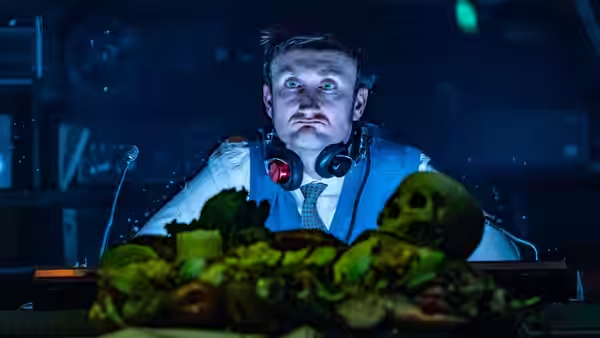
The vegetable destruction is the clearest demonstration of what the film can do. We flinched at the noises of bodily injury made from ingredients we could see were harmless. Showing the process does not stop the sounds from suggesting wounded flesh, and the sheer effort involved has its own awkward comedy. By leaving the violence to our imagination, the film also makes us notice how readily we supply it.

Nic Knowland’s cinematography makes those damaged vegetables unpleasantly compelling to look at. We study the ingredients because the finished sound is so much worse than anything we are being shown. Jennifer Kernke’s production design makes the analogue studio credible as a place of work, which matters when the work itself is so peculiar. The setting remains somewhere a conscientious engineer might want to be, long enough for us to understand Gilderoy’s involvement.

Chris Dickens’s editing makes the sound-making procedures worth following even when we would rather not hear the results. It gives the specialised work a rhythm we can settle into, an important part of the film’s appeal for anyone who enjoys watching people practise a craft. James Cargill and Trish Keenan’s music contributes to the anxiety without displacing the effects. The score keeps the listening uncomfortable, even when the practical business of producing these noises has become familiar.

The weakness is what happens once we understand how uncomfortable Gilderoy is. Peter Strickland keeps finding ways to sustain that feeling, but some stretches repeat what Toby Jones has already conveyed with less fuss. At 92 minutes, it is hardly overlong, yet there are passages where we wait for another reason to care about this particular man. The uncertainty stops being interesting when it becomes difficult to tell what he wants beyond getting through the next ordeal.

The decision to build a horror film around skilled labour gives this a welcome strangeness. The fear grows from listening closely to a job being done, which is enough to distinguish it without any knowledge of Italian genre cinema. Choose it for a patient evening, and give the sound your full attention.
Critical consensus AI synthesised

70
Positive
14
Mixed
5
Negative
2

Most critics respond warmly to Berberian Sound Studio, with praise concentrated on its sound design, Peter Strickland’s control of atmosphere and Toby Jones’s performance as a timid engineer becoming increasingly unsettled by his work. The reviews repeatedly admire how vegetable-based effects and unseen violence make the audience imagine the horror rather than watch it. Several also value the workplace humour and close attention to analogue sound production, which give the unease a convincing practical setting.

The spread is wide, however, and reservations centre on repetition, thin storytelling and an unsatisfying final stretch. Even some admirers find the film opaque or one-note, while the strongest detractors regard its psychological shifts as insufficiently developed. The Hollywood Reporter argues that the later surrealism frustrates general audiences; Collider praises the craft but finds no compelling story or persuasive reason for the engineer’s unravelling. The disagreement is chiefly over whether the atmosphere sustains a full film.

Evening Standard
31 August 2012 · Charlotte O'Sullivan
90*

The critic hails this as one of the best films of 2012, a witty and claustrophobic thriller about a sound engineer descending into confusion while working on a giallo. She singles out the clever avoidance of exploitative visuals and the director's playful handling of cultural stereotypes for praise.

Read the full review →
The Guardian
30 August 2012 · Peter Bradshaw
90*

The critic finds the film seriously weird and seriously good, an unclassifiable musique concrète nightmare that confirms Peter Strickland as a major British talent. He singles out Toby Jones's career-best performance as the mousy sound engineer whose work draws him into psychological collapse.

Read the full review →
Variety
27 June 2012 · festival review · Guy Lodge
90*

Strickland's film is a tense, teasing triumph and a delicately detailed immersion into the world of Z-grade Italian horror cinema. It excels in tonal mastery and atmospheric sound design while offering Toby Jones a standout role as the sound engineer.

Read the full review →
Empire
28 August 2012 · David Hughes
85*

The review calls it an excellent follow-up to the director's debut, anchored by Toby Jones's flawless performance as the sound engineer whose sanity unravels amid the horrors of the Italian studio. It praises the shift from audio-geek delight into Lynchian nightmare territory.

Read the full review →
The AV Club
13 June 2013 · B+ · A.A. Dowd
83

A bewitching genre whatsit that evokes 1970s Italian horror through sound alone without spilling blood; hypnotic as a psychological thriller and procedural tribute to Foley work and audio engineering, though a little one-note.

Read the full review →
Radio Times
★★★★ · Alan Jones
80

The critic highlights the film's sly deconstruction of 1970s Grand Guignol cinema through its focus on sound effects created from vegetables, calling it a dazzling curio that cleverly questions perception and the power of what is heard.

Read the full review →

Straight answers AI written, from our review

Is Berberian Sound Studio worth watching?
Berberian Sound Studio is worth watching for anyone who likes horror that works through sound rather than spectacle, and we scored it 78. Toby Jones's nervous engineer and the vegetable-smashing effects work are absorbing, funny and unsettling in equal measure. The story thins out in the later stretches, so it suits a patient evening rather than an impatient one.
How long is Berberian Sound Studio, and what is it rated?
Berberian Sound Studio runs 1h 32m. It is a horror and drama film.
Where can I watch Berberian Sound Studio in the US?
Berberian Sound Studio is streaming on AMC+, Amazon Prime Video and The Roku Channel in the US, and it is also available to rent from Amazon Prime Video from $3.99. Availability is checked daily; the links above go straight to each service.
How violent or frightening is Berberian Sound Studio, and is it suitable for children?
Berberian Sound Studio carries a UK 15 certificate, and its violence stays almost entirely off screen, heard rather than seen. What we hear is unpleasant: the noises of bodily injury, made from vegetables, are convincing enough that we flinched. It is not for children, but the squeamish may find it more bearable than most horror, since the images are of studio work, not wounds.
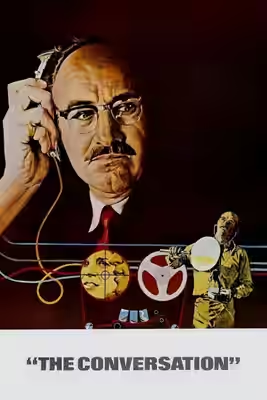
How does Berberian Sound Studio compare to The Conversation?
Berberian Sound Studio and The Conversation both make close listening the source of their unease, and both centre on a lonely man whose skill cannot protect him. Coppola's film is the tighter thriller, with a stronger plot and a more wounding performance from Gene Hackman. Strickland's is the odder and funnier of the two, better for viewers who enjoy watching a craft practised than for those who want suspense to build steadily.
What should I watch after Berberian Sound Studio?
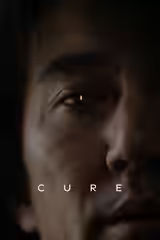
After Berberian Sound Studio, try The Conversation (1974, Fi1m 92): The close listening is just as absorbing, and the solitude just as uncomfortable. Then Cure (1997, Fi1m 85): A patient investigation for those who prefer their dread difficult to explain.

Cast

If you liked this, try…

  1. The Conversation (1974, Fi1m 92)The close listening is just as absorbing, and the solitude just as uncomfortable.

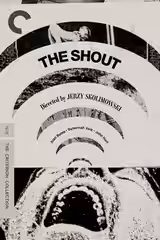
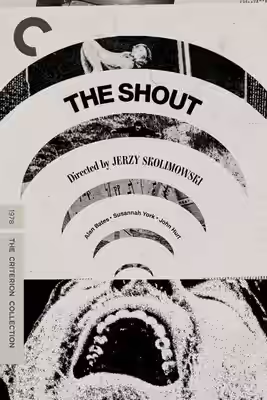
  2. The Shout (1978) · not reviewed yetSound becomes threatening again, in a stranger and more openly supernatural setting.

  3. Cure (1997, Fi1m 85)A patient investigation for those who prefer their dread difficult to explain.

  4. The Headless Woman (2008) · not reviewed yetAnother disorientating study of perception, with sound doing much of the unsettling work.

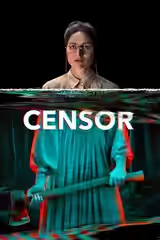
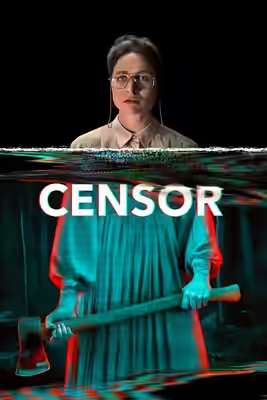
  5. Censor (2021) · not reviewed yetHorror becomes a day job again, with similarly poor prospects for peace of mind.

Free account

Know what to watch tonight

Two lists that know where things are streaming, collections you can share, your own score beside ours, and Discover that remembers what you have seen.

  • Want to see, sorted by what is streaming now
  • Seen, with your score out of ten
  • No adverts, ever