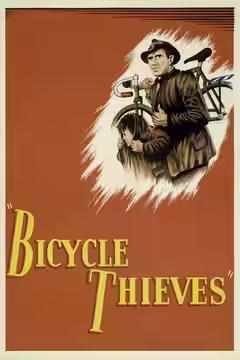
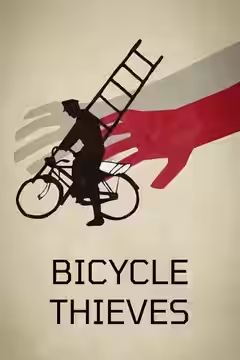
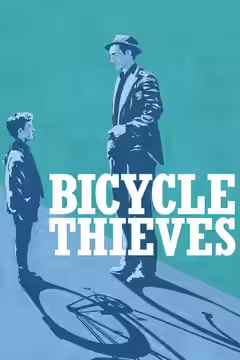
Vittorio De Sica’s drama about a stolen bicycle is moving enough to justify its reputation. We warmly recommend it for the father-son performances, with one reservation about music that tells us what we already feel.
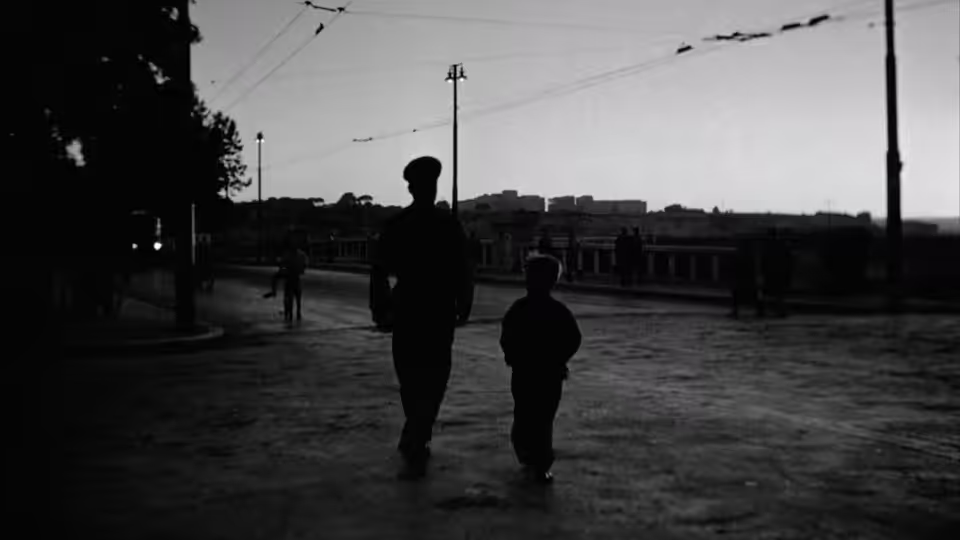
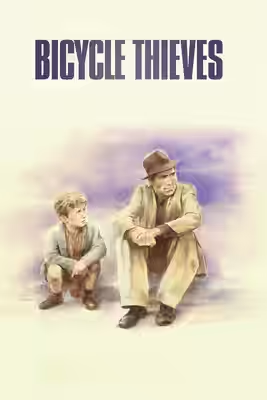
Bicycle Thieves makes the loss of an ordinary possession feel serious enough to occupy an entire film, and we would recommend it without asking for any interest in film history. In postwar Rome, a workman searches for his stolen bicycle with his son beside him. Vittorio De Sica gives that search the attention a thriller might give a kidnapping, without making poverty exciting. We know what Antonio wants, and the film makes us feel how little room he has for anything to go wrong.
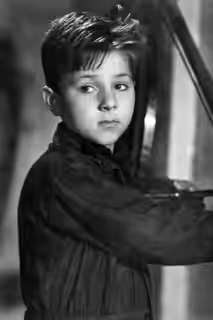
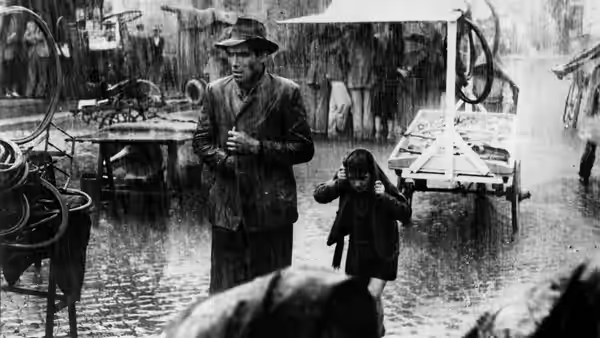
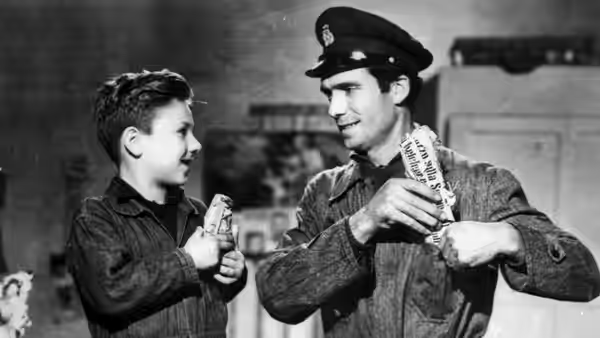
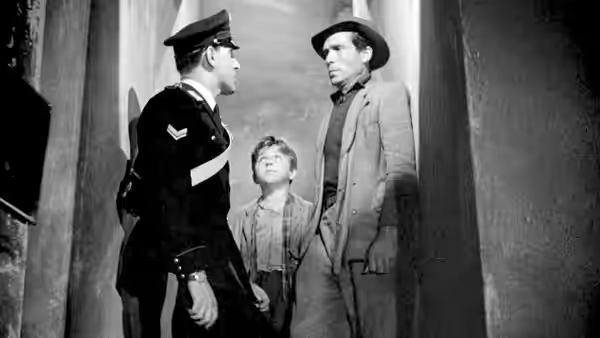
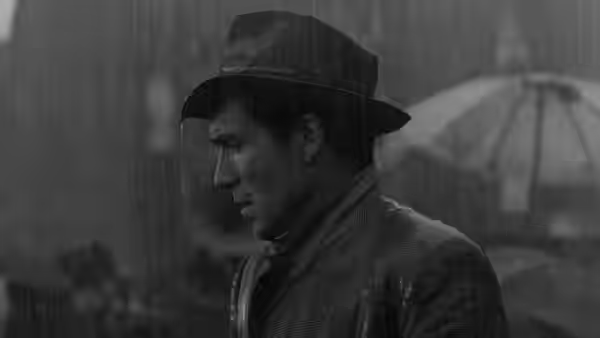
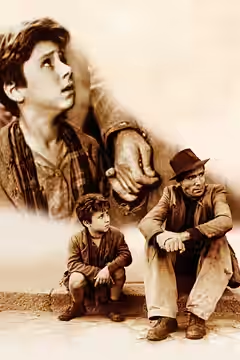
Lamberto Maggiorani plays Antonio without the reassuring polish that can make screen hardship seem manageable. His desperation is convincing because it does not look like a quality he wishes anyone else to admire. Enzo Staiola, as Bruno, changes the stakes simply by staying alongside him. We found Antonio’s humiliation painful to watch because his son is there to witness it. An unsuccessful search becomes something a father must undergo in front of the child who depends on him.
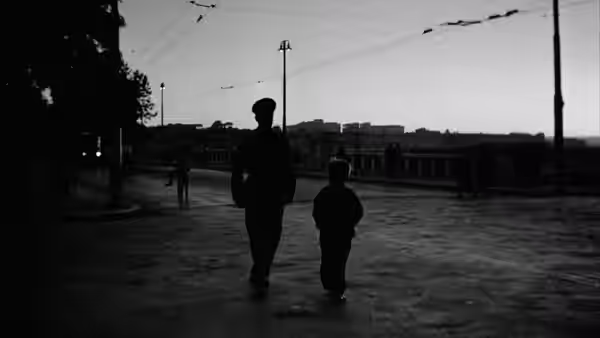
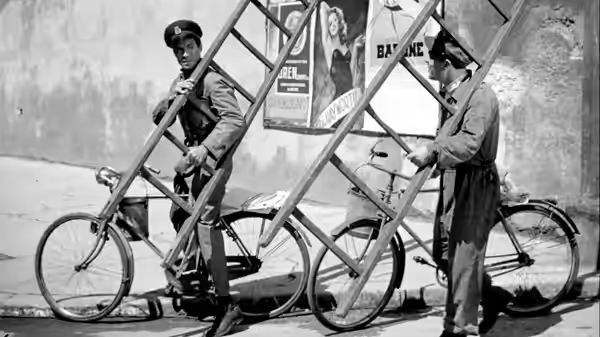
Carlo Montuori’s location photography gives Rome a documentary clarity that makes the search easy to follow and difficult to escape. The streets look capable of containing the bicycle somewhere, which keeps hope alive even when searching them begins to seem hopeless. Antonio Traverso’s production design helps the surroundings feel convincingly ordinary, with nothing conspicuously arranged to make Antonio look more unfortunate. Their work gives us a city full of people whose lives will continue regardless of whether he finds his bicycle.
Eraldo Da Roma’s editing lets the search develop through encounters, giving each interruption time to matter. Time spent failing to get anywhere becomes part of the strain. There is a short middle stretch when that patience feels less productive, and we begin to register the delay more than Antonio’s need. It passes, though, and the film mostly judges how long to stay with frustration without making us indifferent.
Alessandro Cicognini’s score is less restrained. It sometimes underlines sadness so heavily that the music becomes a distraction from the faces, and we would have preferred more trust in the actors. This is the strongest basis for finding the film manipulative, though it does not account for how persuasive the central performances remain. Enzo Staiola gives Bruno enough separate presence to keep him from becoming merely a child provided to make an adult’s troubles more touching.
As a neorealist drama, it makes persuasive use of real locations and non-professional performers. Poverty affects the search throughout, but the film does not require everyone Antonio encounters to behave with calculated cruelty. Other people have their own concerns, and that ordinary limit on their attention is often enough to leave him without help. The touches of humour matter, too: the people can be funny without the film asking us to feel superior to them.
At 89 minutes, it asks for less time than its weighty reputation might suggest. There is no need to treat it as homework, or to arrive with a view on Italian cinema; the missing bicycle gives us enough to care about. Watch it when there is time afterwards to sit quietly for a bit.