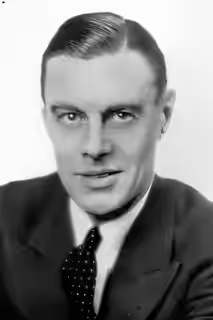
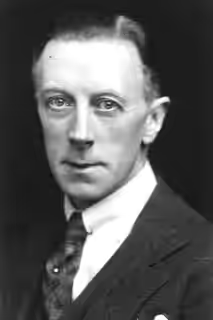
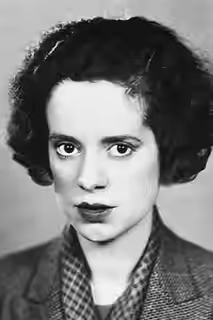
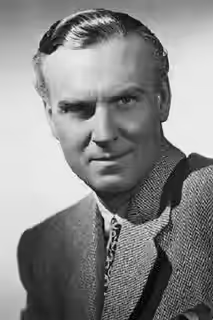
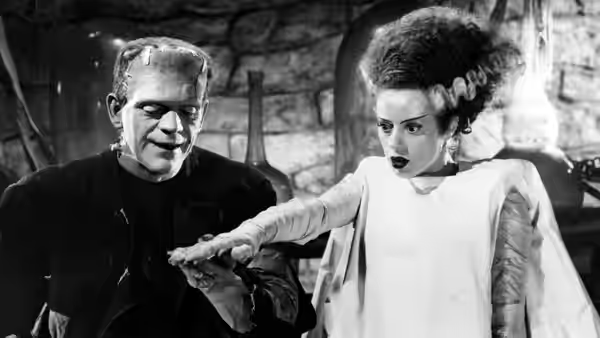
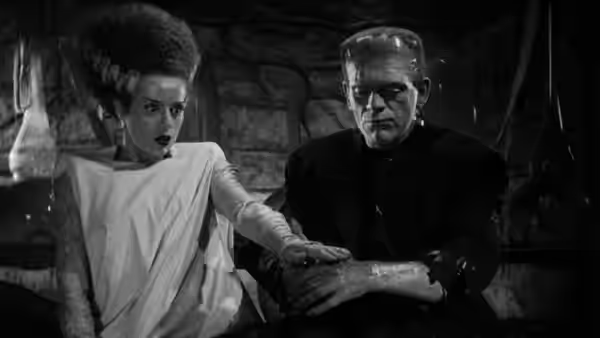
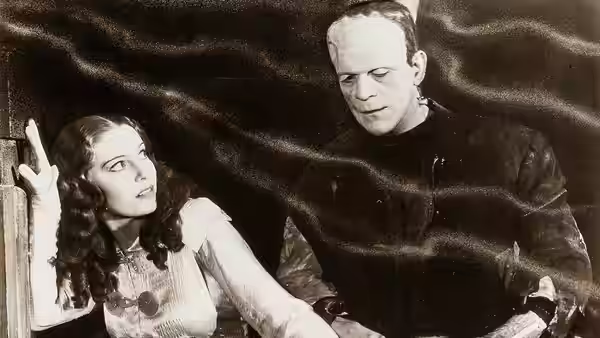
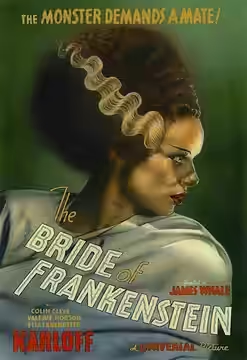
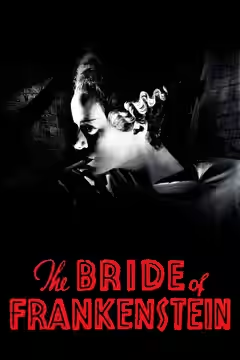
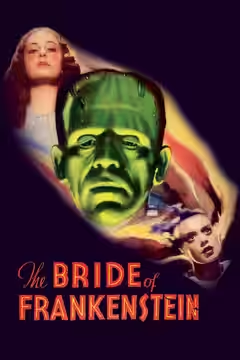
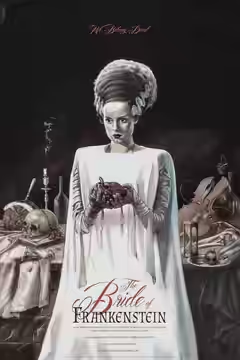
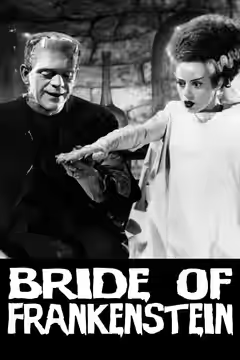
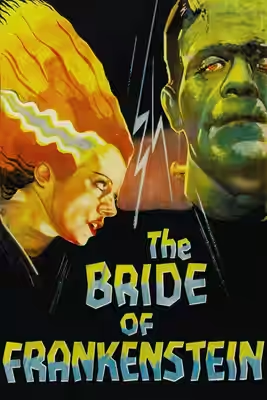
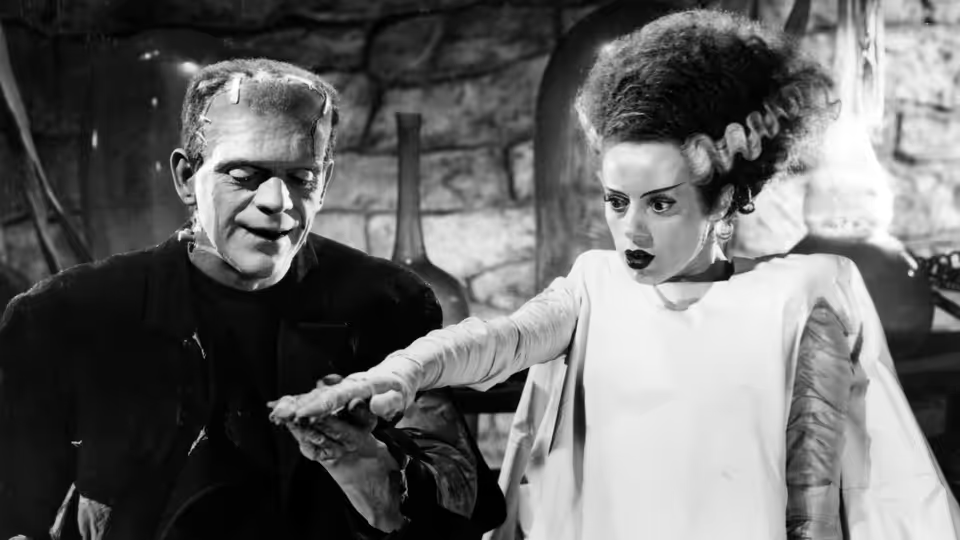
The Monster (Boris Karloff) and the Bride examine a hand in the lab
Film review

Bride of Frankenstein

1935 · Directed by James Whale · 1h 15m · MPA NR

In a sentenceThe monster needs a friend, and the scientists need considerably less encouragement

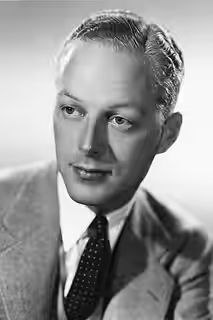
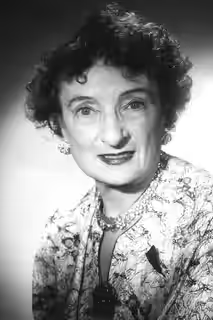
Mary Wollstonecraft Shelley (Elsa Lanchester) introduces a further chapter in the story of Henry Frankenstein (Colin Clive) and The Monster (Boris Karloff). The business of creating life draws Henry into the company of Doctor Pretorius (Ernest Thesiger), whose plans involve a mate for the creature. Another experiment promises to add a second being to the first, without settling what the scientists owe either of them. Henry’s work and The Monster’s needs become competing concerns as the story returns to the men making life and the creature who must live it.

Fi1m review

James Whale makes room for laughter without treating the creature as a joke. Boris Karloff and Ernest Thesiger make this an unusually moving horror sequel, though Elsa Lanchester deserves more of its 75 minutes.

James Whale understands how ridiculous the business of making people can look, and lets us laugh without losing interest in the people being made. Bride of Frankenstein is an excellent horror sequel, strange, funny and tender enough to make its cruelty hurt. Its 75 minutes accommodate Gothic menace, a scientist who seems to be enjoying himself far too much, and a creature whose feelings matter. The shifts can be abrupt, but he usually knows when to stop the joking.

The opening gives Elsa Lanchester the role of Mary Wollstonecraft Shelley, framing the story before the horrors resume. That decision makes room for playfulness from the start: someone is telling this tale, and the film lets us notice the telling. The screenplay by Edmund Pearson and William Hurlbut puts horror, satire and whimsy alongside one another without apologising for the changes. For a sequel, that is a welcome ambition; repeating the familiar fright would have been easier.

Boris Karloff supplies the reason to care when the film becomes most peculiar. His Monster has speech, but the emotion does not depend simply on being able to explain himself; the actor gives the creature’s demands a child’s urgency without making him harmless. We were moved by the effort in his speaking, because getting words out does so little to make him seem less isolated. The performance permits neediness, anger and the possibility of violence to occupy the same moment. Pity never requires us to forget that he is dangerous.

Ernest Thesiger makes Doctor Pretorius so entertaining that his interest in creation begins to seem a particularly unhealthy hobby. His flamboyance suits a film willing to let its scientists look absurd, and he makes the absurdity faintly threatening. Colin Clive plays Henry Frankenstein at a much more feverish pitch, which can become wearing beside his fellow doctor’s assurance. That agitation also gives the experiments a useful sense of human strain: Henry makes scientific obsession look exhausting.

John J. Mescall’s expressionist photography makes the Gothic settings feel oppressive even when the acting invites laughter. The sets do not become harmless simply because somebody in them is funny, and their exaggeration gives Doctor Pretorius somewhere his theatrical behaviour belongs. Franz Waxman’s music helps sustain the feeling through these changes of tone, keeping the creature’s unhappiness present amid the macabre entertainment. Ted J. Kent’s editing keeps the crowded mixture moving, though some transitions have more energy than grace.

The chief reservation concerns Elsa Lanchester: the film gives her too little space. She has the precision to hold our attention without the busy display around her, and we wanted longer to watch her work. Some of James Whale’s broader humour also presses too hard, particularly beside Boris Karloff’s patient attention to the creature’s feelings. A running time this short is not an automatic virtue when a performance we want to follow gets crowded out.

Horror sequels often give a familiar creature extra victims and call that development. James Whale takes the more interesting route of letting his Monster speak, which makes us listen to someone we might otherwise have been content to fear. There is nothing dutiful about the sympathy; Boris Karloff earns it while the film carries on being peculiar and entertaining. Give this one an evening even if old laboratory horrors are not usually your choice.
Critical consensus AI synthesised

86
Positive
14
Mixed
0
Negative
0

The consensus is firmly positive: all fourteen reviews praise James Whale’s sequel, and several judge it an improvement on the original Frankenstein. Praise centres on Whale’s handling of horror, macabre humour and sympathy for the creature, supported by Gothic sets, expressive photography and inventive art direction. Boris Karloff’s emotional depth draws repeated admiration, while Ernest Thesiger’s flamboyant Pretorius and Elsa Lanchester’s performance give the critics plenty to enjoy beyond the monster himself.

The differences are chiefly in enthusiasm and emphasis, rather than substantial objections. Some reviews concentrate on satire, camp and subversion; others stress the creature’s humanity and the story’s moral complexity. Variety supplies the clearest reservation, wishing the Bride had more screen time despite admiring Lanchester’s work. The praise ranges from warm approval to much stronger enthusiasm, but there is no negative dissent among these reviews.

Radio Times
★★★★★ · Alan Jones
100

James Whale's extravagantly produced sequel ranks as one of horrordom's greatest achievements, with wittily eccentric direction, Elsa Lanchester's electric hairdo, Ernest Thesiger's ingenious Dr Pretorius and Boris Karloff's poignant yet pushy monster. Some scenes, like the unveiling of the bride, are of emphatic classic status.

Read the full review →
Vulture
8 November 2025
95*

The critic ranks Bride of Frankenstein as the top Frankenstein film overall, highlighting its exciting and haunting take on the mythos with rich story, queer subtext, pathos, hysteria and a classic feast for the senses in its climactic scene.

Read the full review →
Empire
1 January 2000 · Simon Braund
90*

The critic calls it one of the most beguiling American films ever made, outstripping the original Frankenstein in invention, visual splendour, humour, subversion and subtle characterisations. They single out the performances of Karloff, Lanchester and Thesiger, along with the art direction, cinematography and Whale's deft direction blending horror, satire and whimsy.

Read the full review →
RogerEbert.com
3 January 1999 · Roger Ebert
90*

Ebert praises it as the best of the Frankenstein films, a sly subversive masterpiece of art direction that blends satire, excitement and humor while allowing the Monster more depth and speech.

Read the full review →
The AV Club
28 October 2024
90*

The critic ranks Bride of Frankenstein as the best in the Frankenstein series for being stranger, funnier and more beautiful than its predecessor, praising its oddball touches like the Mary Shelley framing device and the melancholy ending.

Read the full review →
The New York Times
11 May 1935
90*

The review calls it a first-rate horror film with excellent direction by Whale, strong performances especially from Karloff as the Monster, and effective settings, photography and makeup.

Read the full review →

Straight answers AI written, from our review

Is Bride of Frankenstein worth watching?
Bride of Frankenstein is worth watching for anyone with an evening for a strange, funny and unexpectedly tender horror sequel, and we scored it 89. Boris Karloff's speaking Monster and Ernest Thesiger's gleeful Doctor Pretorius carry it, though Elsa Lanchester is given too little of its 75 minutes and some of the broader comedy presses too hard.
How long is Bride of Frankenstein, and what is it rated?
Bride of Frankenstein runs 1h 15m and is rated NR by the MPA in the US. It is a horror and science fiction film.
Where can I watch Bride of Frankenstein in the US?
Bride of Frankenstein is streaming on Peacock, Amazon Prime Video and The Roku Channel in the US, and it is also available to rent from Amazon Prime Video and Apple TV from $3.99. Availability is checked daily; the links above go straight to each service.
How violent or frightening is Bride of Frankenstein, and is it suitable for children?
Bride of Frankenstein carries a UK PG certificate, and its frights are Gothic menace and laboratory unease rather than graphic violence. The creature is dangerous as well as pitiable, and there is cruelty that hurts because the film has made us care, so younger or nervous children may find it upsetting; older children and teenagers should manage it comfortably.
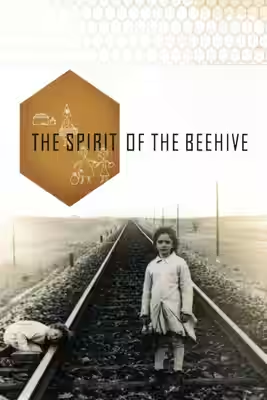
How does Bride of Frankenstein compare to The Spirit of the Beehive?
Bride of Frankenstein is the livelier and stranger of the two, mixing horror, satire and pathos in 75 minutes, while The Spirit of the Beehive is quiet, patient and troubling, following a child's fascination with the Frankenstein story. Whale's film suits an evening of macabre entertainment; Erice's asks for more attention and rewards it with Ana Torrent's remarkable performance, though its beautiful images occasionally keep us at a distance.

Cast

Awards

Academy Awards, 1936

Nominated
Best Sound

If you liked this, try…

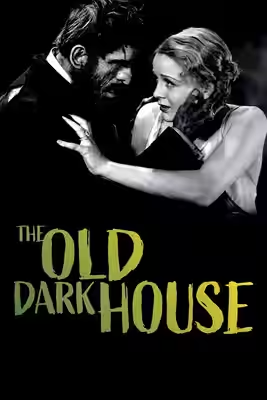
  1. The Old Dark House (1932) · not reviewed yetJames Whale lets frightened guests and strange hosts make each other worse.

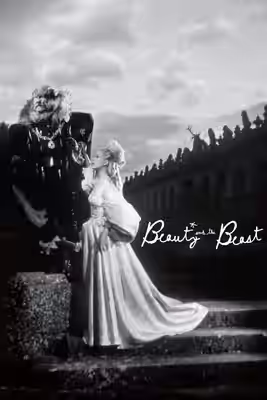
  2. La Belle et la Bête (1946) · not reviewed yetAnother feared creature invites sympathy, with fairy-tale rooms worth lingering in.

  3. The Spirit of the Beehive (1973, Fi1m 87)A child’s encounter with Frankenstein opens a quieter, troubling story about fear.

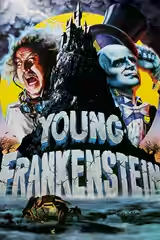
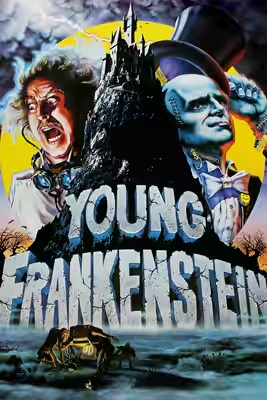
  4. Young Frankenstein (1974) · not reviewed yetThe laboratory gets a thorough comic inspection, without losing affection for its monster.

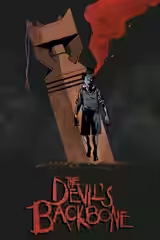
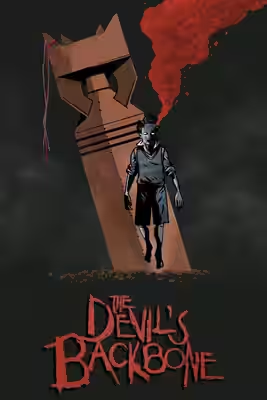
  5. The Devil's Backbone (2001) · not reviewed yetA ghost story whose compassion survives its cruelty, with children carrying the burden.

Free account

Know what to watch tonight

Two lists that know where things are streaming, collections you can share, your own score beside ours, and Discover that remembers what you have seen.

  • Want to see, sorted by what is streaming now
  • Seen, with your score out of ten
  • No adverts, ever