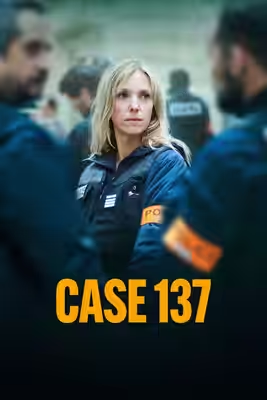
Dominik Moll’s Case 137 is a good police procedural, held together by Léa Drucker’s restrained performance. The painstaking investigation grips; the broader discussion of policing sometimes tells us what the evidence has already made clear.
Dominik Moll makes the routine of investigating police misconduct sufficiently absorbing that the slower discussions can become a nuisance. Case 137 earns our interest through its close attention to evidence. The screenplay, written by Dominik Moll and Gilles Marchand, follows an inquiry whose difficulties extend beyond identifying the officers involved. It asks how far an investigator can get when the organisation employing her also has reasons to resist her work.
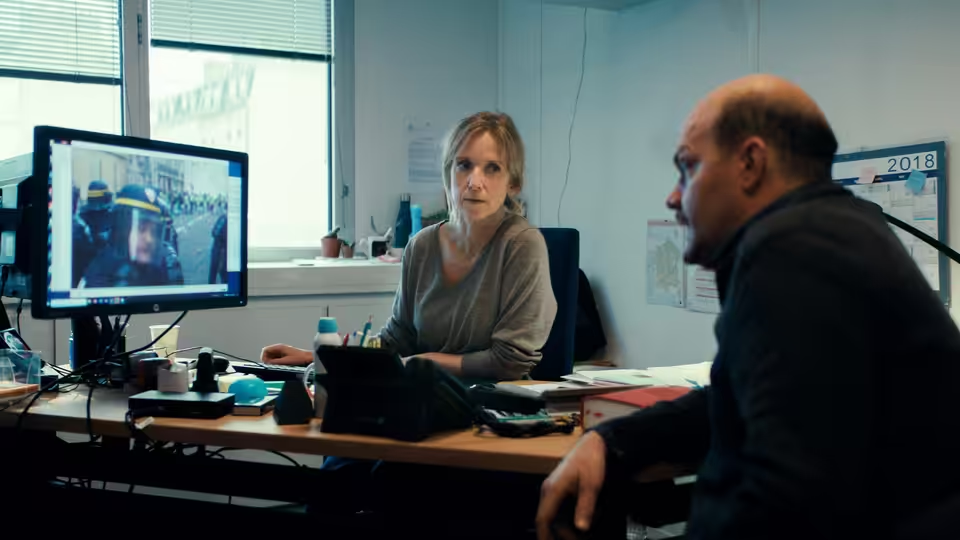
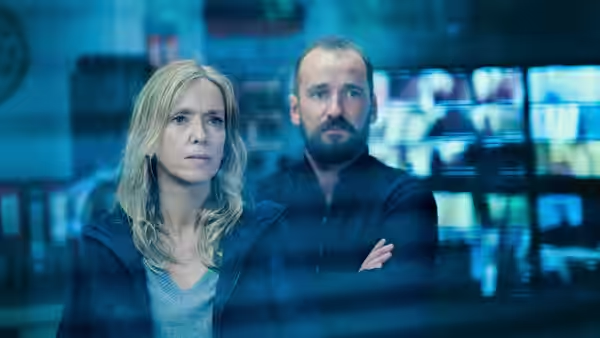
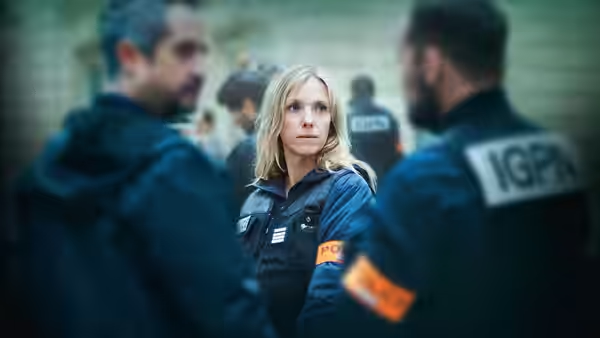
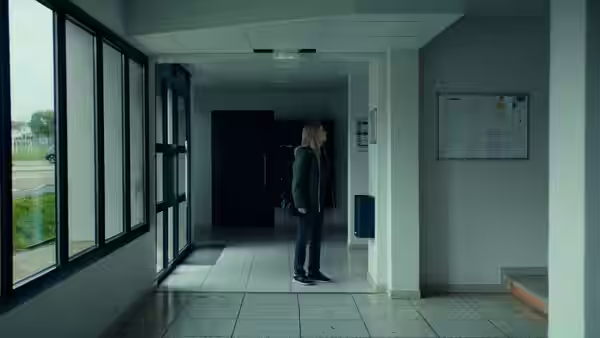
Léa Drucker plays Stéphanie Bertrand with an authority that does not exclude uncertainty or hurt. She makes the investigator’s persistence credible without turning every obstacle into an invitation for a speech. The performance allows small signs of vulnerability to complicate the professional composure, and those changes are enough to keep a largely procedural film attached to a person. We remain interested in what she will make of the evidence, even when the inquiry itself slows down.
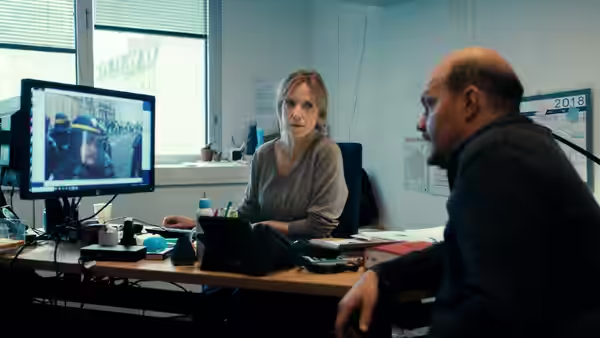
The painstaking work of tracing officers through CCTV is the film’s strongest material. Laurent Rouan’s editing gives that examination momentum without making the underlying task seem trivial: attention, comparison and patience are allowed to become dramatic. We grew angry watching this work meet institutional resistance, because the difficulty lies partly in getting the police to accept scrutiny of their own conduct. The film makes that frustration comprehensible through the investigation itself, without needing to turn the investigator into an action hero.
Patrick Ghiringhelli’s cinematography belongs to a film that also uses varied footage, so a single polished look would be beside the point. The images are useful to us because they need to be read, not simply admired. Olivier Marguerit provides the music and Emmanuelle Duplay the production design. The sequence construction does the most noticeable work, keeping ordinary investigative tasks tense without requiring constant physical danger.
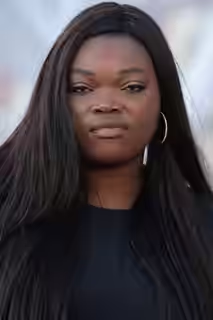
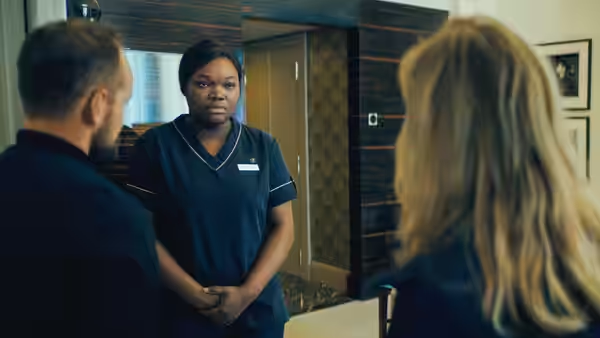
Guslagie Malanda, as Alicia Mady, brings a concentrated intensity that helps expose how thin some of the surrounding scenes are. Her presence makes us want more time with the supporting characters. Questions of race, class and public judgement enter through these people, but some of the discussion spells out their significance too neatly. Those passages could be shorter without sacrificing anything we need to understand.
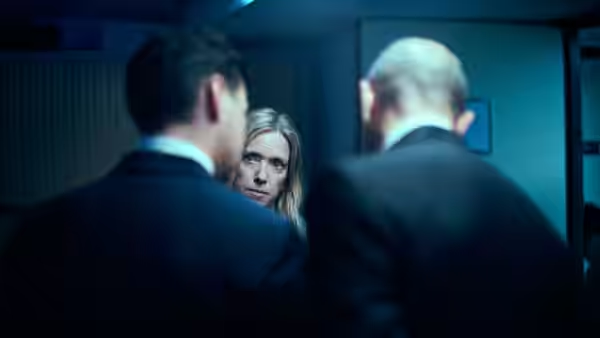
The metro sequence shows how effectively Dominik Moll can organise a scene for immediate suspense. It gives a useful change of pace to a film so committed to patient inquiry, though the tension elsewhere does sometimes slacken. At 115 minutes, there is room to trim some of the passages that reinforce an established point. We wanted the film to trust the attention its investigative scenes had already earned.
We would choose it for a patient evening, with company willing to argue about policing afterwards. It earns that conversation through the seriousness of the investigation, even when the dialogue becomes too insistent. Those looking for a brisk crime thriller should make another choice.