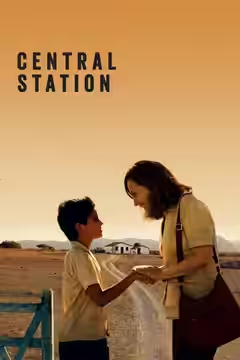
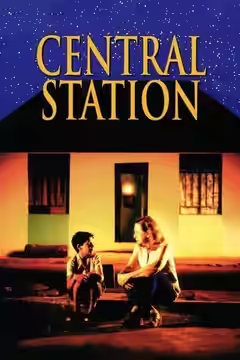
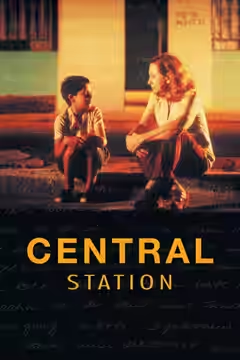
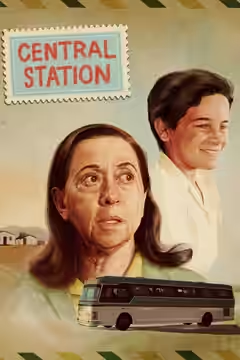
Give Montenegro makes a reluctant travelling companion worth spending time with in Walter Salles’s moving road drama. The story occasionally reassures us too readily, but the central relationship earns our affection.
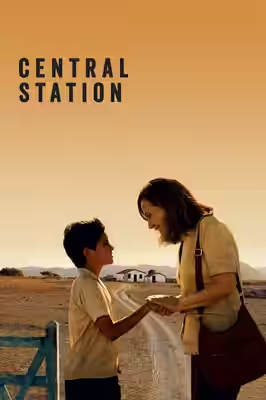
Walter Salles’s Central Station is a moving road drama with enough bad temper to make its kindness credible. Its familiar arrangement, a reluctant adult travelling with a child, gives us a fair idea of where their relationship is heading before the journey begins. Dora is a cynical letter-writer and retired teacher; Josué wants to find his father. Salles does not need to disguise the promise of their growing attachment, and wisely spends his effort making their initial resistance convincing. We recommend it, chiefly for the difficult woman Give Montenegro allows Dora to remain.
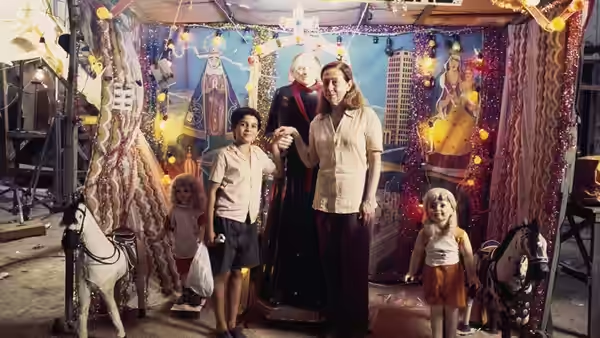
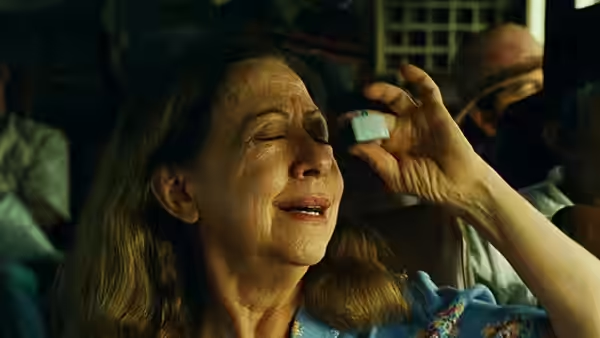
Montenegro does not ask us to excuse Dora before we have properly met her. There is something disquieting about a woman who can put other people’s feelings into words while showing so little interest in the people themselves. The performance keeps that selfishness plainly visible, rather than treating it as an amusing prelude to the real character. We were moved by how grudgingly Montenegro lets Dora’s concern for the boy show. Her performance keeps the woman’s impatience visible even as that concern grows.
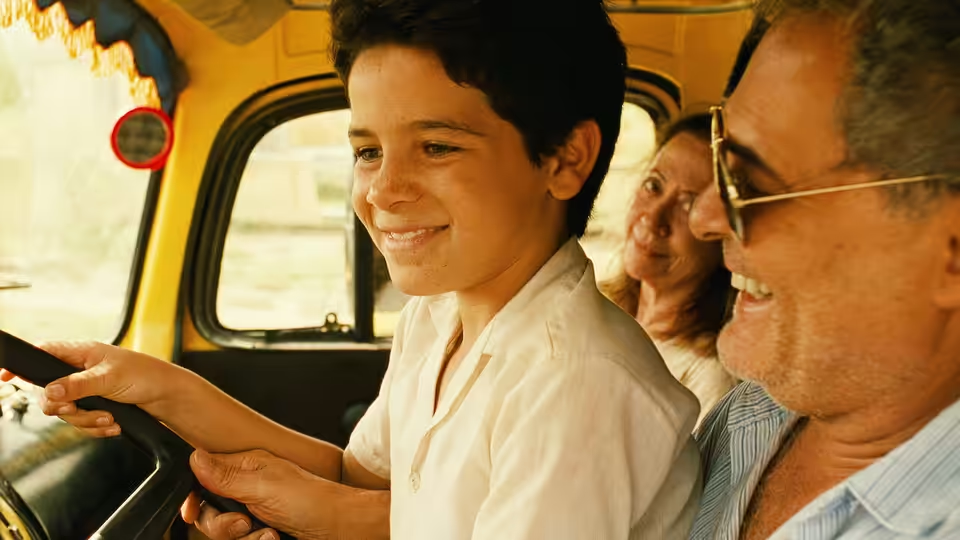
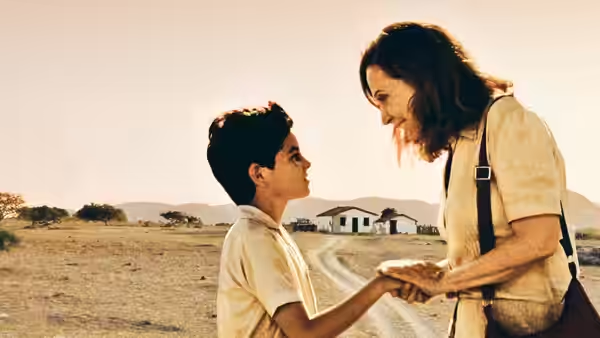
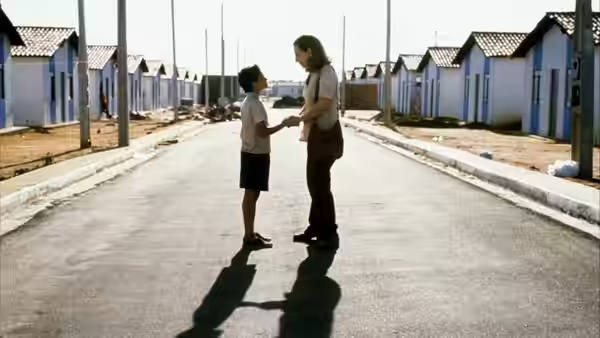
Vinícius de Oliveira gives Josué enough hardness to prevent the partnership becoming an adult’s lesson in goodness. His suspicion matters: Dora has someone to contend with, not merely someone to look after. The strongest passages let their mutual distrust persist without making either character especially winning. Salles takes the child’s resistance seriously, and de Oliveira holds his own against Montenegro without turning Josué into a small entertainer. Their mutual suspicion gives both performances something to work against.
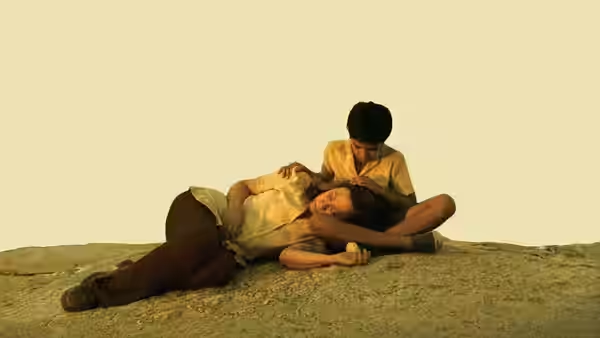
Walter Carvalho’s cinematography makes the journey through rural Brazil feel observed rather than prettified. The land is allowed to look unglamorous, and the documentary-like attention to their surroundings stops the trip becoming a procession of attractive views. Production designers Cassio Amarante and Carla Caffé contribute to that unpolished sense of place. Their work is unobtrusive enough that we accept the surroundings without stopping to admire the arrangement. Throughout the journey, the country is seen from the perspective of these two uncertain travellers.
Editors Isabelle Rathery and Felipe Lacerda keep the gradual change between the leads clear across the journey. The film gives their resistance time to become tiring without allowing it to exhaust our patience. The music by Jaques Morelenbaum and Antonio Pinto is less welcome when its warmth encourages feelings the actors have already earned. We do not need much prompting to care about these two. There are moments when we would prefer the score to offer less help.
The screenplay, credited to João Emanuel Carneiro, Marcos Bernstein and Salles, occasionally makes Dora’s change too easy to anticipate. The script reassures us about her when we would rather be left to decide what we think. Montenegro makes the character’s awkwardness more interesting than these reassurances. Within the road drama, however, Salles finds enough friction to keep the familiar companionship from feeling automatic. He keeps returning to the trouble these two have accepting one another’s company.
What stays with us is Montenegro’s unwillingness to make Dora gracious simply because we have spent time with her. The film is tender, sometimes more insistently than it needs to be, but it has earned our concern before it asks for our tears. At 111 minutes, it allows the relationship time to develop without making patience a condition of admission. Give Montenegro your full attention, even when Dora seems determined to discourage it.