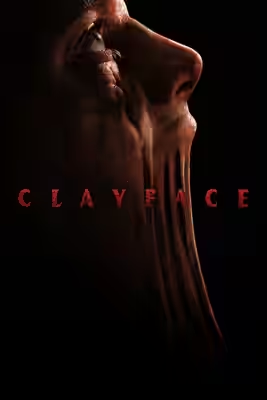
James Watkins delivers grisly transformations and a committed lead performance from Tom Rhys Harries. The thin characters and predictable writing keep Clayface at the level of a serviceable monster film.
James Watkins makes Clayface a serviceable monster film with some unpleasantly effective transformations. We would steer body-horror enthusiasts towards it, with a warning about the thin writing. It understands the basic fear of a body becoming unfamiliar and pursues that fear with enough commitment to sustain interest. The difficulty comes when the screenplay asks its characters to matter beyond the physical ordeals they endure; too often, there is little else to know about them.
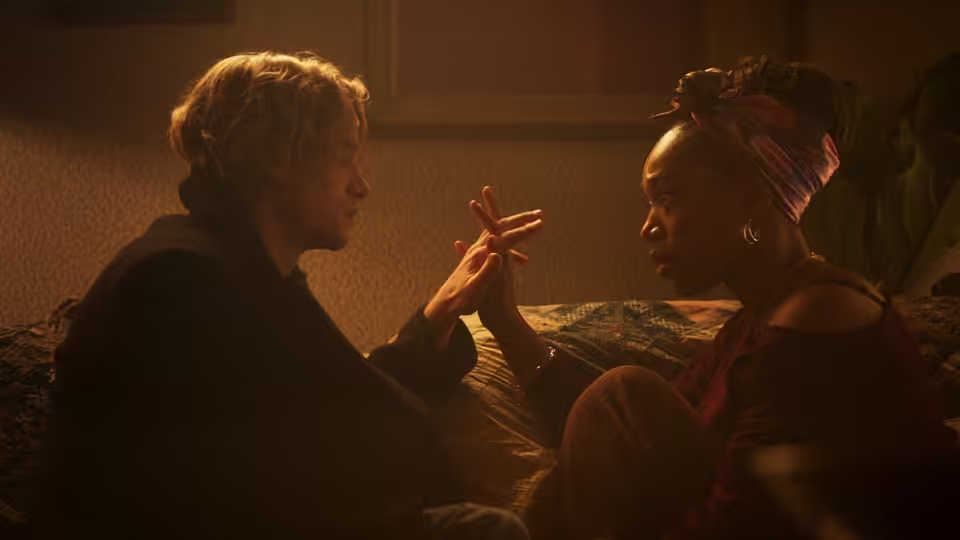
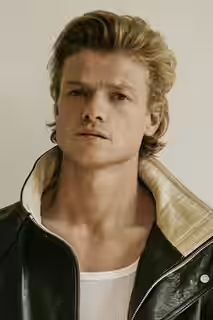
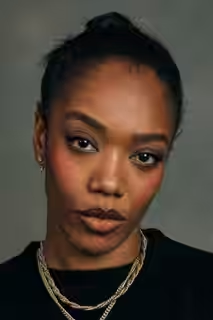
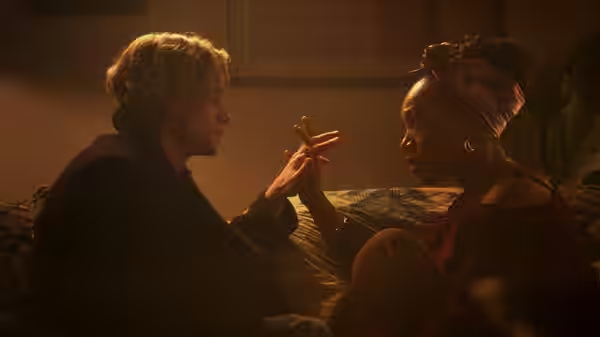
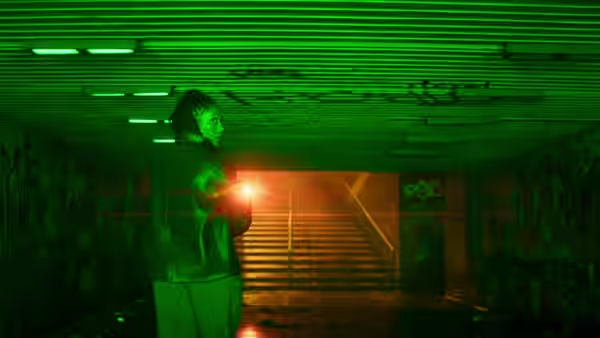
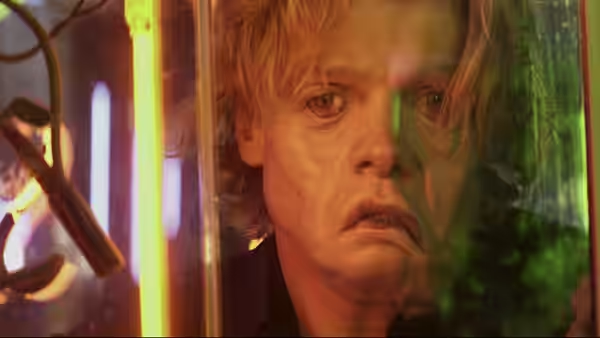
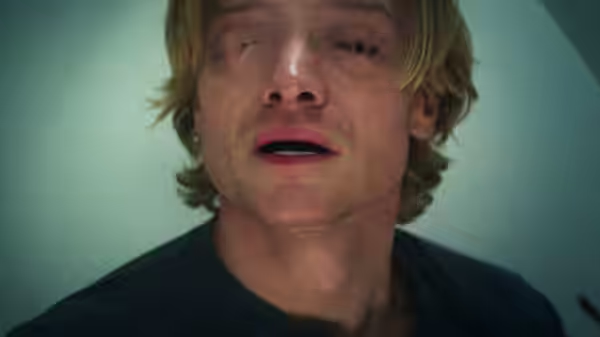
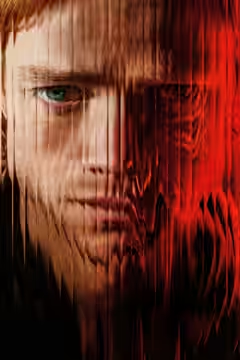
Tom Rhys Harries is the principal reason Matt Hagen remains worth following. He gives the suffering enough conviction to prevent the character from becoming merely an excuse for another effect, although the script leaves him with too much of that work. Naomi Ackie, playing Caitlyn Corr, helps give the film a human presence beyond its lead. Both performances suggest a fuller drama than the writing consistently provides, which is frustrating in a story so dependent on sympathy.
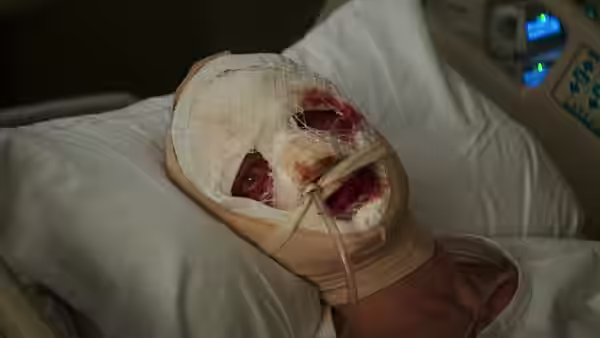
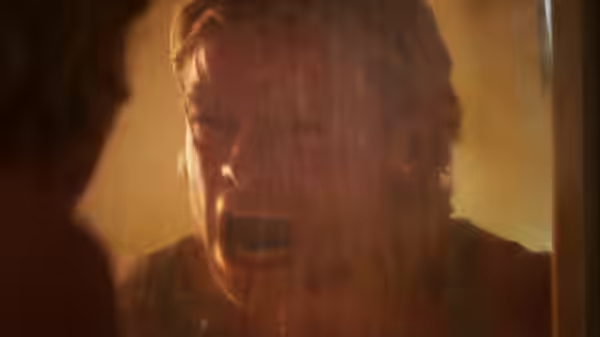
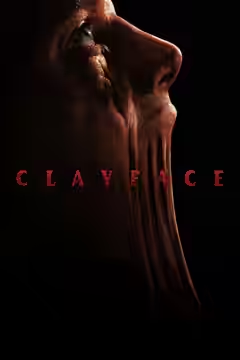
The practical effects are the strongest attraction, particularly when the horror stays close to the body. The thought of Matt’s flesh becoming something he cannot control makes us wince; the recognisable person undergoing the transformation gives the ugliness its force. At other points, muddy effects make the action harder to read than it needs to be. There is still enough physical conviction here to make the premise uncomfortable, without requiring every transformation to become a demonstration of how much the effects can do.
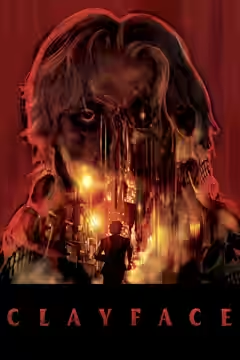
Rob Hardy’s cinematography uses shadow effectively in the transformations, allowing concealment to contribute to the horror. Jon Harris’s editing helps those changes along through judicious cuts, avoiding the need to show everything continuously. James Price gives Gotham a visibly artificial, hostile appearance that suits a film in which familiar shapes become unreliable. That artificiality is a useful choice, although the city does not consistently become a compelling setting in its own right.
The screenplay by Hossein Amini and Mike Flanagan is less resourceful. Too much of the dialogue has the flatness of people getting through necessary information, leaving the actors to supply the feeling themselves. The predictable plotting compounds the problem, because the conversations offer little distraction from knowing roughly where the story is heading. A straightforward monster film can survive familiar developments, but it needs people whose responses to those developments are worth following, and the supporting characters remain thin.
Hauschka’s music has to support a tragedy the screenplay has only partly developed. The grotesque effects also create a tonal difficulty: some moments intended to convey suffering invite amusement instead, weakening the sympathy the performances work to establish. Humour belongs in this sort of horror, and solemnity would hardly improve every scene. The problem is that the film does not always seem in control of the response its ugliness produces.
Within body horror, physical disgust can carry a modest story quite a long way. Clayface has enough invention in its transformations, and enough commitment from its lead, to justify interest from people who enjoy the genre. Its limited character writing prevents a firmer recommendation, however convincingly it makes flesh misbehave. Go for the practical effects and Tom Rhys Harries; keep expectations of the conversations modest.