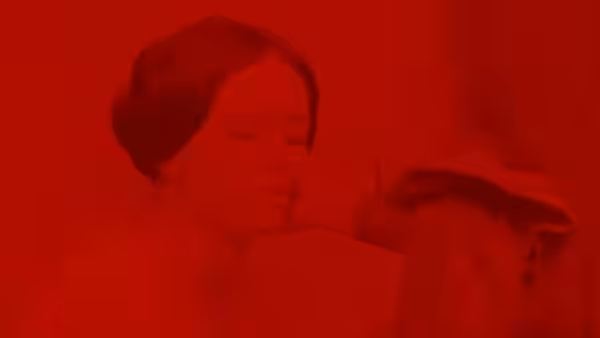
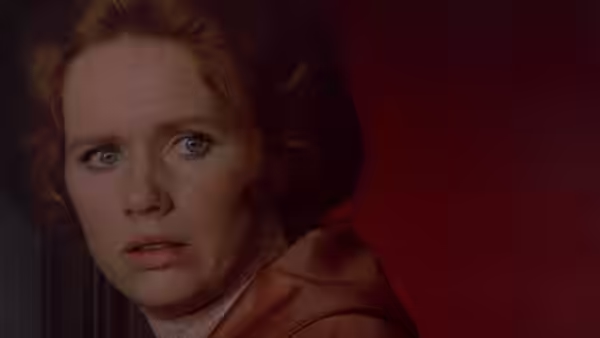
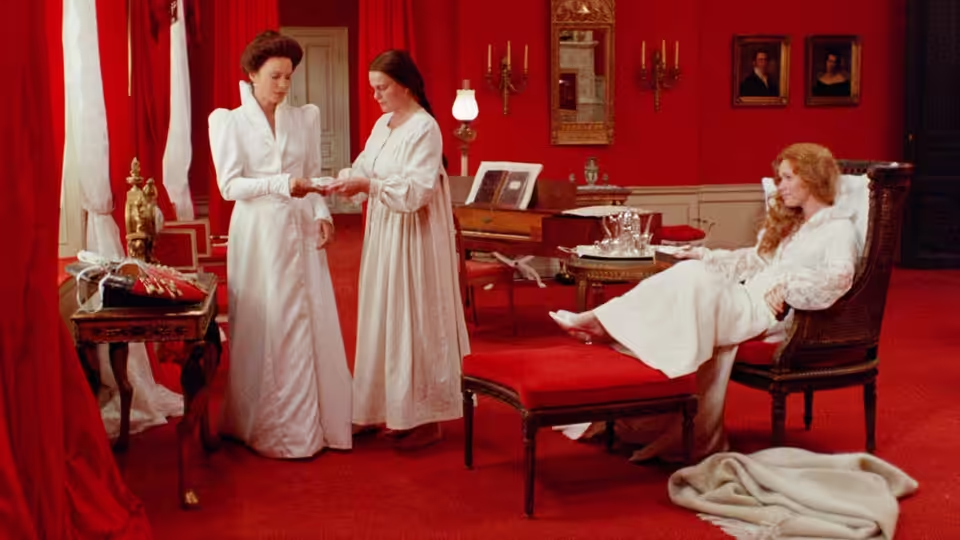
two women in white stand facing each other near a third reclining in a chair
Film review

Cries and Whispers

1972 · Directed by Ingmar Bergman · 1h 35m · MPA R

In a sentenceThe red walls are the least troubling thing about this family gathering

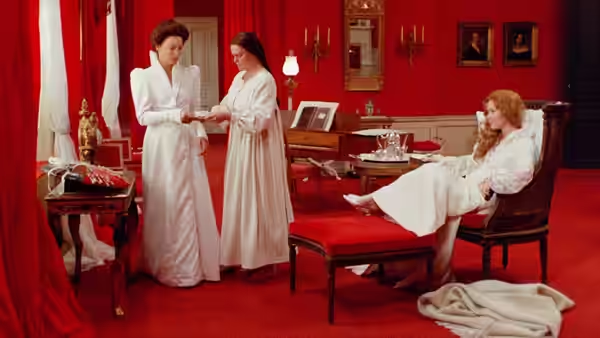
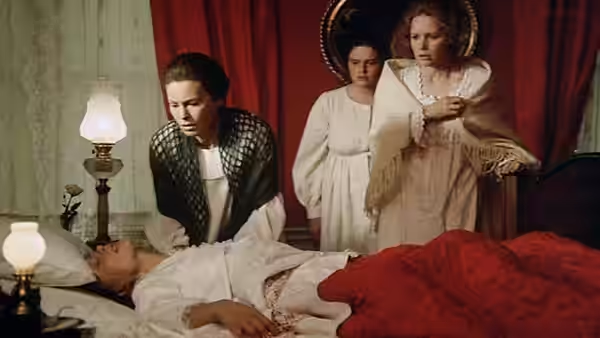
Agnes (Harriet Andersson) is dying in a manor house whose rooms are painted red. Her sisters Maria (Liv Ullmann) and Karin (Ingrid Thulin) attend her alongside the maid Anna (Kari Sylwan), with the women dressed in white against the walls. Agnes needs care and relief from her suffering, but being together offers no easy comfort. The sisters bring their estrangement into the sickroom, while Anna offers a tenderness they struggle to provide. The practical demands of looking after Agnes expose how difficult these women find it to reach one another, even when they are under the same roof.

Plays from YouTube when you press play; nothing loads from them until then.

Fi1m review

Ingmar Bergman makes Cries and Whispers a harrowing study of care that we recommend with a warning about its severity. The four leads give the women more life than their rather schematic roles promise.

Cries and Whispers is a difficult film to sit through, and a fine one, because Ingmar Bergman takes the ordinary obligation to care for somebody and makes us feel how much it can demand. Agnes is dying in a manor house, attended by her sisters Maria and Karin and the maid Anna. The task seems plain enough: stay nearby, offer comfort, bear witness to pain that cannot be removed. Bergman is interested in why even this much can defeat a family.

Harriet Andersson gives Agnes an immediate claim on our attention that makes grand explanations of the film seem beside the point. We were distressed by Agnes’s suffering because Andersson makes her need for comfort so urgent, with no assurance that her family can meet it. The sisters’ presence offers little reassurance when they find tenderness so difficult. Bergman makes the uncertainty of their care almost as painful to watch as the illness itself.

Liv Ullmann as Maria and Ingrid Thulin as Karin make the sisters’ estrangement painful without making it easy to excuse. There is enough recognisable family discomfort in their performances to prevent every failure of tenderness from looking like a special case devised for a grim drama. Kari Sylwan, as Anna, gives the film its clearest example of compassion, and also exposes a weakness in the writing. With the maid so firmly associated with care, and the sisters with their inability to offer it, the distinctions between them can become too tidy.

Sven Nykvist’s cinematography and Marik Vos-Lundh’s production design make the red rooms feel oppressive even without an explanation of the family’s grievances. The white clothes, also designed by Marik Vos-Lundh, stand out against those walls with an insistence that can be tiring; little in the image allows us to forget the suffering. We think the colour works because it makes the house difficult to settle into, keeping the discomfort present even when our attention wanders from the women. It is also where Bergman comes closest to doing too much.

Siv Lundgren’s editing sustains a meditative pace, keeping attention on the women rather than promising relief through incident. At 95 minutes, the film is short enough, but its concentration can make it feel much longer. That is largely right for a drama about the difficulty of remaining with another person’s pain. Still, when the red imagery keeps pressing the same point, we become conscious of how firmly Bergman is directing our response.

Within the family drama, Bergman chooses a particularly severe test of affection: whether it can survive prolonged exposure to helplessness. We recognise the expectation that relatives should somehow know how to help, and the shame when they do not. That gives the film a reach beyond its period rooms, without needing to turn the women into representatives of all human suffering. We would have preferred a little more room for their muddle and a little less certainty about what each represents.

Choose it for an evening when there is time to pay attention and no need to be cheered up. We would not put it on simply because its 95 minutes fit a gap before bed. Allow some quiet afterwards.

Critical consensus AI synthesised

78
Positive
9
Mixed
0
Negative
1

Most critics respond strongly to Bergman’s study of estrangement, repression and mortality, finding its emotional force disturbing but often moving. Praise centres on the dominant red interiors and the cinematography, which make the sisters’ suffering and failed attempts at intimacy feel oppressive and immediate. The reviews also value the contrast between familial bitterness and Anna’s compassion, while the four lead performances draw praise for giving the anguish a recognisable human weight.

The spread is wide despite nine of the ten reviews being positive, with disagreement turning chiefly on whether the imagery deepens the drama or overwhelms it. Time Out admires the visual appeal but finds that form sometimes overshadows content. Slant Magazine supplies the lone negative assessment, arguing that the red symbolism and religious suffering lack depth and that the craftsmanship becomes manipulative; most critics instead find the film’s emotional impact persuasive.

RogerEbert.com
12 February 1973 · Roger Ebert
90*

The film is hypnotic, disturbing and frightening, enveloping viewers in a red membrane of passion and fear. It communicates on a deep level of human feeling through scenes of Anna embracing the dying Agnes and the sisters' failed attempt to connect.

Read the full review →
The New Yorker
30 December 1972 · Pauline Kael
90*

The film has oracular power and feels like a nineteenth-century European masterwork in a twentieth-century art form. It is set in a manor house where a woman dies of cancer, with Bergman dividing the women into schematic roles and achieving a supernal quality through cinematography reminiscent of Munch.

Read the full review →
The New York Times
22 December 1972 · Vincent Canby
90*

Bergman's new film is magnificent, moving and very mysterious, with a focus so sharp it seems seen through fever. It offers an extremely disturbing but ultimately touching study of human communication and the soul searching for love.

Read the full review →
The Times
1 April 2022 · ★★★★☆ · Kevin Maher
90*

The critic finds Bergman at his most brilliant and brutal in this psychodrama about three sisters and emotional repression. The film exposes the lies of polite society through its red interiors and disturbing climax of self-mutilation.

Read the full review →
Empire
1 January 2000 · David Parkinson
75*

The review highlights Bergman's success in crafting an intense study of solitude, disappointment, godlessness and death through the feuding sisters and the compassionate maid Anna. It singles out the dominant red colour scheme and the film's evocation of the soul as a red monster for particular note.

Read the full review →
Los Angeles Times
3 April 2015 · Andy Klein
70*

Bergman came roaring back with this film solidly in the existential/emotional angst mode of his best work. Memories and long-simmering conflicts bubble up in the story of the dying woman attended by her sisters and maid.

Read the full review →

Straight answers AI written, from our review

Is Cries and Whispers worth watching?
Cries and Whispers is worth watching for anyone prepared for a harrowing 95 minutes about caring for the dying, and we scored it 87. Harriet Andersson, Liv Ullmann, Ingrid Thulin and Kari Sylwan give the women more life than their rather schematic roles promise. Choose it for an evening with time to pay attention and no need to be cheered up.
How long is Cries and Whispers, and what is it rated?
Cries and Whispers runs 1h 35m and is rated R by the MPA in the US. It is a drama film.
Where can I watch Cries and Whispers in the US?
Cries and Whispers is streaming on HBO Max, Hulu, The Roku Channel and Amazon Prime Video in the US, and it is also available to rent from Amazon Prime Video from $3.99. It leaves HBO Max on 30 September. Availability is checked daily; the links above go straight to each service.
How violent or frightening is Cries and Whispers, and is it suitable for children?
Cries and Whispers carries an 18 certificate in the UK, and it is not suitable for children. There is little in the way of conventional violence or fright; the distress comes from watching Agnes suffer and her family fail to comfort her, which we found hard to sit through. The squeamish and anyone wanting relief from grief should look elsewhere.
How does Cries and Whispers compare to Tokyo Story?
Cries and Whispers and Tokyo Story are both about how families fail one another in the ordinary business of care, but Bergman's film is far more severe. Ozu keeps his neglect small and his tone gentle, with a pace that needs patience; Bergman puts a dying woman at the centre and makes the failure painful to watch. Ozu's is the easier evening and the more forgiving of its people.
What should I watch after Cries and Whispers?
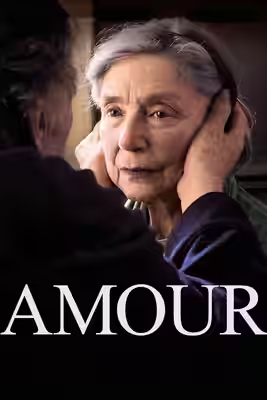
After Cries and Whispers, try Tokyo Story (1953, Fi1m 92): Family obligation measured through small acts of neglect and the patience of ageing parents. Then Amour (2012, Fi1m 88): Care becomes daily labour, with love offering no easy protection against physical decline; and A Woman Under the Influence (1974, Fi1m 86): A household tries to help a suffering woman and makes its own fears visible.

Cast

Awards

Academy Awards, 1974

Nominated
Best Costume Design
Nominated
Best Picture
Won
Best Cinematography

If you liked this, try…

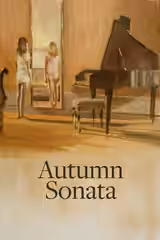
  1. Autumn Sonata (1978) · not reviewed yetAnother family reckoning where an attempted reunion makes old injuries harder to ignore.

  2. Tokyo Story (1953, Fi1m 92)Family obligation measured through small acts of neglect and the patience of ageing parents.

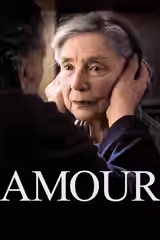
  3. Amour (2012, Fi1m 88)Care becomes daily labour, with love offering no easy protection against physical decline.

  4. A Woman Under the Influence (1974, Fi1m 86)A household tries to help a suffering woman and makes its own fears visible.

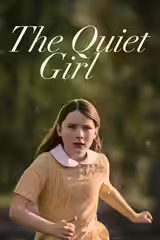
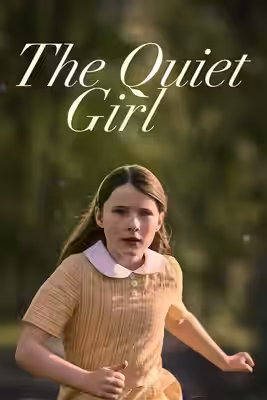
  5. The Quiet Girl (2022, Fi1m 84)A quieter study of care, where ordinary kindness can carry enormous emotional weight.

Free account

Know what to watch tonight

Two lists that know where things are streaming, collections you can share, your own score beside ours, and Discover that remembers what you have seen.

  • Want to see, sorted by what is streaming now
  • Seen, with your score out of ten
  • No adverts, ever