Bergman wrote about faith, marriage and dying as arguments a person might still win, and gave them to people rather than speeches. When the talk runs long the films sag; when he trusts a face, they are among the finest we have reviewed.
Fi1m perspective
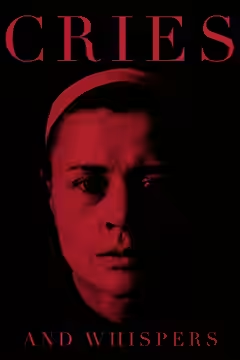
A woman in white stands in a red room and cannot make herself touch her dying sister. A knight puts a question to Death and Death declines to answer it. A husband explains why he is leaving, keeps explaining, and the explanation does more damage than the leaving. Ingmar Bergman's people talk, what they say is rarely what they mean, and the difference between the two is the drama. "I write scripts to serve as skeletons awaiting the flesh and sinew of images," he said, and for twenty films the flesh was Sven Nykvist's.
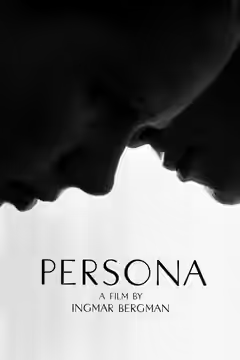
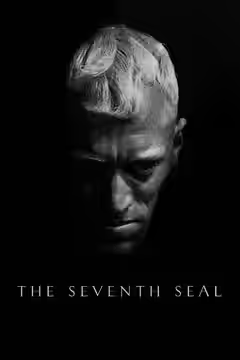
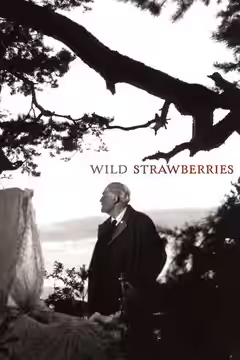
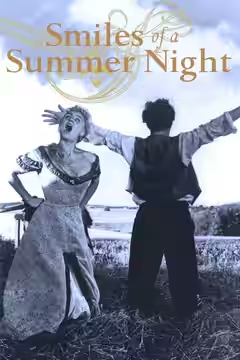
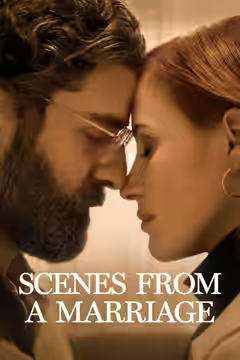
He came out of theatre and screenwriting in the early 1940s and directed his first feature in 1946, but the films that travelled came in the middle of the next decade: Smiles of a Summer Night (1955), The Seventh Seal (1957), Wild Strawberries (1957). Then the rooms got smaller. Through the 1960s and 1970s he wrote chamber pieces for a company he knew by heart, Liv Ullmann, Erland Josephson and Bibi Andersson among them, with Nykvist lighting them: Persona (1966), Cries and Whispers (1972), Scenes from a Marriage (1974). Fanny and Alexander (1982) was presented as his goodbye to cinemas, and he went on working in television and theatre until his death in 2007.
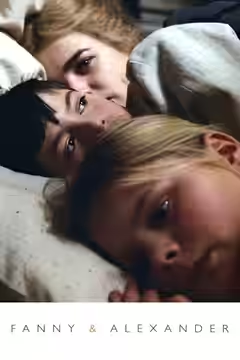
What he could do that few writers of dialogue can is make an argument about God feel like something happening to a body. The Seventh Seal sets up the chess game and then hands long stretches to Gunnar Björnstrand's squire and Nils Poppe's juggler, whose business is getting through the day, and the film is better for their company. Cries and Whispers takes the plain duty of sitting with a dying woman and shows a family failing at it; Harriet Andersson makes Agnes's need so urgent that the film's larger meanings hardly matter. And Fanny and Alexander, the warmest thing he wrote, contains in Jan Malmsjö's bishop the figure that frightened us most in all his work. A child cannot argue with certainty, and Bergman refuses to hand Alexander a speech that would win.
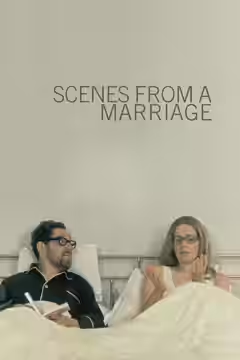
The faults are a writer's faults. The Seventh Seal keeps worrying at a theological point after the scene has made it. Scenes from a Marriage lets a quarrel run past the moment we understood it, and at 169 minutes there are several such quarrels. The sisters in Cries and Whispers are drawn to a plan, and the red walls press the same note until we feel his hand on our shoulder. Fanny and Alexander gives Fanny far less of the film than Alexander. Critics have called him cold and joyless; we do not think so, since the films are full of appetite and coarse jokes, but the habit of saying a thing twice is real.
Start with Fanny and Alexander, which is long and does not feel it, with the evening cleared. Save Scenes from a Marriage for a night when you are on good terms with whoever is on the sofa beside you.
Biography
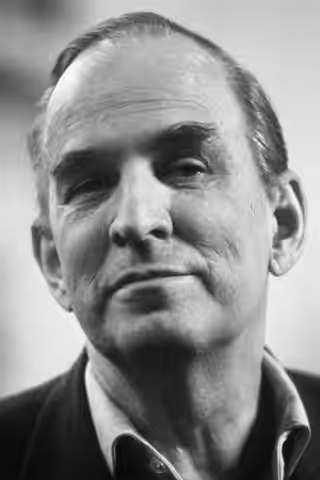
Ingmar Bergman was a Swedish film and theatre director and screenwriter. He was born Ernst Ingmar Bergman on 14 July 1918 in Uppsala, Sweden, and died on 30 July 2007 on the island of Fårö.
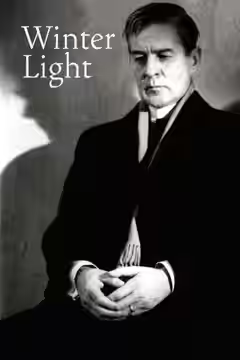
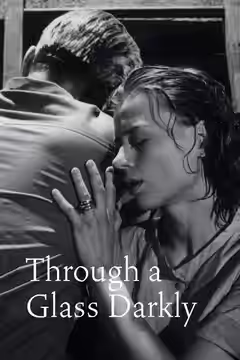
He directed and wrote the screenplay for The Seventh Seal (1957). Other films include Wild Strawberries (1957), Through a Glass Darkly (1961), Winter Light (1963), Persona (1966), Cries and Whispers (1972), Autumn Sonata (1978) and Fanny and Alexander (1982). He directed more than 170 stage productions and held positions as leading director at the Royal Dramatic Theatre in Stockholm and the Residenztheater in Munich.
Bergman collaborated repeatedly with cinematographers Gunnar Fischer and Sven Nykvist, and with actors including Max von Sydow, Liv Ullmann, Bibi Andersson, Gunnar Björnstrand and Erland Josephson.