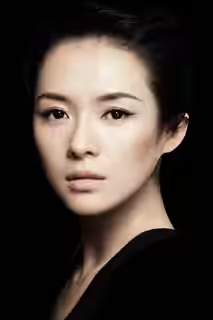
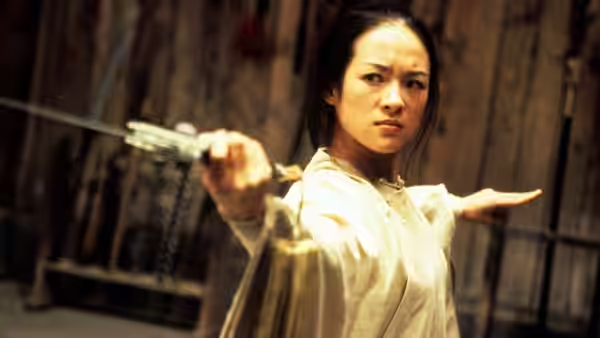
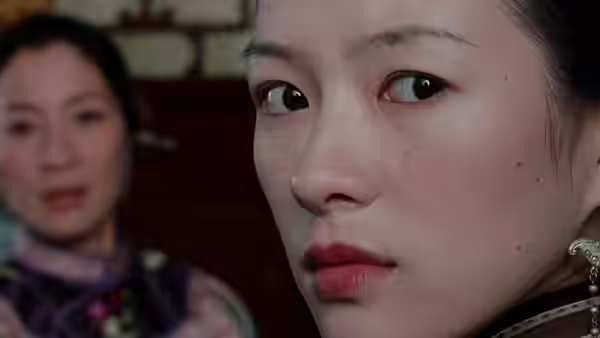
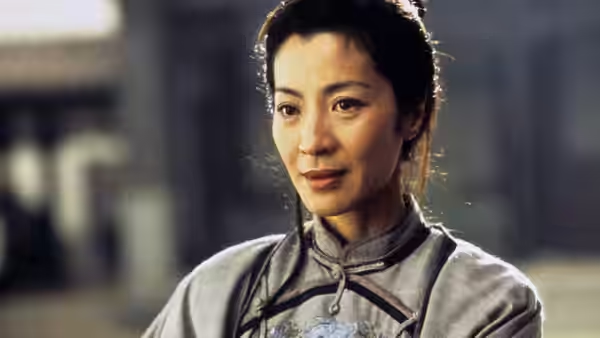
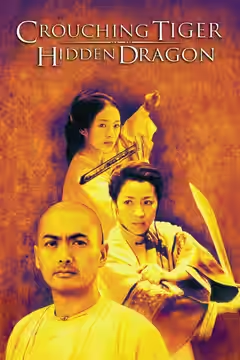
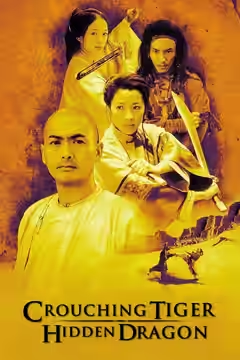
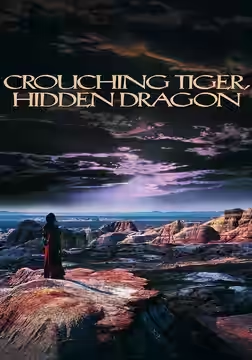
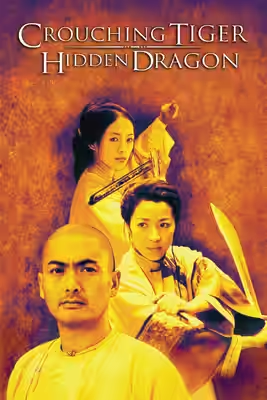
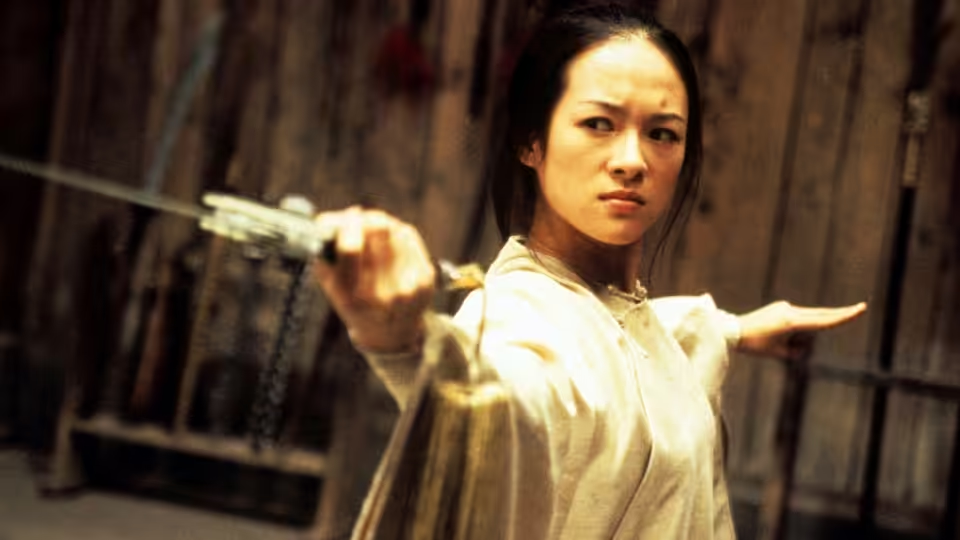
Jen (Zhang Ziyi) extends a sword forward in a wooden chamber
Film review

Crouching Tiger, Hidden Dragon

2000 · Directed by Ang Lee · 2h 00m · MPA PG-13

In a sentenceAll that flying, and telling someone how you feel is still the difficult part

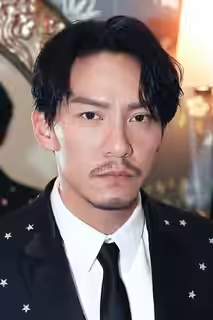
Li Mu Bai (Chow Yun-Fat), Yu Shu Lien (Michelle Yeoh) and Jen (Zhang Ziyi) are drawn into a martial-arts adventure shaped by romantic longing and the wish for freedom. Fighting offers one way to act on desires that social convention makes difficult to express. As romance and conflict overlap, questions of discipline, independence and restraint run through their encounters. Chang Chen plays Lo, and Cheng Pei-pei plays Jade Fox. Directed by Ang Lee, the film combines action, fantasy and romance, with combat that takes its participants beyond the limits of ordinary movement.

Plays from YouTube when you press play; nothing loads from them until then.

Fi1m review

Ang Lee’s martial-arts romance is generous with action, humour and feeling, and we recommend it well beyond the genre’s regulars. A few slow stretches are a small price for performances this persuasive and combat this clear.

Crouching Tiger, Hidden Dragon is a martial-arts romance that trusts us to care about what happens between the fights. Ang Lee gives longing, embarrassment and good manners the attention another action film might reserve for preparing its next confrontation. We recommend it warmly, including to those who usually find airborne combat a reason to leave. Its physical extravagance is easy to accept because the people taking part have recognisable feelings, including feelings they would rather keep out of sight.

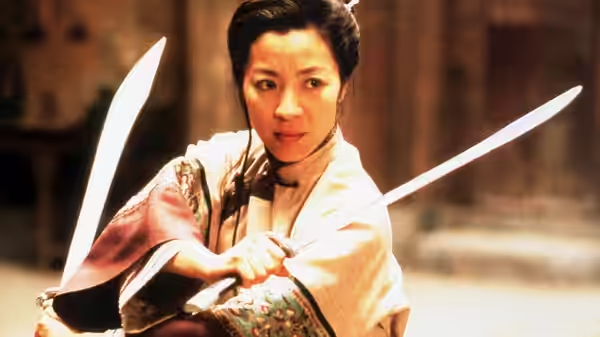
Chow Yun-Fat’s Li Mu Bai and Michelle Yeoh’s Yu Shu Lien give the film a welcome steadiness. Both make the effort of remaining composed seem costly, and Lee is patient enough to let us notice it. We were moved by how much affection they could suggest without making an open declaration. The performances make that reticence understandable, so the pauses between bouts of action remain worth watching rather than simply delaying the next display.

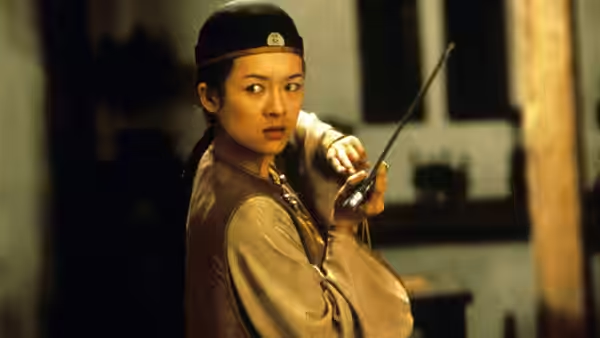
Zhang Ziyi’s Jen brings a less settled energy, and the performance is funny partly because she makes impatience so difficult to disguise. She can be thrilling without becoming automatically admirable. Lee takes the wish for freedom seriously while allowing vanity and unruliness to complicate it, which keeps the character from becoming a lesson in independence. The screenplay, by Wang Huiling, Tsai Kuo-Jung and James Schamus, allows its women to be difficult, forceful and emotionally confused without treating those qualities as a problem to be corrected.

Peter Pau Tak-Hai’s cinematography makes the scale of the landscapes count without letting the people disappear into them. In the wire-work passages, the pleasure comes from seeing a body move through space and having time to enjoy the improbable distance it covers. Tim Squyres’s editing preserves that pleasure; the movement remains readable, and a fight can change mood without becoming a confusion of glimpses. We caught ourselves smiling at the audacity of the flying, which Lee presents without an apologetic wink.

Timothy Yip Gam-Tim, responsible for both production and costume design, gives the film a formality that suits its concern with appearances. His costumes help the performers look composed even when their behaviour threatens to give them away; the elegance has a dramatic use. Tan Dun’s music keeps the romance present when the fighting threatens to command all our attention. It encourages feeling without making the quieter performances seem underpowered, and helps the changes of pace feel like parts of the same story.

The pace does slacken. At 120 minutes, the film occasionally spends longer sustaining a mood than the scene needs, and Squyres’s cutting cannot always make the romantic pauses feel spontaneous. We sometimes understand the hesitation before Lee allows the scene to move on. The humour helps, as does his willingness to enjoy the melodrama without looking down on it. He keeps the genre’s delight in improbable feats, giving the fights room to be playful even when the feelings around them are serious.

Allow it the full two hours, and resist treating the quieter exchanges as an interval. Lee makes the manners worth attending to, and the fighting is clear enough that watching closely brings its own pleasure. See it with someone who thinks they have no use for a martial-arts film.
Critical consensus AI synthesised

89
Positive
9
Mixed
0
Negative
0

The consensus is strongly positive, with praise centred on how Ang Lee brings romantic feeling into the martial arts action. Most critics admire the grace and invention of the fight choreography, treating the combat as part of the characters’ emotional lives rather than a break from them. The landscape photography and visual craft also draw praise, while Zhang Ziyi receives particular attention among a cast admired for both restraint and physical energy.

The reviews differ more in emphasis than in judgement, and the supplied summaries contain no substantial objections. The New York Times stresses the comedy of manners, intrigue and playful silliness; Variety finds intelligence and humour within the melodrama. Elsewhere, the emphasis falls on frustrated love, the handling of genre conventions and the connection between action and character. Enthusiasm varies in degree, but there is no clear dissent from the film’s combination of romance and combat.

RogerEbert.com
22 December 2000 · ★★★★/4 · Roger Ebert
100

The critic praises the film as the most exhilarating martial arts movie seen, highlighting its physical grace, depth, poetry in the story, and the human elements especially the unrealized love between characters.

Read the full review →
Empire
1 January 2000 · Ian Nathan
95*

The critic praises Ang Lee's martial arts epic as a transcendent blend of dazzling wire-work action sequences and genuine emotional depth in its characters' romantic entanglements. It singles out the stunning lead performance by Zhang Ziyi and the film's visual craft for particular acclaim.

Read the full review →
The Guardian
5 January 2001 · Peter Bradshaw
90*

The critic calls the film a masterpiece and a fantastic start to the year, praising its electrifying action sequences and sweet romantic elements wrapped in fairy-tale innocence. He highlights the sublime fight choreography and the film's reconnection of the martial arts genre with decorum and romance.

Read the full review →
Total Film
5 January 2001
90*

The review hails the film as the first 'martial arthouse' movie that successfully merges high-flying kung fu action with arthouse sensibilities without compromise. It particularly praises the seamless integration of fight scenes into character development and the breathtaking cinematography of China's landscapes.

Read the full review →
The Hollywood Reporter
17 May 2000 · festival review · Michael Rechtshaffen
85*

Ang Lee's martial-arts epic delivers jaw-droppingly exhilarating action sequences and a sweeping romantic story with a strong feminist backbone. The cast, especially Zhang Ziyi, brings both quiet beauty and considerable firepower to the film.

Read the full review →
The New York Times
8 December 2000 · Elvis Mitchell
85*

The critic describes it as a soulful action film that is more fun than it has a right to be, noting how Ang Lee stages it like a comedy of manners with romance, intrigue, and rousing silliness.

Read the full review →

Straight answers AI written, from our review

Is Crouching Tiger, Hidden Dragon worth watching?
Crouching Tiger, Hidden Dragon is worth watching, and we scored it 90, which means we would recommend it to a stranger. Ang Lee's martial-arts romance gives longing and good manners as much care as its airborne combat, and the fights stay clear enough to follow. The pace slackens in places, but the quieter exchanges reward attention.
How long is Crouching Tiger, Hidden Dragon, and what is it rated?
Crouching Tiger, Hidden Dragon runs 2h 00m and is rated PG-13 by the MPA in the US. It is an adventure and drama film.
Where can I watch Crouching Tiger, Hidden Dragon in the US?
Crouching Tiger, Hidden Dragon is streaming on Amazon Prime Video in the US, and it is also available to rent from Amazon Prime Video from $3.99. Availability is checked daily; the links above go straight to each service.
How violent or frightening is Crouching Tiger, Hidden Dragon, and is it suitable for children?
Crouching Tiger, Hidden Dragon carries a UK 12 certificate, so the violence is martial-arts swordplay rather than anything graphic or frightening. The fights are stylised, often playful, and presented for their movement rather than their injuries. Children under twelve may find the romantic pauses slow; teenagers and squeamish adults should have no trouble with it.
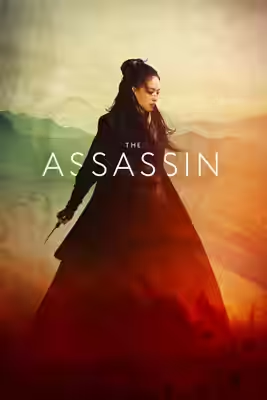
How does Crouching Tiger, Hidden Dragon compare to The Assassin?
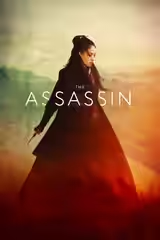
Crouching Tiger, Hidden Dragon is the more generous and accessible of the two, with frequent, clearly shot fights and a romance that is easy to follow. The Assassin is slower and far quieter, with almost no combat and a plot that is hard to track. We rate them both highly; Lee's film suits a wider audience, while Hou's rewards patience.
What should I watch after Crouching Tiger, Hidden Dragon?
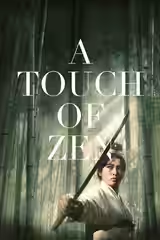
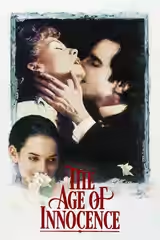
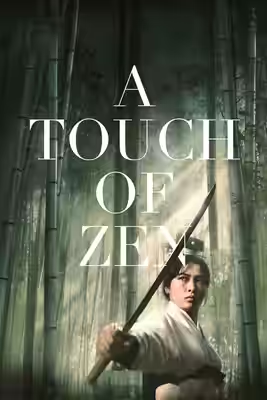
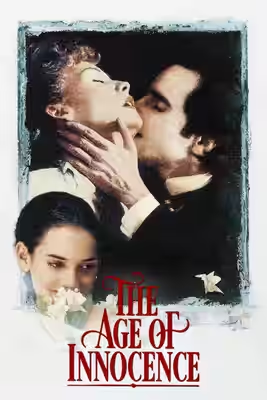
After Crouching Tiger, Hidden Dragon, try A Touch of Zen (1971, Fi1m 86): For another martial-arts adventure that gives contemplation as much room as combat. Then The Assassin (2015, Fi1m 82): For patient swordplay and a heroine whose restraint makes every decision matter; and The Age of Innocence (1993, Fi1m 86): For another society where good manners make honest declarations almost impossible.

Cast

Awards

Academy Awards, 2001

Nominated
Best Cinematography
Nominated
Best Costume Design
Nominated
Best Director
Nominated
Best Film Editing
Nominated
Best Original Score
Nominated
Best Picture
Nominated
Best Writing, Adapted Screenplay
Won
Best International Feature Film

Hugo Awards, 2001

Won
Best Dramatic Presentation

International Submission to the Academy Awards, 2001

Nominated
International Submission to the Academy Awards

European Film Award for Best Non-European Film, 2000

Nominated
European Film Award for Best Non-European Film

Golden Horse Award for Best Feature Film, 2000

Won
Golden Horse Award for Best Feature Film

If you liked this, try…

  1. A Touch of Zen (1971, Fi1m 86)For another martial-arts adventure that gives contemplation as much room as combat.

  2. The Assassin (2015, Fi1m 82)For patient swordplay and a heroine whose restraint makes every decision matter.

  3. The Age of Innocence (1993, Fi1m 86)For another society where good manners make honest declarations almost impossible.

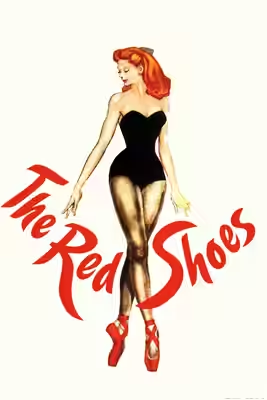
  4. The Red Shoes (1948, Fi1m 92)For movement, colour and the painful demands of dedicating yourself to an art.

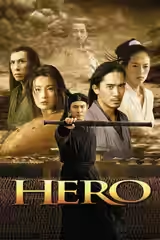
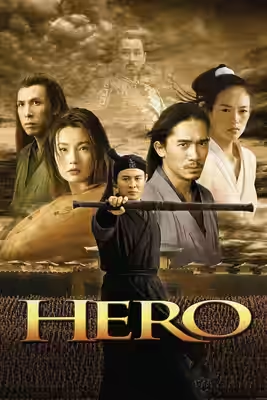
  5. Hero (2002, Fi1m 77)For colour-led combat and arguments about what a warrior owes to others.

Free account

Know what to watch tonight

Two lists that know where things are streaming, collections you can share, your own score beside ours, and Discover that remembers what you have seen.

  • Want to see, sorted by what is streaming now
  • Seen, with your score out of ten
  • No adverts, ever