Kevin Costner’s patient Western earns its scale through character, landscape and a willingness to listen. Its view of Sioux life is too reassuring, but the warmth and spectacle make the long journey worthwhile.
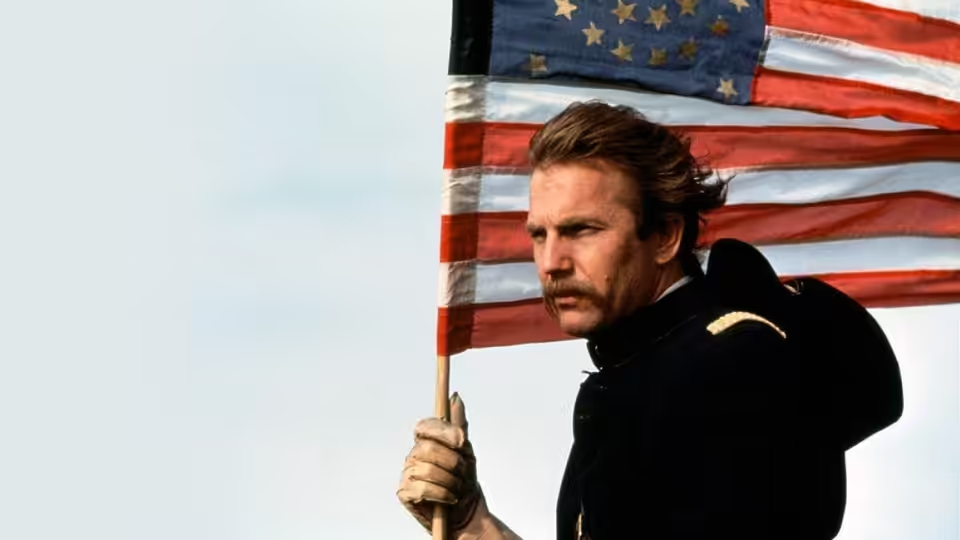
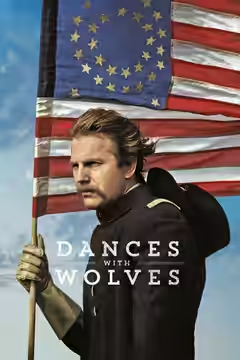
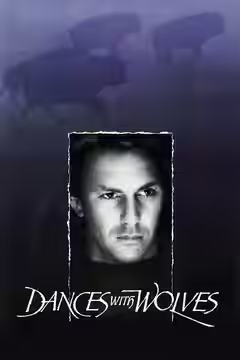
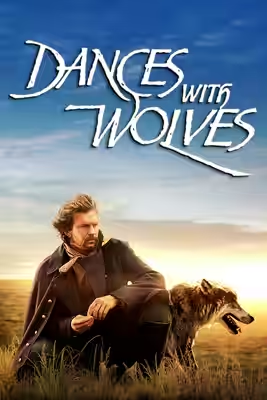
Dances with Wolves is a generous, absorbing Western whose sincerity survives some fairly simple thinking about its hero. Kevin Costner directs and plays Lieutenant Dunbar, a Union soldier drawn into Sioux life on the Dakota plains. Michael Blake’s screenplay lets that growing interest develop slowly, giving us time to share it. We recommend it with a reservation: the film is so pleased by Dunbar’s willingness to learn that it does not always ask much else of him.
Costner is well suited to such a watchful part. His unforced screen presence makes curiosity credible, and he avoids acting as though every new experience ought to announce a personal revelation. Graham Greene’s Kicking Bird and Rodney A. Grant’s Wind In His Hair help give the Sioux community distinct personalities; the film works because we become interested in the people Dunbar meets. Mary McDonnell, as Stands With A Fist, supplies an emotional directness that prevents the warmth from settling into mere good manners.
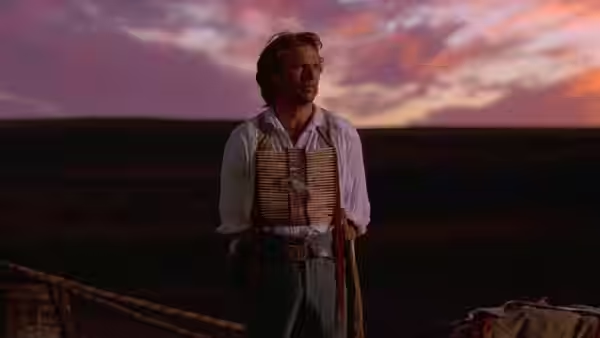
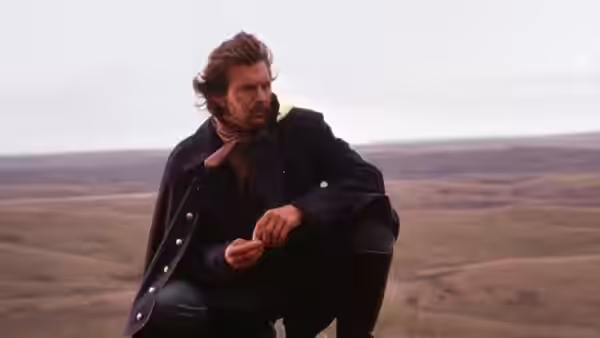
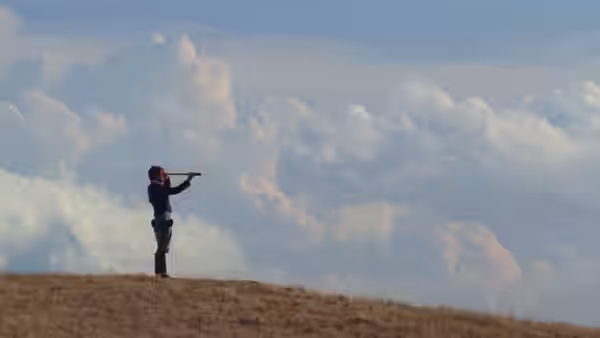
Dean Semler’s cinematography gives the Dakota plains the space they need. His wide views allow us time to look across the country, so Dunbar’s growing fascination with it becomes something we can share. The buffalo hunt shows how well Costner can organise action within those open spaces. We were thrilled by it: the movement across the plains makes the danger feel immediate, even within a film so willing to take its time.
Jeffrey Beecroft’s production design also matters to the film’s quieter success. The attention given to the Sioux community’s physical surroundings helps make daily life worth watching, and supports the actors when there is no grand action to carry a scene. John Barry’s score is less restrained, giving the landscape and Dunbar’s growing attachment a broad emotional emphasis. It is affecting music, though there are passages when we would prefer to recognise the feeling without quite so much help.
Editors Neil Travis, William Hoy, Steve Potter and Chip Masamitsu let the film settle into its long stretches of discovery. At 181 minutes, it makes a considerable demand on an evening, but the pace is usually part of the pleasure. The narration is less necessary: Dunbar’s interest is clear enough in Costner’s performance and in the attention paid to those around him. Explaining that interest can make the film feel anxious that we might not have noticed what a good man he is.
The larger reservation concerns the writing. Blake and Costner give Sioux life affection and detail, but their admiration sometimes makes the people seem less complicated than they should. Dunbar’s discovery remains the central concern, so the film’s sympathy does not quite free it from the Western’s habit of making a white man’s education everybody else’s business. The performances do much to soften that limitation, particularly Greene’s, but they cannot remove it.
Anyone looking for a Western driven chiefly by confrontation may find this one’s priorities frustrating. Costner is willing to let getting acquainted occupy the space another film would fill with threats, and that patience is what we value most here. The sentiment needs watching, but it need not spoil the pleasure of spending time with these characters. Set aside the full evening; this is poor material for a quick watch before bed.