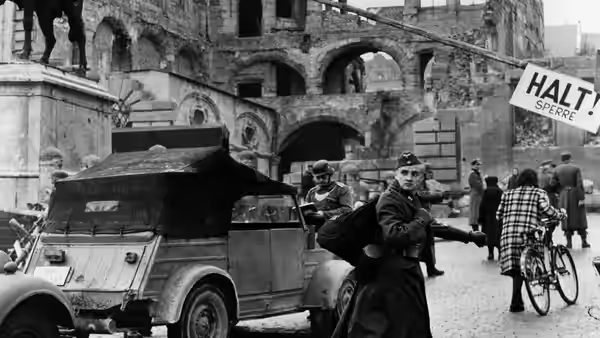
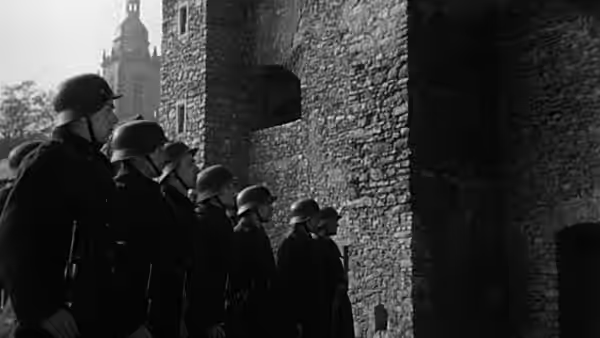
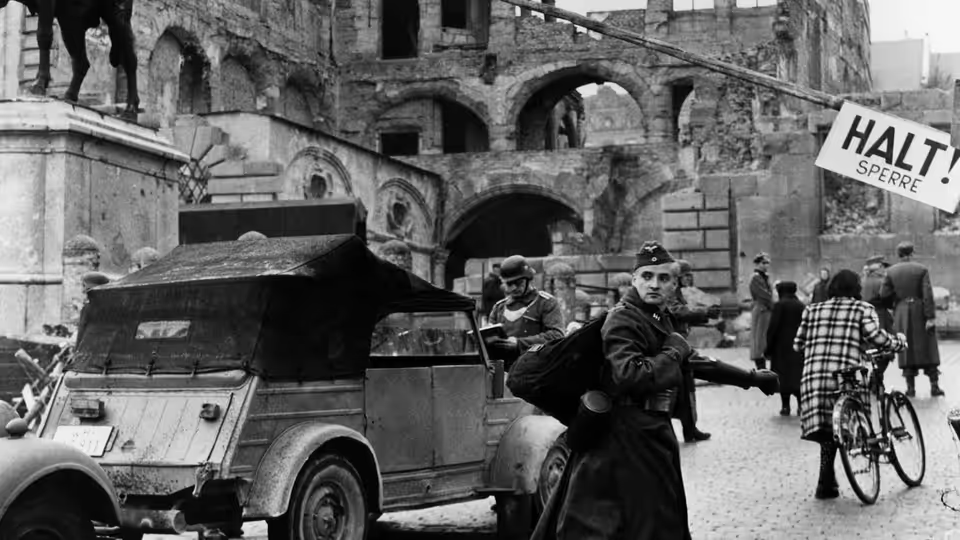
A uniformed soldier points a gun near a car in a ruined city street
Film review

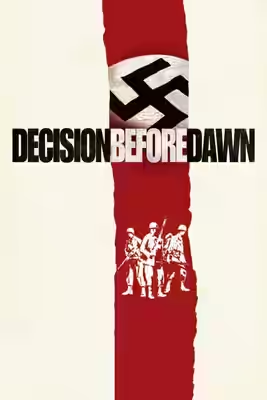
Decision Before Dawn

1951 · Directed by Anatole Litvak · 1h 59m · MPA NR

In a sentenceA German medic spies on his own army for the Americans and is politer to everyone than they deserve

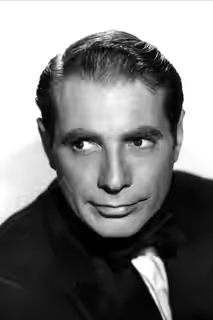
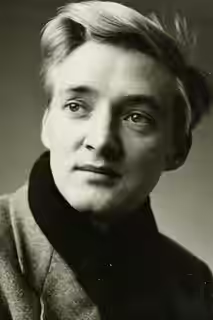
Germany, the last weeks of the Second World War. An American intelligence unit run by Col. Devlin (Gary Merrill) and Lt. Dick Rennick (Richard Basehart) is recruiting German prisoners to go back across their own lines as spies. In the compound, Cpl. Karl Maurer (Oskar Werner), a medic nicknamed Happy, watches a fellow prisoner, Paul Richter (Robert Freitag), killed by the others for speaking against the war, and volunteers. So does Sgt. Rudolf Barth (Hans Christian Blech), known as Tiger, who will work for anyone paying. After training at a requisitioned house in France, Happy is sent back alone into Germany under a false name, carrying a cover story through bombed towns full of people hunting deserters.

Plays from YouTube when you press play; nothing loads from them until then.

Fi1m review

Anatole Litvak’s spy film gives its heart to a German corporal and its dialogue to the Americans, and only one of those decisions was right. Oskar Werner, shot among towns still half rubble, is worth the whole evening.

Anatole Litvak’s spy film is about the last weeks of a war and it is not on the side you expect. It belongs to a German corporal called Karl Maurer, a medic his captors nickname Happy, who agrees to go back behind his own lines and report what he finds. Peter Viertel’s screenplay, from George Howe’s novel, asks one thing about him: is a man who betrays a bad cause a traitor? It never answers in words, which is to its credit. It answers in Oskar Werner’s face.

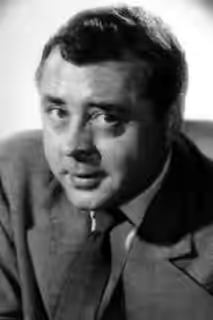
The first half hour is spent on the American side, in the prisoner compound and at the training house in France. Col. Devlin (Gary Merrill) runs the scheme and believes in it. Lt. Rennick (Richard Basehart) does not. Sgt. Barth (Hans Christian Blech), called Tiger, is a spiv with a uniform on, and Blech gives him a grin that never reaches his eyes. Happy volunteers after watching what the other prisoners do to a man who spoke his mind, and Werner lets us see that the decision costs him more than it would cost Tiger to change his socks.

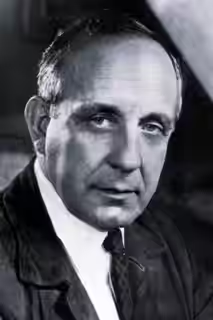
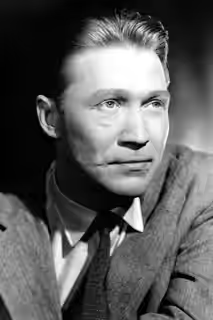
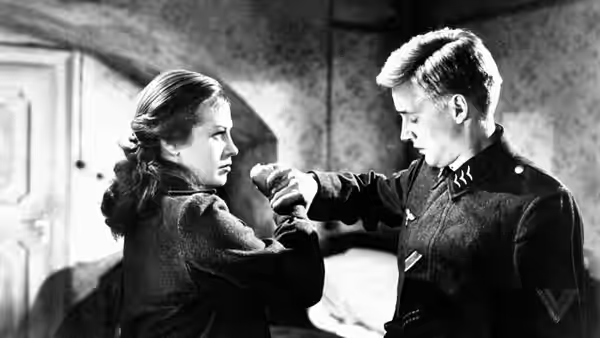
Werner is quietly remarkable. He plays a man who has never been sure of anything and is now required to be sure of a false name, a forged pass and a story about where his unit went. The performance is in the half-second before he answers a question, and in the way he thanks people who could have him shot. Hildegard Knef, as Hilde, a woman in a wrecked town with nothing left to lose, gives him one scene of tired kindness the film badly needs. O.E. Hasse’s Colonel von Ecker, who takes Happy onto his staff, is an old soldier who knows the war is lost and has decided not to notice.

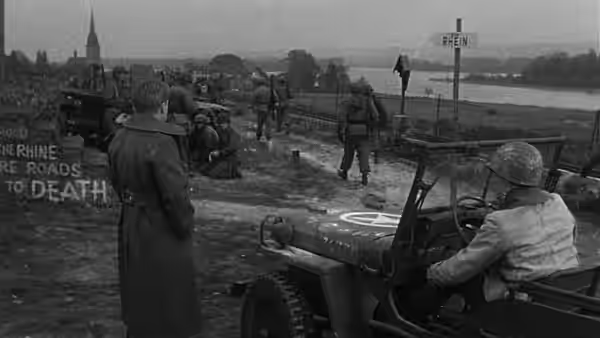
Franz Planer shot it on location in Germany, and the ruins are not sets. Streets end in piles of brick, walls stand with nothing behind them, and the people queueing for trains and bread are the people who lived there. He puts Werner in medium shot before a shattered station and lets the background do the work, and the film has a plainness few war pictures went looking for. Dorothy Spencer cuts the middle hour tight, one town, one checkpoint, one train, and the 119 minutes never sag once Happy is on the ground. Franz Waxman’s score is loud in the American scenes and wisely thin in the German ones, where a footstep in a corridor does more than an orchestra could.

The flaws are all on the American side. Basehart is saddled with the narration and with the film’s conscience, and he delivers both as if reading them into the record. Merrill explains the theme in case we missed it. The French interlude with Monique (Dominique Blanchar) is ten minutes of soft-lit romance the film has no use for. The last act, which we will not describe, leans on a coincidence or two the first ninety minutes had not needed.

Here is what got us. For most of the middle hour we were as tense as we have been at any spy film, and the reason is one supporting actor. Wilfried Seyferth plays Scholtz, an SS man Happy falls in with on the road, drunk, friendly, generous with his cigarettes and never quite gone. Every time the camera found him at the edge of the frame, smiling, our stomach dropped. Seyferth never raises his voice, and he does not have to. Helene Thimig, as the landlady Fräulein Schneide, adds a second kind of fear in one scene at a door.

Litvak had made The Snake Pit (1948) and Sorry, Wrong Number (1948), two films about nerves, and this is the same skill with an army around it. What was unusual then, and still is: the Germans are played by German actors and allowed to be people, frightened, tired, decent, rotten, in about the proportions you would find anywhere. Most critics have liked it and we like it a little more than they do. Forgive the Americans their speeches, sit through the French house, and wait for Werner to be handed his papers.
Critical consensus AI synthesised

2 of 6
Positive
2
Mixed
0
Negative
0

With only 2 reviews in so far, the picture is thin but agreeable. Both critics are positive, and both settle on the same things: the sense of reality that comes from shooting in German locations with largely unfamiliar faces, and Oskar Werner’s careful, sympathetic lead as a prisoner turned spy. The New York Times reads it as a stirring undercover drama that also shows wartime Germany coming apart, and singles out Hans Christian Blech in support; Variety credits the semi-documentary approach and finds Richard Basehart and Gary Merrill solid. Neither raises a serious reservation, so there is nothing yet to weigh against the praise.

The New York Times
22 December 1951 · Bosley Crowther
75*

The critic finds the film a stirring undercover spy drama that also offers a clear view of wartime Germany and moral collapse. He singles out the strong performances, especially Oskar Werner as the tentative but decent hero and Hans Christian Blech in a key supporting role.

Read the full review →
Variety
31 December 1950 · ** · Variety Staff
70*

The review praises the film's strong sense of reality achieved through semi-documentary style, unknown actors and authentic German locations. It highlights Oskar Werner's sensitive lead performance as a prisoner-turned-spy and the solid supporting turns by Richard Basehart and Gary Merrill.

Read the full review →

Straight answers AI written, from our review

Is Decision Before Dawn worth watching?
Decision Before Dawn is worth watching for anyone who likes a spy film built on nerves rather than gunfire, and we scored it 79. Oskar Werner, as a German medic sent back behind his own lines, is the reason to sit down, shot among real ruins by Franz Planer. The American scenes are stiff and over-explained, so be patient with the first half hour.
How long is Decision Before Dawn, and what is it rated?
Decision Before Dawn runs 1h 59m and is rated NR by the MPA in the US. It is a war and action film.
Where can I watch Decision Before Dawn in the US?
Decision Before Dawn is available to rent from Amazon Prime Video and Apple TV from $3.99. Availability is checked daily; the links above go straight to each service.
How violent or frightening is Decision Before Dawn, and is it suitable for children?
Decision Before Dawn carries no UK certificate and is unrated in the US, so judge it by its contents: a war film in which a prisoner is killed by his fellow captives early on and the middle hour is sustained, quiet dread rather than combat. There is little on screen to make the squeamish look away. Younger children would find it slow and its fear too adult to follow.
Is Decision Before Dawn based on a true story or a book?
Decision Before Dawn is based on a novel by George Howe, adapted for the screen by Peter Viertel. Our review does not measure how closely the film follows the book, and nothing in the facts we have marks it as a true story. You need not have read Howe to follow it; the film asks its one question, whether betraying a bad cause makes a man a traitor, and answers through Werner's face.

Cast

Awards

Academy Awards, 1952

Nominated
Best Film Editing
Nominated
Best Picture

If you liked this, try…

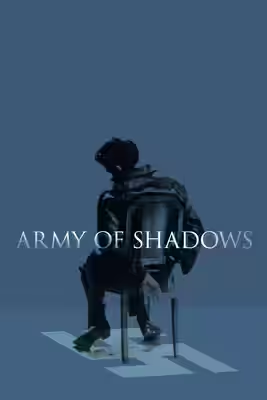
  1. Army of Shadows (1969) · not reviewed yetMelville’s Resistance film: the same patience, the same fear of the friendly stranger.

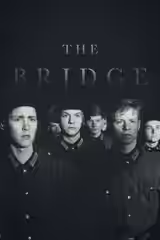
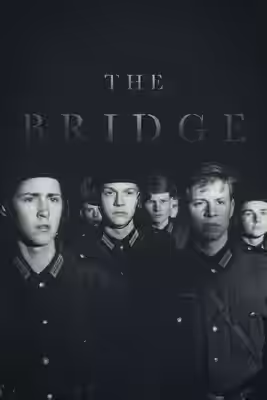
  2. The Bridge (1959) · not reviewed yetGerman schoolboys defend a bridge nobody needs in the war’s last week.

  3. The Cranes Are Flying (1957, Fi1m 87)The Soviet home front, shot with a camera that will not stand still.

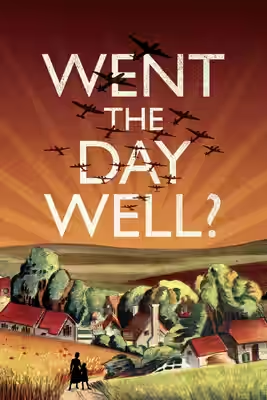
  4. Went the Day Well? (1942) · not reviewed yetAn English village finds the enemy in its own pub; brisk and unsentimental.

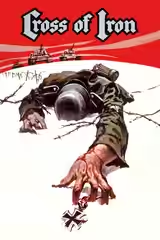
  5. Cross of Iron (1977) · not reviewed yetPeckinpah’s Eastern Front, seen entirely from the German trench.

Free account

Know what to watch tonight

Two lists that know where things are streaming, collections you can share, your own score beside ours, and Discover that remembers what you have seen.

  • Want to see, sorted by what is streaming now
  • Seen, with your score out of ten
  • No adverts, ever